Scientists have identified a distinctive pattern of proteins circulating in the blood that appears to be linked to healthy aging, a finding that could eventually give doctors a way to assess how well a person is aging long before chronic diseases take hold. The work points to a so-called protein signature — a measurable set of biological markers — that may distinguish people who remain healthy into later life from those who develop age-related conditions earlier.
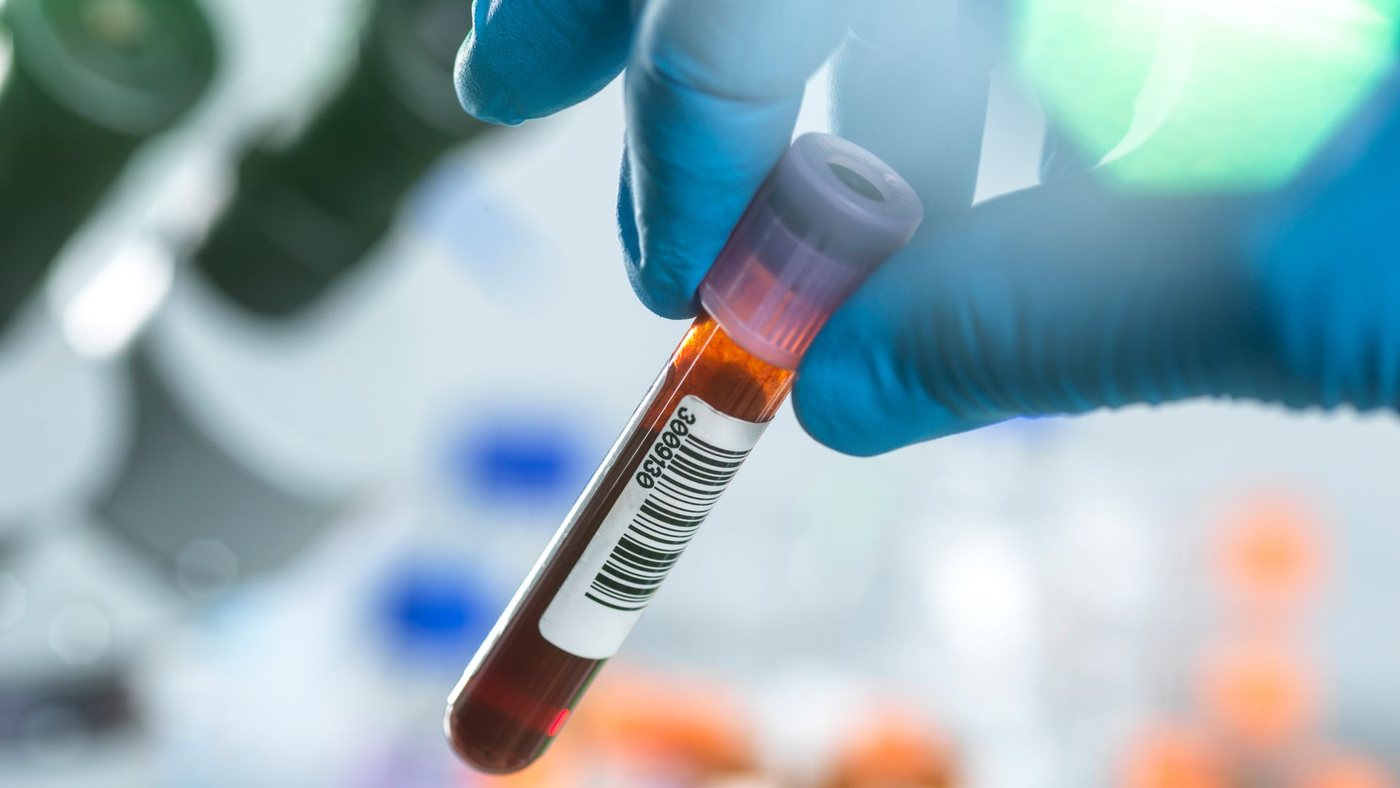
The research adds to a growing effort in medicine to move beyond treating disease after it appears and toward detecting the biological changes that precede it. Proteins are the workhorse molecules of the body, carrying out instructions from genes and reflecting the activity of organs, the immune system and metabolism. Because they can be sampled through a routine blood draw, they are attractive candidates for practical screening tools.
According to the findings, the protein pattern was associated with healthy aging rather than simply with chronological age. That distinction matters: two people born in the same year can age very differently at the biological level, and a marker that captures that difference could help identify who is most at risk of decline and who might benefit most from preventive care.
The study does not yet establish that the signature causes healthy aging or that it can be used clinically to predict an individual's future. Researchers caution that more work is needed to confirm the pattern in larger and more diverse groups, to understand how it changes over time, and to determine whether it holds up across different populations and health conditions.
Even so, the results fit a broader trend in biomedical research, where scientists are searching for molecular clues in blood that reflect the cumulative effects of genetics, lifestyle, environment and disease. Similar efforts have focused on other biomarkers, including measures of inflammation, metabolism and cellular aging, in hopes of building reliable tools for prevention.
If the protein signature is validated, it could one day support routine health assessments, help guide lifestyle interventions and speed the testing of treatments aimed at extending the healthy years of life. For now, the finding remains an early but promising signal that the blood may carry readable information about how well a person is aging.
11