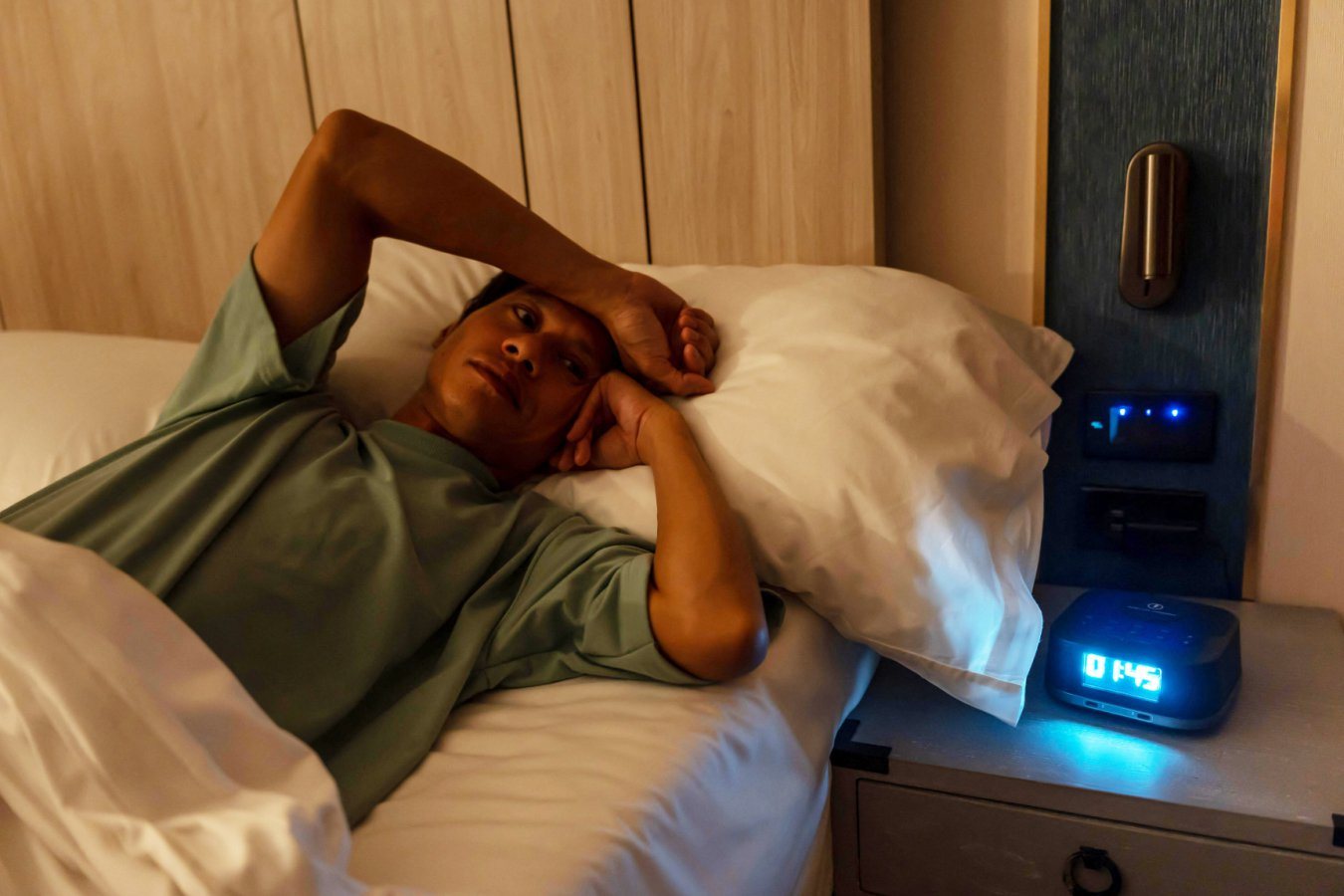
Roughly one in four cases of severe, recurrent depression may be driven by a disrupted body clock, according to a large study of more than 10,000 people in Australia. The researchers describe the condition as a distinct subtype, which they call circadian depression, that responds poorly to standard antidepressants and may instead be eased by treatments that reset the body's internal timing.
The team, led by Ian Hickie at the University of Sydney, asked participants with severe, recurrent depression to complete surveys about their sleep patterns and other characteristics, including whether their symptoms changed with the seasons. Participants also provided saliva samples for DNA analysis. About 23 percent met the criteria for circadian depression, meaning they showed at least three of six signs of body clock dysregulation: being an evening type, going to sleep later than most people, feeling very tired on waking regardless of how long they slept, sleeping more during depressive episodes, sleeping in late on non-work days, and experiencing strong seasonal shifts in mood, energy, sleep, and appetite.
«It's not only about the quantity or the amount of sleep, it's really about the rhythm and the regularity of sleep,» said team member Emiliana Tonini, also at the University of Sydney. Hickie said the coordination of the body's clocks underpins mood, metabolism, concentration, and the sleep-wake cycle. When those rhythms are well aligned, people wake with energy; when they are off, he said, they feel jet-lagged all the time, tired and exhausted, gain weight, cannot concentrate, sleep poorly, and behave differently.
Those with circadian depression tended to have more severe symptoms than those with non-circadian depression, including more suicidal thoughts. They also developed symptoms at an earlier age, with an average onset of 18 compared with 23 in the non-circadian group. The study found that body clock dysregulation and the resulting mood disturbances may have genetic roots: participants with circadian depression were more likely to carry genetic variants linked to sleep problems, higher body weight, inflammatory markers, and ADHD. «There is an underlying biology that is quite distinct from other forms of depression,» Tonini said.
Modern lifestyles may also contribute. Hickie said body clocks need to be reset each morning by light exposure to maintain steady 24-hour rhythms, and can be destabilized by artificial light at times when humans would historically have been in darkness. He described contemporary habits — staying indoors on computers all day, avoiding light, then staying up at night under bright lights — as a complete reversal of what people are built for.
Participants with circadian depression reported less benefit and more side effects from common antidepressants such as selective serotonin reuptake inhibitors. That may be because those drugs target a form of depression tied to the neurotransmitter serotonin, while circadian depression has a different underlying biology.
The researchers are about to launch a clinical trial testing whether a synthetic form of melatonin, the hormone that regulates sleep-wake cycles, is more effective for circadian depression. The trial will also examine behavioral strategies for regulating the body clock, including waking at the same time every morning around sunrise and going outside, spending time outdoors again at midday when the sun is brightest, and keeping regular mealtimes and exercise times during daylight hours. Once it is dark, Hickie advises against large meals, exercise, and bright light. «They are all the wrong signals,» he said.
Beyond depression, rejigging body clocks may reduce inflammation and promote a healthy weight, Hickie said. He hopes early identification of circadian depression will let people be treated more effectively and spare them from medications that are inappropriate for them. «If you get on the right track first off, you're more likely to get out of the hole you're in and more likely to have better longer-term mental health, but also physical health,» he said.
Colleen Loo at the University of New South Wales in Sydney called the findings really useful because they advance understanding of the circadian rhythm aspect of depression and how it might relate to biological measures such as genetics and inflammatory markers. However, she said more research is needed before circadian depression can be formally recognized as a new subtype of depression.
12