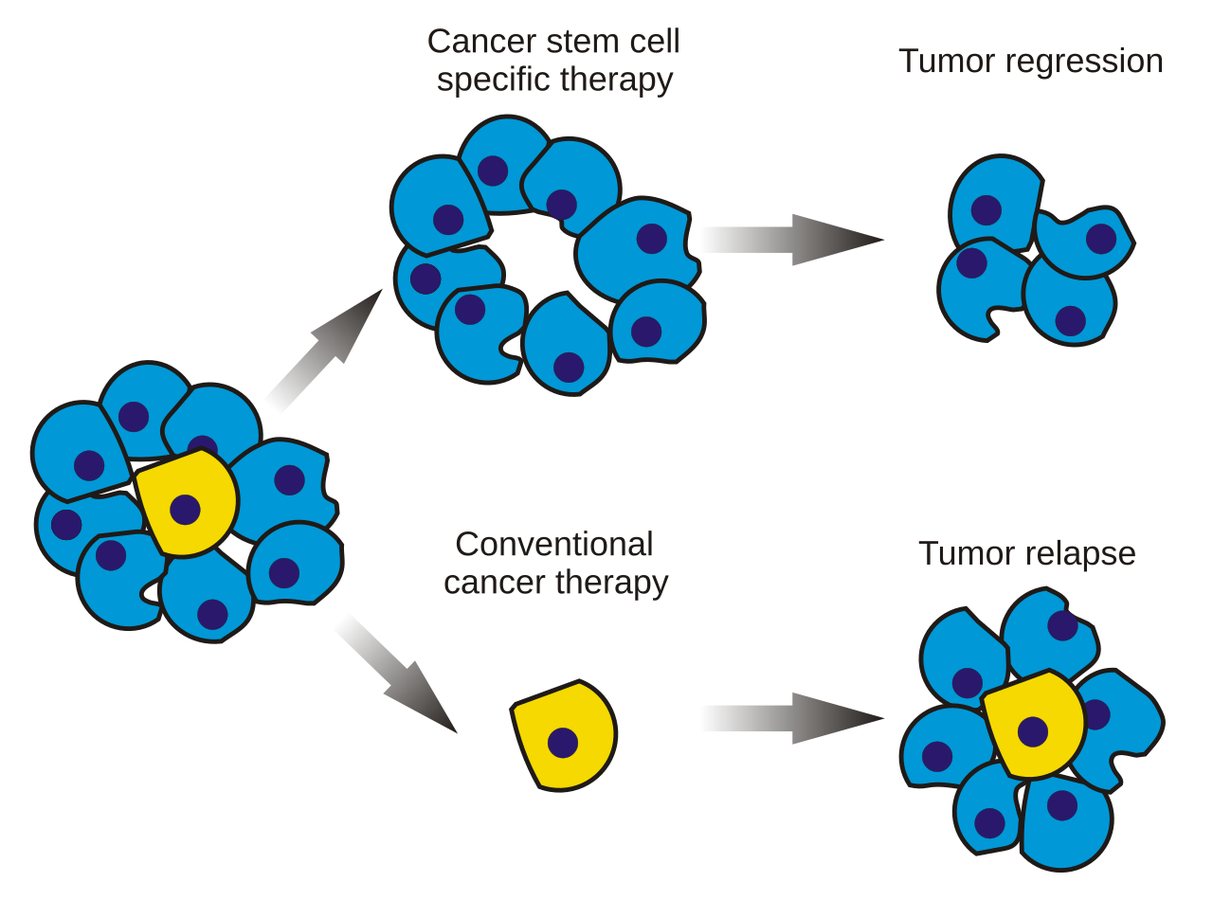
Cancer stem cells that drive high-risk myelodysplastic syndrome depend on an unexpected energy source, according to research that could open a new route to treatment. The cells appear to have what scientists describe as an energy addiction, relying far more heavily than healthy blood-forming cells on a molecule called NAD.
Myelodysplastic syndromes are a group of disorders in which the bone marrow fails to produce enough healthy blood cells. In high-risk cases, the disease can progress to acute myeloid leukemia, making new treatment strategies urgent. The findings suggest that the metabolic vulnerability of the cancer-driving stem cells may be exploitable.
When researchers disrupted the NAD energy pathway, the cancer-driving cells were selectively weakened. Healthy blood-forming cells were less affected, a pattern that matters because conventional treatments for blood cancers often harm normal bone marrow. The selective effect points to a potential therapeutic window in which malignant stem cells could be targeted while sparing healthy tissue.
NAD, or nicotinamide adenine dinucleotide, is a coenzyme found in every living cell and is central to energy metabolism. It participates in reactions that convert nutrients into usable energy and helps regulate processes tied to cell survival and stress responses. The observation that high-risk MDS stem cells lean on it far more than normal cells suggests a metabolic dependency rather than a general feature of blood formation.
The research focused on stem cells from high-risk MDS, the subset of the disease most likely to transform into leukemia. These cells are often resistant to existing therapies and are thought to be a source of relapse. A treatment that targets their energy supply could complement approaches that attack other vulnerabilities, such as genetic mutations or immune evasion.
Because the study examined the effect of disrupting NAD metabolism, it remains early-stage evidence. Further work is needed to determine whether the dependency can be safely targeted in patients, and whether normal blood-forming cells would tolerate long-term suppression of the pathway. The findings nonetheless identify a specific molecular handle that drug developers could investigate.
The result adds to a growing body of cancer research focused on metabolism. Tumors and cancer stem cells frequently rewire how they generate energy, and several experimental drugs aim at those altered pathways. The MDS findings fit that pattern, suggesting that the disease's stem cells may be unusually reliant on a single coenzyme to sustain themselves.
For patients with high-risk MDS, treatment options have historically been limited, and many therapies carry significant side effects. A strategy that selectively weakens cancer-driving cells without broadly damaging healthy blood formation would address a central challenge in the field. The new work does not yet demonstrate a clinical treatment, but it provides a rationale for pursuing NAD-related targets.
The research also raises questions about how broadly the dependency applies. It is not yet clear whether similar NAD reliance appears in other blood cancers or in solid tumors, or whether it is specific to high-risk MDS stem cells. Answering those questions would help determine whether the finding represents a narrow opportunity or a wider therapeutic principle.
Scientists involved in the work emphasize the selective effect of disrupting the pathway, which distinguishes it from treatments that simply poison dividing cells. If the dependency can be confirmed in further studies, it could inform the design of drugs aimed at the metabolic machinery of cancer stem cells, potentially in combination with existing therapies.
The findings were reported in the context of high-risk MDS, a condition that disproportionately affects older adults and often has a poor prognosis. New targets are therefore of substantial interest to researchers and clinicians. The identification of NAD dependence offers a concrete lead for laboratory and early clinical investigation.
More research will be required to translate the observation into a treatment, including studies of safety, dosing, and whether cancer cells can adapt to bypass the blocked pathway. For now, the work stands as evidence that high-risk MDS stem cells carry a metabolic vulnerability that may be exploitable.
17