Roughly one in eight cancer cases worldwide is caused by infections, according to a new analysis that underscores the role of vaccines in preventing the disease. The finding, reported by experts, highlights how pathogens contribute to a substantial share of the global cancer burden and how immunization can reduce that toll.
The analysis indicates that a significant proportion of cancers are linked to infectious agents, many of which are vaccine-preventable. Experts say the results reinforce the importance of widespread vaccination programs, particularly in regions where access to immunization remains limited. The connection between infections and cancer is well established for certain pathogens, but the new estimate quantifies the scale of the problem.
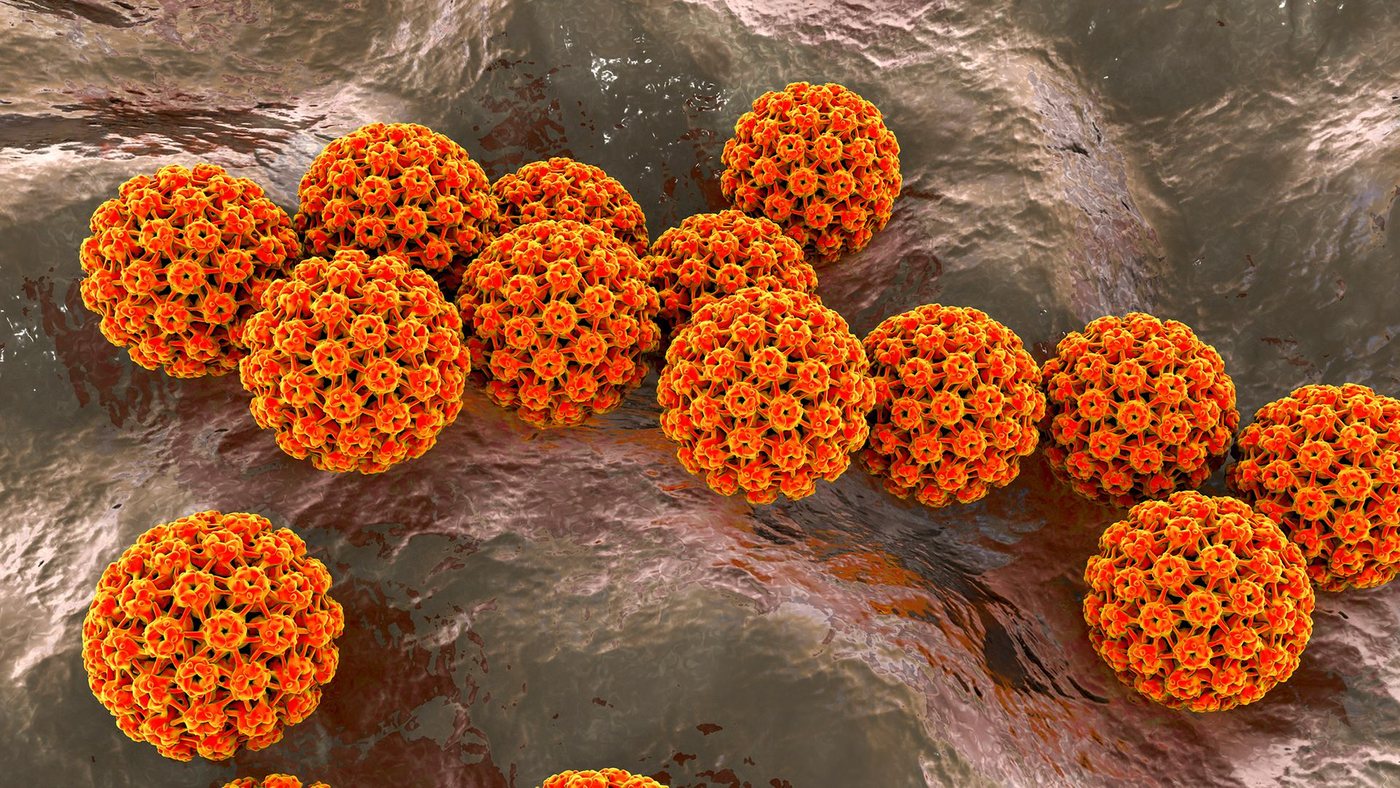
Among the infections known to raise cancer risk are human papillomavirus (HPV), hepatitis B and hepatitis C, and Helicobacter pylori. HPV is a leading cause of cervical cancer and is also linked to cancers of the throat, anus, and genitals. Hepatitis B and C can lead to liver cancer, while H. pylori is associated with stomach cancer. Vaccines exist for HPV and hepatitis B, and experts say broader uptake could prevent many of these cases.
The findings come as public health officials continue to promote vaccination as a cornerstone of cancer prevention. HPV vaccination, in particular, has been shown to reduce the incidence of cervical cancer and precancerous lesions. Despite this, vaccination rates in some countries remain below targets, and misinformation has contributed to hesitancy. Experts argue that closing these gaps could avert a meaningful number of cancer diagnoses in the coming decades.
The analysis also points to the need for stronger infection control and screening programs. For infections without vaccines, such as hepatitis C and H. pylori, early detection and treatment can reduce cancer risk. Hepatitis C, for example, can now be cured with antiviral drugs, lowering the likelihood of liver cancer. Similarly, treating H. pylori infection can reduce stomach cancer risk.
Experts emphasize that the one-in-eight figure is not a reason for alarm but a call to action. Many infection-related cancers are preventable through existing tools. Vaccination, safe injection practices, and screening are among the measures that can make a difference. The findings add to a growing body of evidence that links infectious disease control with long-term cancer prevention.
While the analysis focuses on global patterns, the implications are relevant for the United States and other countries where vaccine-preventable cancers still occur. Public health campaigns that promote HPV vaccination and hepatitis B immunization could help reduce the incidence of several cancer types. Experts say that integrating cancer prevention into routine health services is essential.
The report also highlights disparities in cancer burden. Low- and middle-income countries often face a higher share of infection-related cancers due to limited access to vaccines and treatment. International efforts to improve vaccine coverage and infection management could therefore have a substantial impact on global cancer rates.
In conclusion, the finding that one in eight cancers is caused by infections serves as a reminder of the power of prevention. Experts urge continued investment in vaccination and infection control as part of comprehensive cancer control strategies. The message is clear: preventing infections can prevent cancer.
11