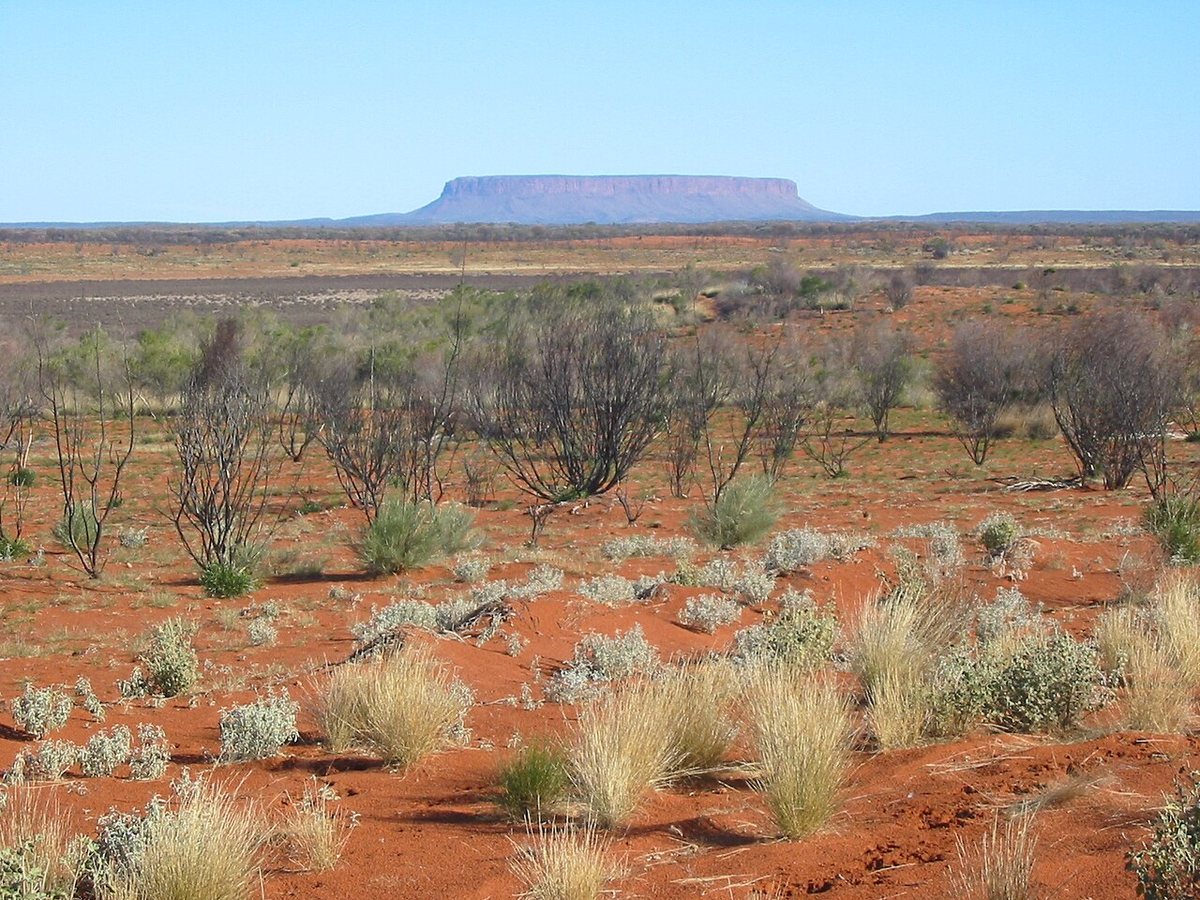
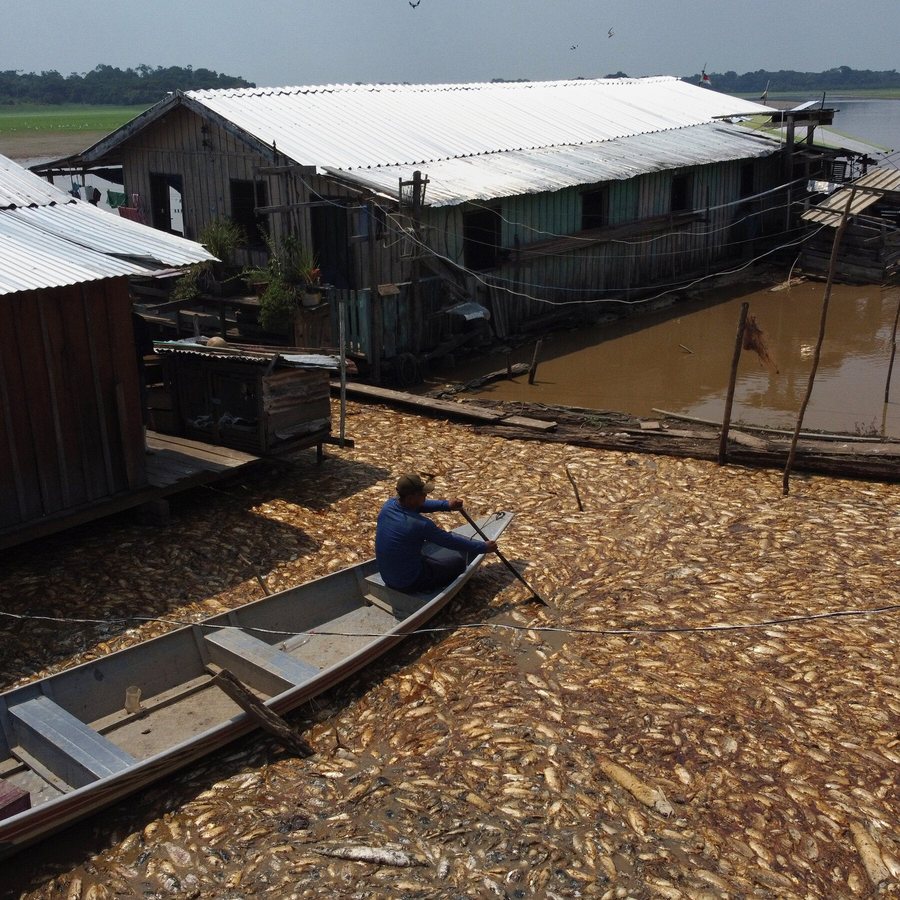
Lee Hannah, a lead climate scientist at Conservation International and an El Niño expert, says a strong event expected in 2026 could be a "Super El Niño" with consequences that extend well past the familiar pattern of droughts and floods. In a short video tied to the COP31 global climate talks, he argued that the effects will touch food systems, local livelihoods, wildlife and whole ecosystems.
El Niño is a recurring warming of parts of the tropical Pacific Ocean that shifts rainfall and temperature patterns around the world. Because it changes weather across many regions at once, its impacts often ripple through agriculture, fisheries and the water supplies that rural communities depend on. Hannah's message was that these knock-on effects are easy to overlook when attention centers on extreme weather alone.
Hannah's central call was for sustained investment in conservation, climate science and community resilience. He said the tools needed to reduce the damage already exist, and that the main obstacle is that they are not being put into practice at the scale required. Protecting forests, wetlands and other natural systems can help buffer communities from shocks, he suggested, while better forecasting gives farmers, fishers and officials more time to prepare.
The video did not give specific figures, regions or dates for the expected event, and it did not quantify how strong the 2026 episode is likely to be. What it did make clear is the urgency Hannah attaches to the issue ahead of the international climate negotiations. For readers following the story, the central point is that a strong El Niño is a risk to people and nature alike, and that the response depends on decisions made now.
Credit. Based on reporting by Conservation International for YouTube. Is this your work? Write to us.
26