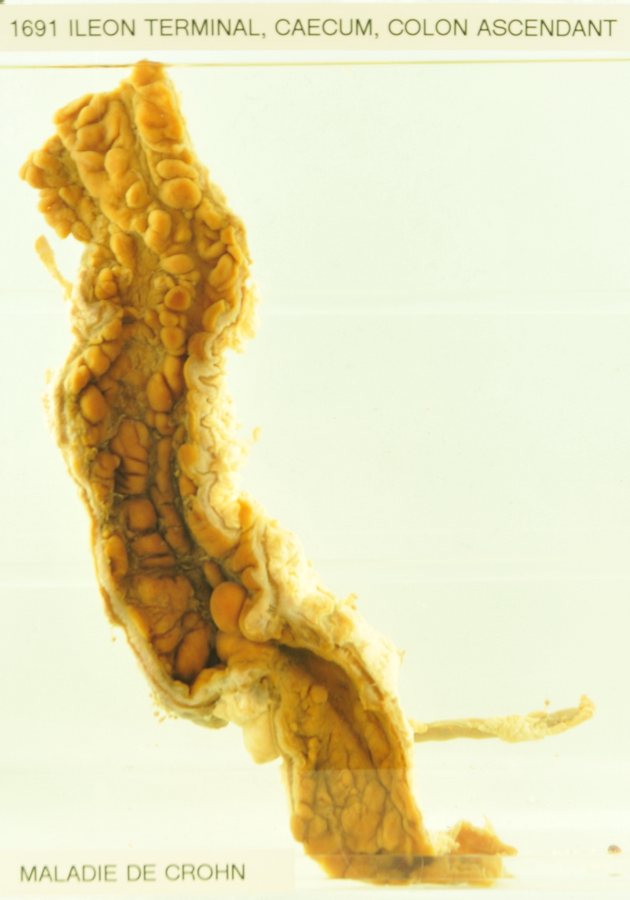
Eating more fish and fruit during childhood may be linked to a lower risk of developing inflammatory bowel disease later in life, according to a large study conducted in Scandinavia. Researchers found that children who ate more fish were less likely to develop Crohn's disease, one of the two main forms of the condition, which causes chronic inflammation of the digestive tract.
The picture for fruit is more complicated. Higher fruit intake was associated with a lower risk of Crohn's disease, but the same pattern did not hold for ulcerative colitis, the other major form of inflammatory bowel disease. In that case, fruit consumption was linked to a higher rate of ulcerative colitis rather than a lower one. The reasons for this divergence remain unexplained, and the researchers have not identified a clear mechanism to account for it.
The study also examined salty snacks. Teenagers who ate the largest amounts of these foods showed a borderline increase in the likelihood of inflammatory bowel disease. The authors describe this result as a possible link rather than a firm conclusion, signalling that more evidence is needed before it can be considered reliable.
The findings, reported by the science news site, are based on observed associations, not proof of cause and effect. Diet is only one of many factors that may influence the development of inflammatory bowel disease, and an association between a food and a condition does not show that the food either causes or prevents it. Details such as the number of participants and the length of follow-up were not given in the coverage, which makes it harder to judge how strong the evidence is.
It is also not yet clear whether the same patterns would appear in populations outside Scandinavia, where diets, environments and healthcare systems differ. Confirming the results in other groups would be an important next step. For now, the study offers a useful signal for researchers studying how early-life nutrition may shape long-term digestive health, but it does not support changing medical advice for individual families.
Credit. Based on reporting for Sci.News. Is this your work? Write to us.
6