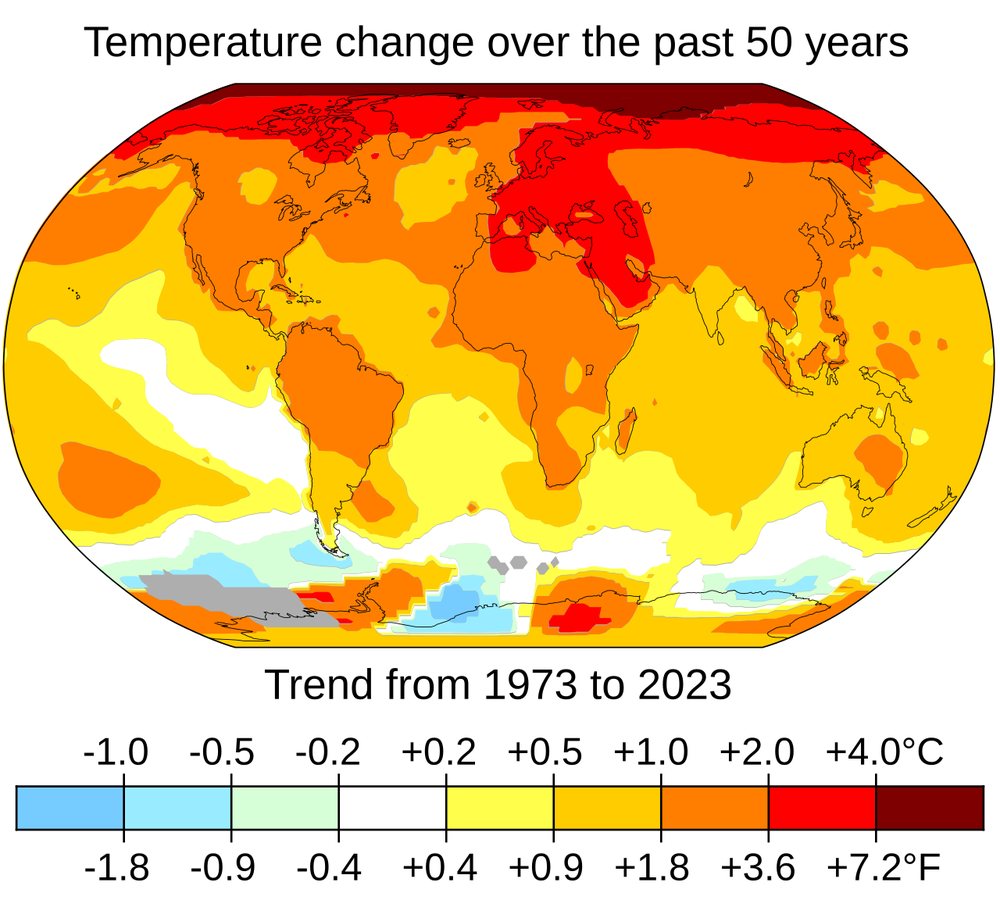
Climate change is threatening the region's progress toward eliminating malaria, according to a multidisciplinary group of policymakers and researchers who examined its effects across the Asia Pacific. Their analysis, published in Nature Medicine, finds that shifting environmental conditions are altering where and when the disease can spread, putting years of gains at risk.
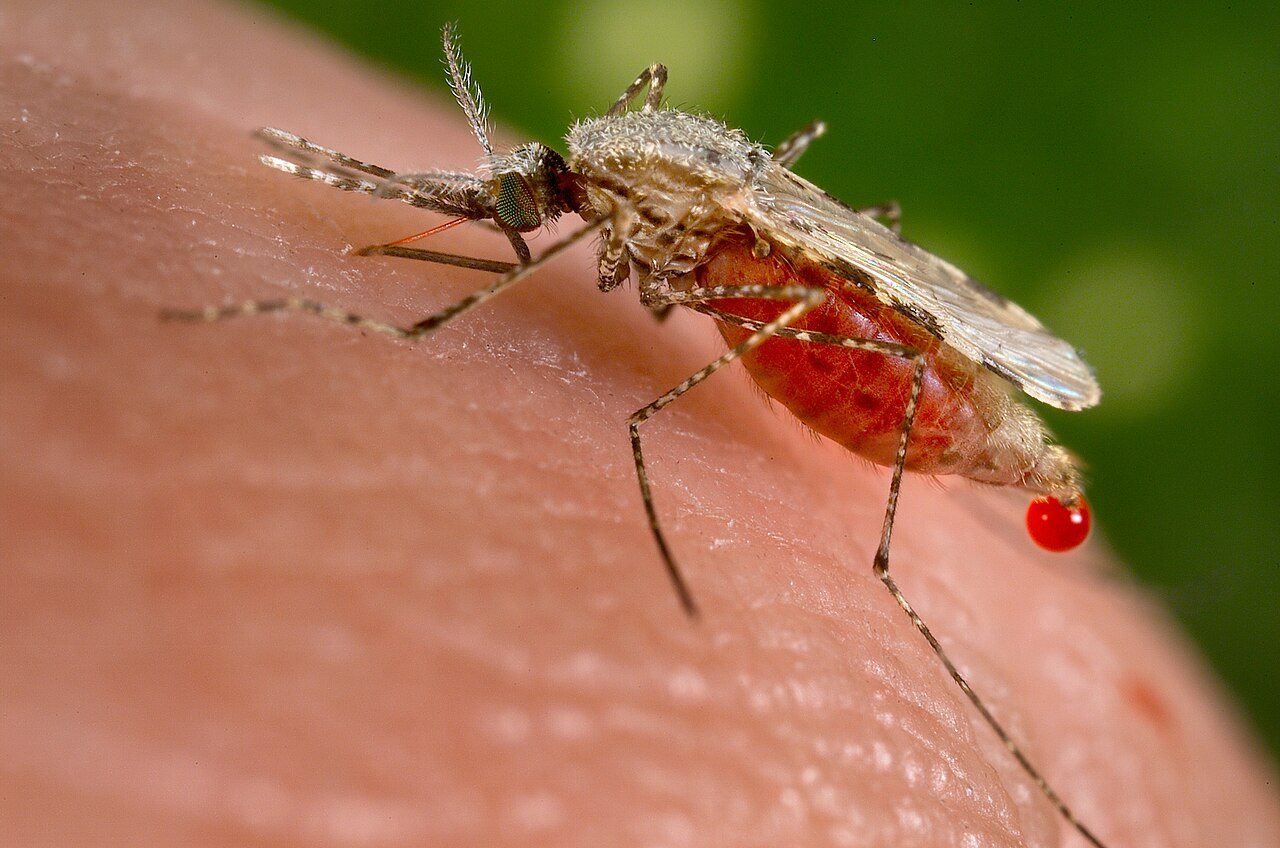
The group points to gaps in how national governments are preparing for these changes. Many current adaptation strategies, the authors indicate, do not fully account for the way rising temperatures, changing rainfall and other climate-driven shifts affect the mosquitoes that transmit malaria and the communities exposed to them. Without stronger planning, the researchers warn, countries may struggle to sustain control measures and reach elimination targets.
To address these gaps, the authors outline five priority actions for the region. The recommendations are aimed at policymakers and health systems tasked with responding to the disease as its environmental drivers evolve. Although the group frames them as a path forward for the Asia Pacific, the exercise reflects a broader recognition that malaria control increasingly depends on climate considerations as well as traditional medical interventions.
The study underscores how closely public health is tied to environmental change. Rising temperatures can speed up the development of malaria parasites within mosquitoes and extend the period in which transmission is possible, while changes in precipitation can create new breeding grounds for the insects. Such shifts can bring the disease into areas where it had been largely controlled, complicating efforts that depend on sustained surveillance and rapid response.
The findings arrive as countries in the Asia Pacific work toward malaria elimination goals. By bringing together policymakers and researchers, the authors aim to link scientific evidence with the decisions that will determine how well the region adapts. Their call for stronger, climate-aware strategies signals that the next phase of the fight against malaria will require coordination across health, environmental and planning sectors.
11