Polyethylene microplastics, one of the most widely used plastics in the world, can contribute to fatty liver disease, according to new research from Texas A&M University. The finding challenges the long-held assumption that polyethylene is relatively harmless and suggests that exposure to the material may be an overlooked factor in a condition that affects a growing share of the global population.
The study indicates that the effects of polyethylene microplastics on the liver can be more severe when they occur alongside an unhealthy diet. That combination — widespread plastic exposure and poor nutrition — is common in many industrialized countries, raising concerns about how everyday environmental contaminants may interact with lifestyle factors to drive metabolic disease.
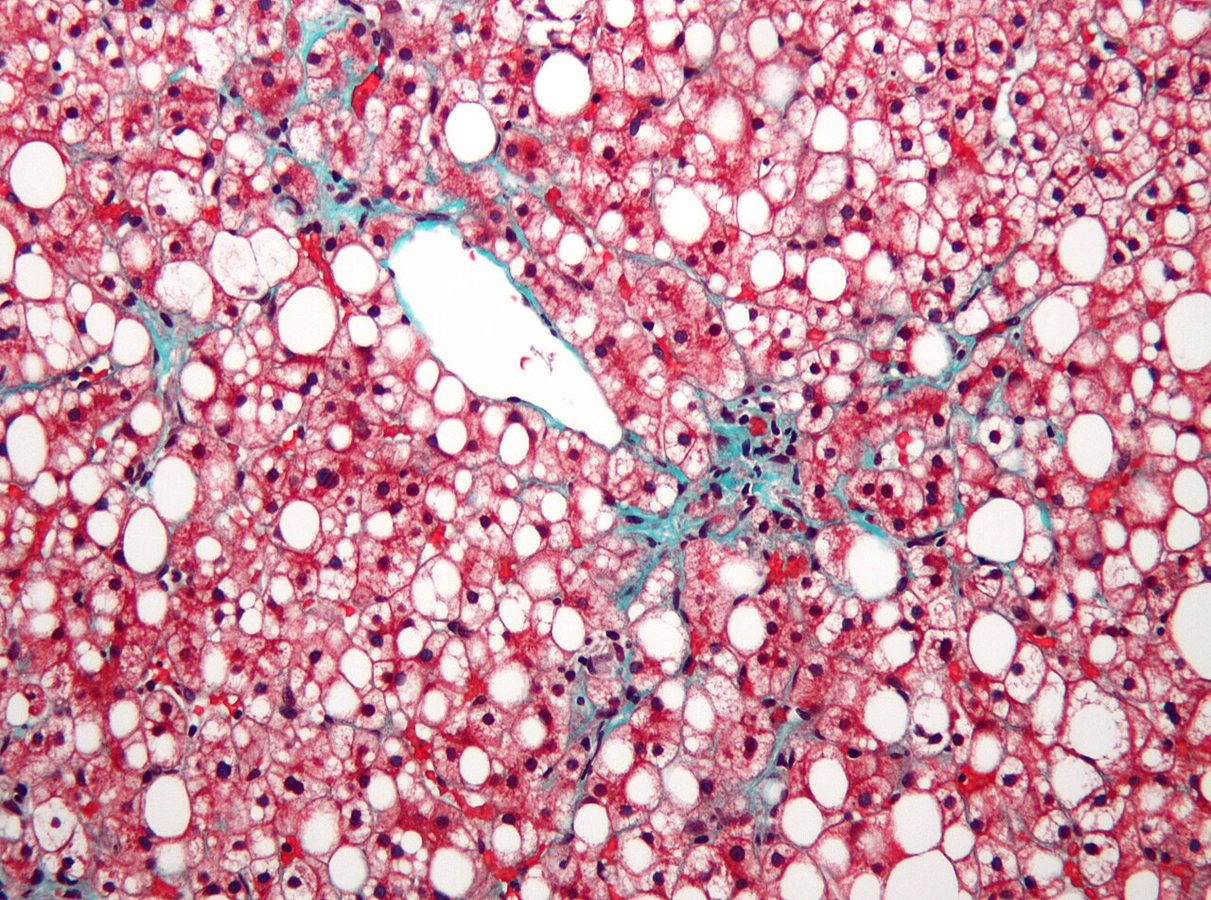
Fatty liver disease, also known as hepatic steatosis, occurs when fat accumulates in liver cells. It is often associated with obesity, diabetes, and high-fat diets, but the new research suggests that microplastic exposure may be an additional and previously unrecognized contributor. The liver is a primary site for processing foreign substances, making it particularly vulnerable to particles that enter the bloodstream.
Polyethylene is used in a vast range of products, from plastic bags and bottles to pipes and packaging. Because it was long regarded as biologically inert, it has not been subject to the same level of scrutiny as some other plastics. The Texas A&M team's work suggests that assumption may need revision, at least when the material is present as microplastics small enough to be taken up by cells or to trigger inflammatory responses.
Microplastics — fragments smaller than five millimeters — have been detected in water, soil, air, and human tissue. Their health effects are still being mapped, but a growing body of evidence points to potential harm in the digestive system, the cardiovascular system, and now the liver. The new study adds to that picture by focusing on a plastic that had largely escaped suspicion.
The researchers found that polyethylene microplastics can contribute to fatty liver disease, and that the impact is potentially worse when combined with an unhealthy diet. This interaction suggests that the risk is not simply additive but may be amplified by metabolic stress. In practical terms, it means that populations already facing high rates of diet-related disease could be more susceptible to the effects of plastic pollution.
The findings carry implications for public health policy, environmental regulation, and food safety. If a common plastic can promote liver disease, then efforts to reduce microplastic pollution may have direct health benefits beyond the well-known environmental ones. The study also raises questions about how plastics are tested for safety, particularly as they degrade into microscopic particles that can persist in the body.
Texas A&M researchers conducted the work, which adds to a rapidly expanding field of microplastics research. While the exact mechanisms remain under investigation, the results suggest that polyethylene should no longer be classified as harmless. Further studies will be needed to determine the doses, exposure routes, and long-term consequences in human populations.
For now, the study underscores a broader scientific theme: materials that seem inert can have biological effects when they break down into tiny particles. As plastic production continues to rise worldwide, understanding those effects becomes increasingly urgent, especially for organs like the liver that are central to metabolism and detoxification.
11