A new NASA report has revealed unexpected visual phenomena observed during the Artemis II mission, including what scientists describe as swamp-like colors on the lunar surface. The findings, released as part of the agency's ongoing analysis of mission imagery, offer a fresh look at how the Moon appears under conditions that differ from previous observations.
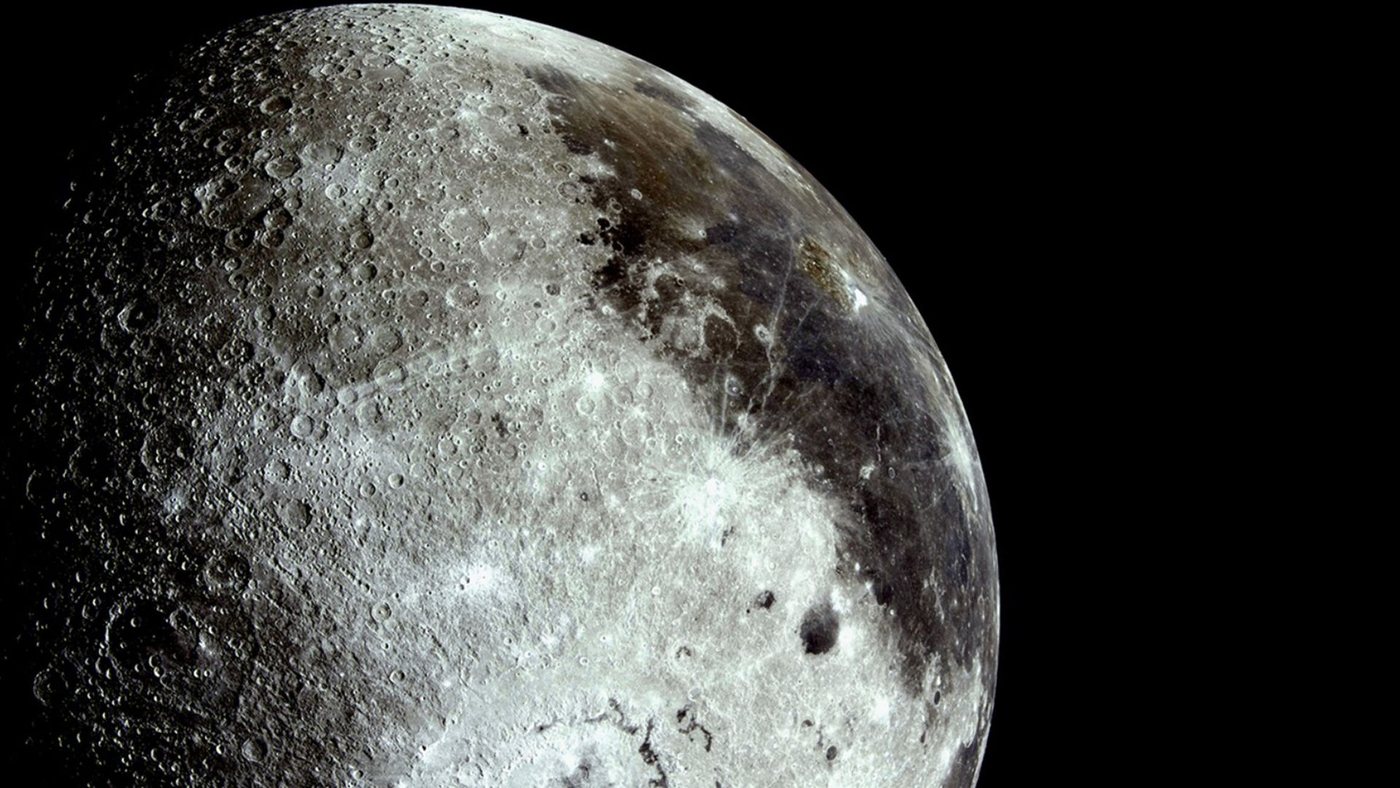
The Artemis II mission, which carried astronauts around the Moon and back, provided a unique vantage point for studying the lunar surface and its interaction with sunlight. According to the report, crew members and automated instruments recorded color variations that do not match the typical gray, monochrome palette associated with the Moon. Instead, certain regions displayed greenish and brownish tints, reminiscent of swampy terrain on Earth.
Scientists involved in the analysis suggest that these colors may result from a combination of factors, including the angle of sunlight, the mineral composition of the lunar soil, and the way light scatters through the thin lunar exosphere. The report notes that similar color anomalies have been observed in past missions, but the Artemis II data provide a more detailed and comprehensive record than ever before.
The Artemis II mission, part of NASA's broader effort to return humans to the Moon, was primarily designed to test the Orion spacecraft's systems and life-support capabilities during a crewed lunar flyby. However, the mission also offered an opportunity to conduct scientific observations that could inform future lunar exploration, including the Artemis III landing planned for later this decade.
According to the report, the swamp-like colors were most prominent near the lunar terminator — the boundary between the day and night sides of the Moon. In this region, low-angle sunlight casts long shadows and can exaggerate subtle color differences in the surface materials. The report describes how the crew observed these hues during a period of high solar activity, which may have influenced the way light interacted with the lunar dust.
Researchers are now analyzing the data to determine whether the colors are purely an optical effect or whether they indicate something more substantive about the Moon's geology. The report stops short of drawing definitive conclusions, noting that further study is needed to rule out camera artifacts or other instrumental factors.
The findings add to a growing body of evidence that the Moon is not a uniform, gray world but a complex and varied landscape. Previous missions have detected subtle color differences associated with volcanic deposits, impact melt, and exposed bedrock. The Artemis II observations may help scientists map these variations more accurately and identify sites of interest for future exploration.
NASA has not announced any specific follow-up missions dedicated to studying the color anomalies, but the agency says the data will be made available to the broader scientific community. The report is expected to fuel additional research into lunar surface processes and the ways in which light and shadow can reveal hidden details about planetary bodies.
For now, the swamp-like colors remain a curious footnote to a mission that was primarily focused on engineering and human spaceflight. But they serve as a reminder that even well-studied worlds like the Moon can still surprise us — and that every new mission brings the potential for unexpected discoveries.
14