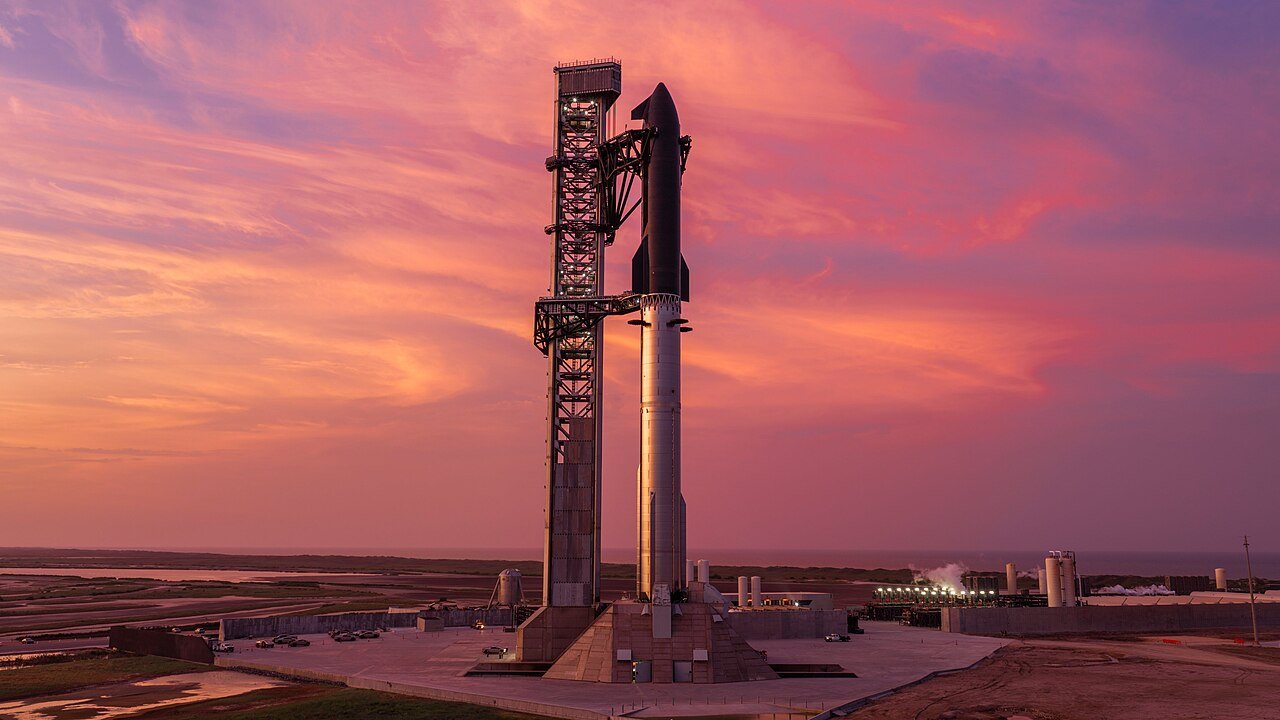
When a SpaceX Starship prototype exploded during a test flight, debris scattered across the sky and fell over a wide area. Official tracking systems, while sophisticated, were not the only source of information. Videos recorded by tourists and local bystanders quickly became an unexpected but valuable tool for tracking the rocket's debris, according to a new report.
The explosion, which occurred during a high-altitude test, sent pieces of the spacecraft across the landscape. While SpaceX and federal regulators rely on radar and telemetry, those systems can have gaps, especially when a vehicle breaks apart unexpectedly. Tourist footage, often captured on smartphones from multiple angles, helped fill in those gaps by providing visual confirmation of where debris landed and how it dispersed.
Researchers and safety analysts are now examining how crowdsourced video can complement official tracking methods. The sheer number of people with cameras in the area meant that the explosion was documented from dozens of viewpoints, creating a rich dataset that could be used to reconstruct the event. This kind of public participation is not entirely new — amateur astronomers and aviation enthusiasts have long contributed to tracking — but the scale and speed of smartphone documentation is unprecedented.
For SpaceX, the incident is part of a testing campaign that has seen several Starship prototypes fail in dramatic fashion. Each failure, however, provides data that informs future designs. The company has emphasized that such tests are inherently risky and that learning from explosions is part of the development process. The Federal Aviation Administration, which oversees commercial space launches, also investigates each mishap to ensure public safety.
The role of tourist videos in tracking debris highlights a broader trend: the public is increasingly becoming an active participant in space monitoring. With more launches and more spectators, the line between official and amateur observation is blurring. This could have implications for how future incidents are investigated and how quickly information is shared.
While the videos were not a substitute for official telemetry, they offered a real-time, ground-level perspective that radar alone cannot provide. Analysts say that integrating such footage into formal investigations could improve response times and accuracy. However, challenges remain, including verifying the authenticity of videos and ensuring that they are used responsibly.
The explosion itself did not cause any reported injuries, and SpaceX has not released a detailed statement on the specific cause. The company is expected to continue testing, with each flight bringing it closer to its goal of a fully reusable rocket system. For now, the incident serves as a reminder that even in the high-tech world of spaceflight, the eyes of the public can play a crucial role.
As space tourism and private spaceflight grow, the number of potential observers will only increase. This raises questions about how to best harness this informal network for safety and research. Some experts suggest that a coordinated system for collecting and analyzing crowd-sourced footage could be developed, turning casual recordings into a formal tool for accident investigation.
For the tourists who happened to be in the right place at the right time, their videos became more than just souvenirs. They became part of the record of a rocket's final moments, helping engineers and investigators understand what happened when Starship exploded.
14