Reducing sugary foods and drinks while taking antibiotics may help preserve the diversity of the gut microbiome, according to a study of people undergoing stem-cell transplants for blood cancers. The research, published in Nature, found that patients who consumed more high-sugar items while on antibiotics experienced a significantly greater drop in beneficial gut bacteria.
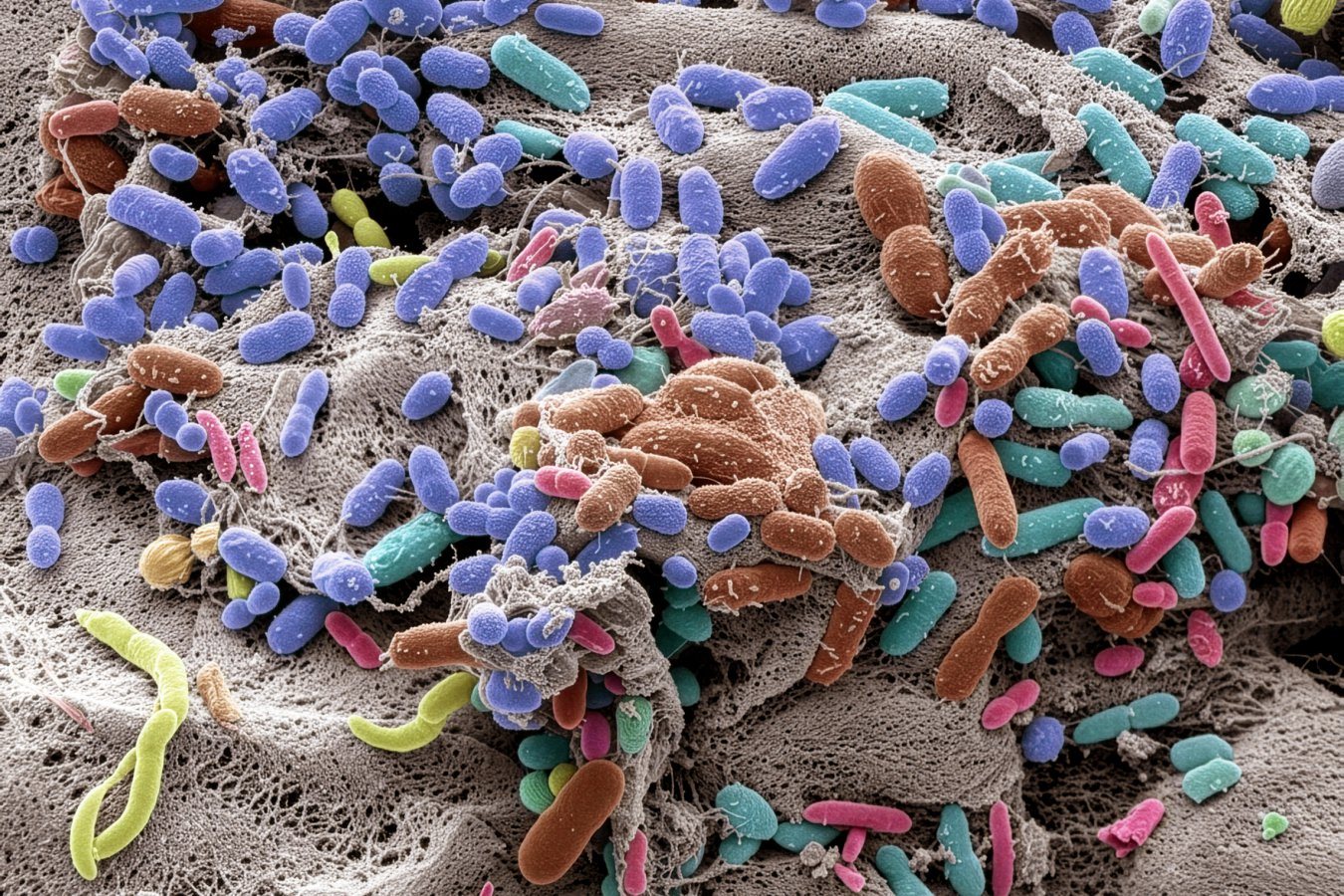
The gut microbiome — the vast community of bacteria living in the digestive tract — plays a central role in digestion, immune function and mental health. Antibiotics can disrupt this community, leading to digestive problems, fatigue and flare-ups of skin conditions. For cancer patients, maintaining microbiome diversity is especially important: greater diversity has been linked to better survival rates.
Jonathan Peled of Memorial Sloan Kettering Cancer Center in New York and his colleagues tracked 158 people with blood cancers who were hospitalised for chemotherapy and stem-cell transplants. Each participant took at least one antibiotic to prevent infection. The team analysed stool samples to monitor changes in gut bacteria and, unusually, recorded exactly what participants ate. Every time a patient ordered a meal, a questionnaire arrived with the tray to note how much of each item was consumed, yielding more than 40,000 food records.
«Suppose a patient ate half a lasagna. We know the recipe and the standard serving size and the nutritional information of each ingredient,» Peled said. «I think this is the closest anyone has ever come to precisely recording everything that goes in and linking it to what comes out.»
The analysis revealed that having antibiotics in the 48 hours before a stool sample was linked to a drop in microbiome diversity. For every 100-gram increase in high-sugar food or drink — roughly equivalent to a large milkshake — that drop in total bacterial diversity was on average 24 per cent greater. The combination of sugar and antibiotics also led to increased numbers of Enterococcus faecium, bacteria that can cause severe hospital-acquired infections.
«The sugar in the gut exacerbates problems caused by the antibiotics,» said team member Jonas Schluter of NYU Langone Health. Antibiotics wipe out many gut bacteria, leaving a few «last man standing» strains that are not necessarily beneficial. «They have survived the assault and then we are feeding them with rocket fuel.»
Experiments in mice supported the finding. Mice given the antibiotic biapenem while eating a high-sucrose diet saw a 16.3-fold increase in Enterococcus populations by day three and a 33.4-fold boost by day six. Mice on the high-sugar diet without antibiotics maintained their bacterial diversity. Similar effects occurred when mice were fed a commercial fruit smoothie high in fructose.
Nicola Segata of the University of Trento in Italy, who was not involved in the study, said it makes sense that potential pathogens are boosted by sugar. Sugar may directly favour pathogens that thrive on it, while indirectly harming beneficial bacteria that need fibre to recover from antibiotics.
The implications extend beyond the hospital. Doctors often recommend smoothies or milkshakes to cancer patients to boost nutrition, but Peled said this advice might need reevaluation if the patient is also taking antibiotics. «Many of us are motivated to find ways to protect the microbiome when we or our children are prescribed antibiotics. Limiting the intake of sugary foods offers a potential way to do that,» he said. «It’s very feasible, likely to be very low toxicity, very tolerable and very economical.»
Standard dietary guidelines already advise avoiding excessive sugar, Peled noted, so the recommendation aligns with general health advice. Segata added that after antibiotics disrupt the microbiome, a window opens for bacteria to recolonise the gut. To encourage a wide array of beneficial bacteria, he recommends eating a high diversity of plant-based foods.
9