An engineered cell therapy designed to fight advanced melanoma that no longer responds to checkpoint inhibitors has shown a preliminary clinical signal of benefit, according to a pooled analysis of two early-stage clinical trials published in Nature Medicine. The therapy, amsokigene autoleucel, was successfully manufactured, was well tolerated by patients, and produced an early efficacy signal in people whose disease had stopped responding to immune checkpoint inhibitors.
The treatment belongs to a class of therapies built from tumor-infiltrating lymphocytes, or TILs, which are immune cells that naturally gather within a tumor. In this approach, a patient's own TILs are collected, expanded and modified in the laboratory before being returned to the body. The version studied here is engineered to eliminate the need for interleukin-2, a signaling molecule that has traditionally been given alongside TIL infusions to keep the cells active but that can cause significant side effects.
The analysis was non-prespecified, meaning it pooled data from two trials rather than testing a hypothesis set out in advance. The findings were presented at the Society for Immunotherapy of Cancer 2026 Annual Meeting before being published online on November 3, 2026. Researchers describe the results as preliminary, and the pooled design means they should be read as an early indication rather than confirmation of effectiveness.
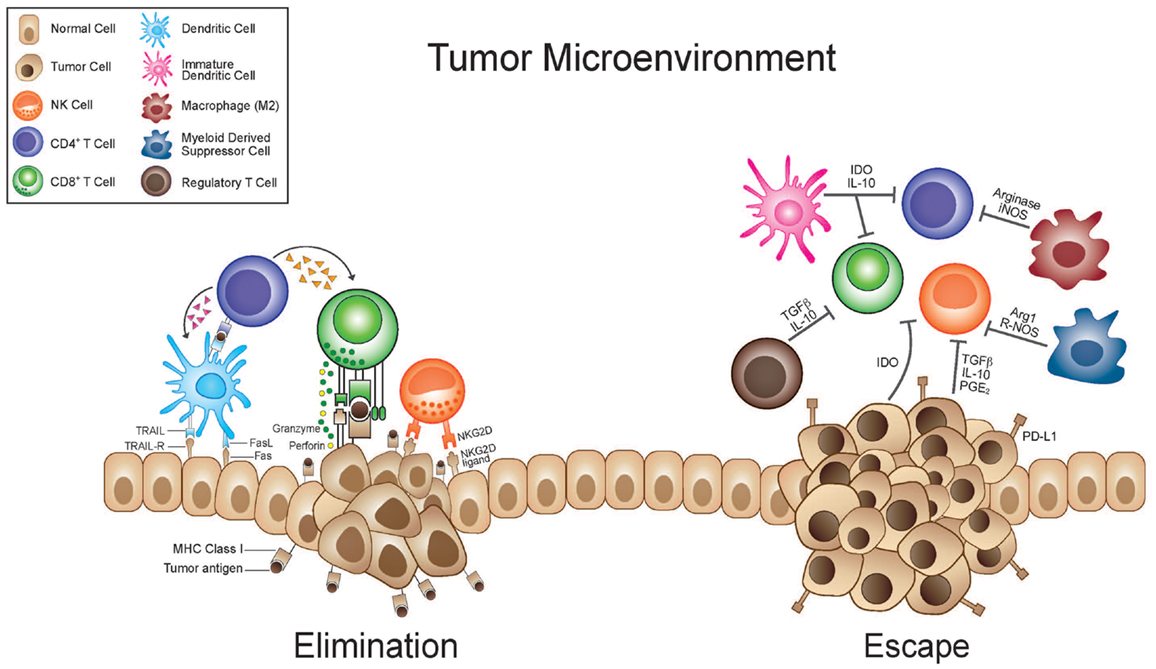
Melanoma that progresses after checkpoint inhibitor treatment remains difficult to manage, and options for this group of patients are limited. Checkpoint inhibitors release the brakes on the immune system and have transformed outcomes for many people with advanced skin cancer, but a substantial share of patients either do not respond at the outset or stop responding over time. That gap is the setting in which the engineered TIL approach is being tested.
The therapy's removal of the interleukin-2 requirement is central to its design. By engineering the cells to carry a membrane-bound form of interleukin-15, the researchers aimed to sustain the cells' activity without relying on the separate interleukin-2 infusion. The study data reported that the manufacturing process succeeded and that the treatment was well tolerated across the pooled patient group.
Further and larger studies will be needed to determine how durable any benefit might be and how the therapy compares with other available treatments. The authors' reported signal is encouraging for a population with few established alternatives, but the data as presented do not yet establish a settled clinical benefit.
Source: nature.com
19