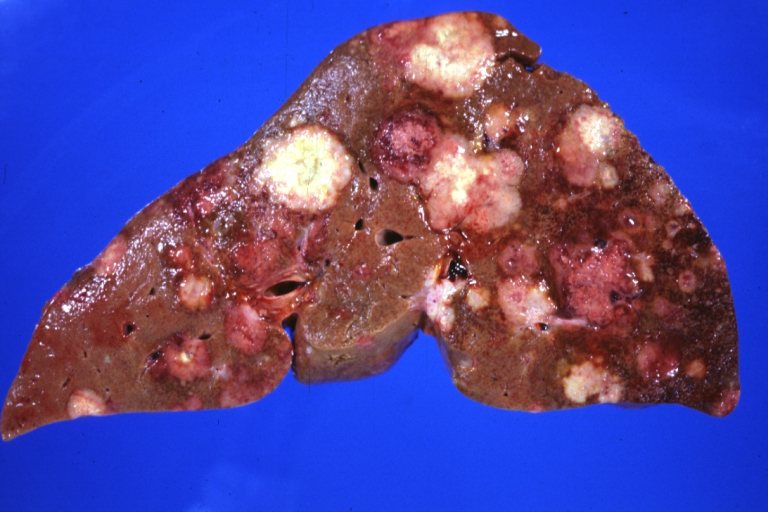
A potential new drug has reversed severe fatty liver disease in animal models by restoring gut health and preventing harmful substances from reaching the liver, according to researchers studying the compound. The finding points to a treatment strategy that targets the digestive system rather than the liver alone, and the scientists behind the work suggest it could eventually be adapted for other serious conditions, including cardiovascular disease.
The drug works by repairing the gut barrier, the lining that normally keeps bacteria and bacterial byproducts from leaking into the bloodstream. In fatty liver disease, a compromised barrier allows those substances to travel to the liver, where they drive inflammation and the accumulation of fat. By restoring the barrier, the experimental treatment appears to interrupt that chain of damage and allow the liver to recover, the researchers report.
The experiments were conducted in animal models of severe fatty liver disease, a condition that in humans is linked to obesity, diabetes and metabolic dysfunction and that can progress to cirrhosis and liver failure. The animals receiving the drug showed reversal of the disease, according to the research team, which described the result as a breakthrough that could open the way to new treatments for liver disease.
Fatty liver disease has become one of the most common chronic liver conditions worldwide, yet treatment options remain limited. Most current approaches rely on lifestyle changes such as weight loss, diet and exercise, while drug development has struggled to produce therapies that reliably reverse advanced disease. A treatment that acts on the gut-liver axis would represent a different approach from compounds designed to target liver cells directly.
The researchers also raised the possibility that the same mechanism could be relevant beyond the liver. Because the gut barrier and the substances that escape through it are thought to influence inflammation throughout the body, the team suggested the drug could have applications in cardiovascular disease and potentially other serious conditions. That broader claim, however, rests on the animal findings and would require clinical testing to confirm.
The results remain preliminary. Animal models do not always predict how a drug will behave in people, and the compound has not yet been evaluated in human trials. Questions about dosing, long-term safety and whether the reversal of liver damage persists after treatment ends would need to be addressed before the approach could reach patients.
Even so, the study adds to growing interest in the gut as a lever for treating metabolic and inflammatory disease. Researchers have increasingly examined how the intestinal barrier, the microbiome and the immune system interact with organs such as the liver, and the new findings suggest that repairing the gut could be a viable route to treating a condition that currently has few effective drug options.
12