Mathematician and broadcaster Hannah Fry says she was startled to learn that Alzheimer's may start in the nose. Writing about her own experience, Fry describes hearing biologist Aviv Regev make the remark at a conference in August. Fry's father died of Alzheimer's last year, and she says she had never encountered the idea before, despite extensive reading about the disease since his diagnosis.
The link between smell and Alzheimer's is well documented. People with the disease often lose their sense of smell, sometimes years before memory symptoms appear. Fry notes that the sense of smell is also a useful indicator of general health. One 2014 study found that smell loss in older people predicted whether they would die within five years better than a cancer diagnosis did. The olfactory nerves are closely tied to memory structures in the brain, so their deterioration can serve as an early warning of more serious problems.
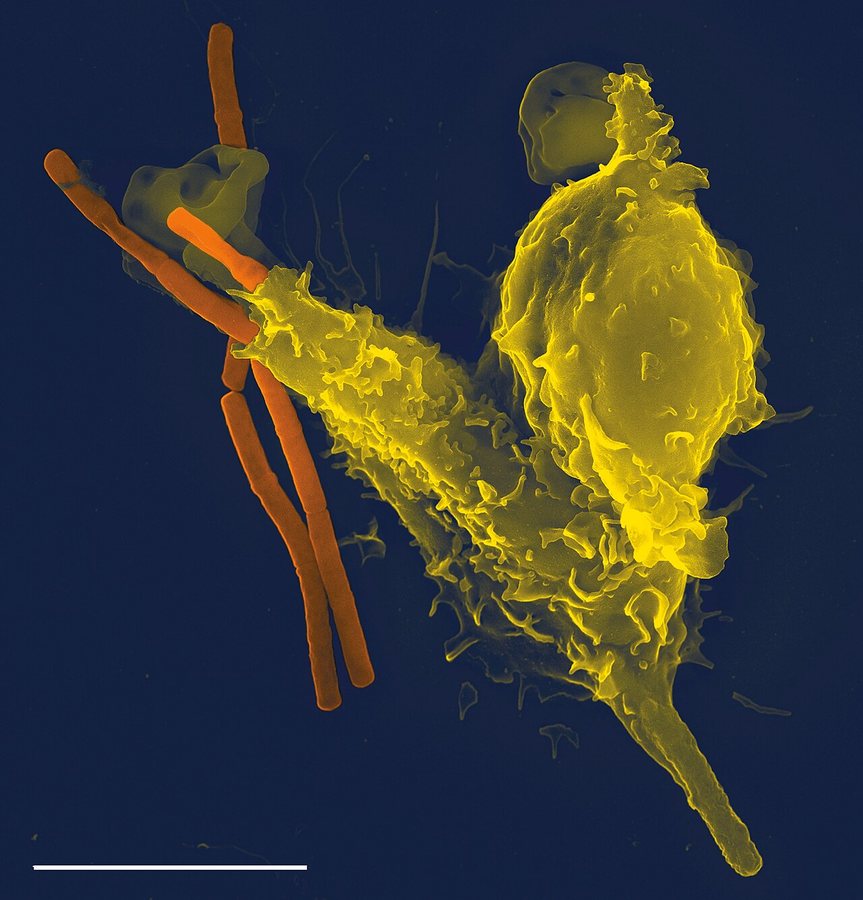
The more provocative question is whether the nose plays a causal role. Fry explains that the brain is heavily shielded by the skull and the blood-brain barrier, with one notable exception: a perforated section of bone at the top of the nose, called the cribriform plate, through which olfactory fibres pass. That opening offers a possible route for pathogens or pollutants to reach the brain. Fry describes a hypothesis that beta-amyloid plaques, which play a central role in Alzheimer's, may be residue left after the brain fights an infection that arrives through the nose.
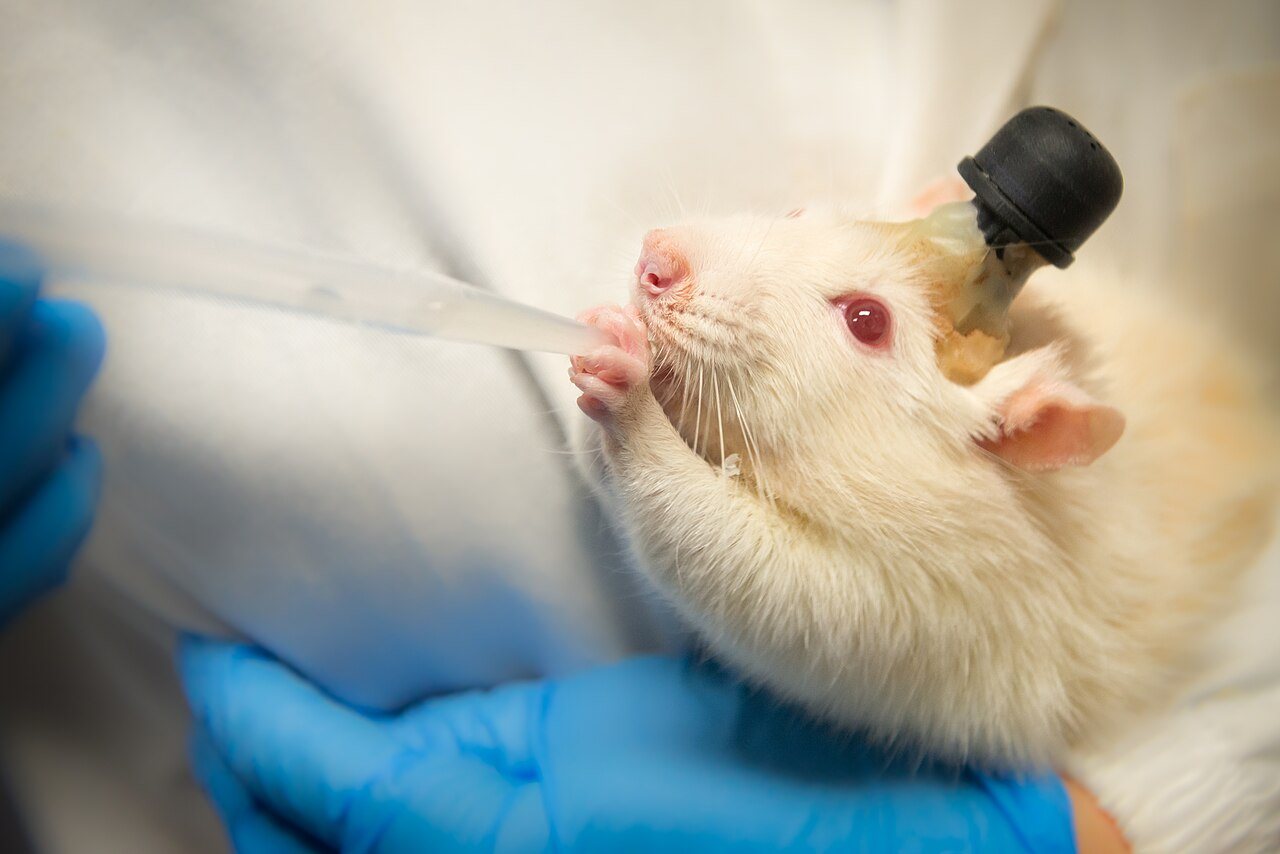
Fry points to supporting evidence, though she is careful to say it is not definitive proof for humans. In 2022, scientists introduced Chlamydia pneumoniae into the noses of mice; within 72 hours the bacteria had travelled along nasal nerves to the brain, and the infection triggered the accumulation of beta-amyloid. Separately, a group in Mexico studied stray dogs living in polluted air and found microscopic metal particles in their brains, apparently entering through the nose, alongside inflammation and beta-amyloid. Dogs from cleaner, rural environments did not show the same changes.
Later studies extended that work to human brains. Researchers examined tissue from very young children and young adults who died from gun violence or car accidents and found tiny, metal-rich particles, thought to come from vehicle exhaust and brake dust, along with inflammation and beta-amyloid accumulations. Fry notes that these are the kinds of changes associated with Alzheimer's, appearing in brains that were sometimes only a few years old. Taken together, she writes, the findings suggest the disease may have an environmental cause that begins much earlier than had been thought. Fry concludes that the research is still developing, but that the idea has transformed how she understands the disease that took her father.
16