Researchers have developed a nanoparticle-based therapy that appears to reverse key symptoms of Alzheimer’s disease in mice, improving performance on memory and learning tests while reducing brain inflammation and levels of amyloid-beta, the protein fragment that forms the hallmark plaques of the disease. The treatment works by converting star-shaped brain cells called astrocytes into functioning neurons, offering a potential new avenue for tackling a condition that affects millions worldwide.
The study, led by a team of scientists, represents a significant step in the search for disease-modifying therapies for Alzheimer’s, which has long been characterized by the accumulation of amyloid plaques and neurofibrillary tangles, along with progressive neuronal loss. Current treatments primarily manage symptoms rather than halt or reverse the underlying neurodegeneration. This new approach, described as a “nano-eraser” therapy, aims to replace lost neurons by reprogramming the brain’s own support cells.
Astrocytes are the most abundant glial cells in the central nervous system, traditionally known for their supportive roles, such as maintaining the blood-brain barrier, providing nutrients to neurons, and regulating synaptic activity. In the context of Alzheimer’s disease, astrocytes become reactive and contribute to neuroinflammation, which accelerates neuronal damage. The nanoparticle therapy appears to exploit this reactive state, delivering genetic instructions that convert these cells into functional neurons, effectively replenishing the neuronal population lost to the disease.
In the mouse model of Alzheimer’s, treated animals showed significant improvements in standard memory and learning tests, such as the Morris water maze, which assesses spatial memory. The therapy also reduced levels of amyloid-beta in the brain and dampened neuroinflammation, as measured by markers of activated microglia and astrocytes. These effects were observed after a single administration of the nanoparticles, suggesting a durable and targeted mechanism of action.
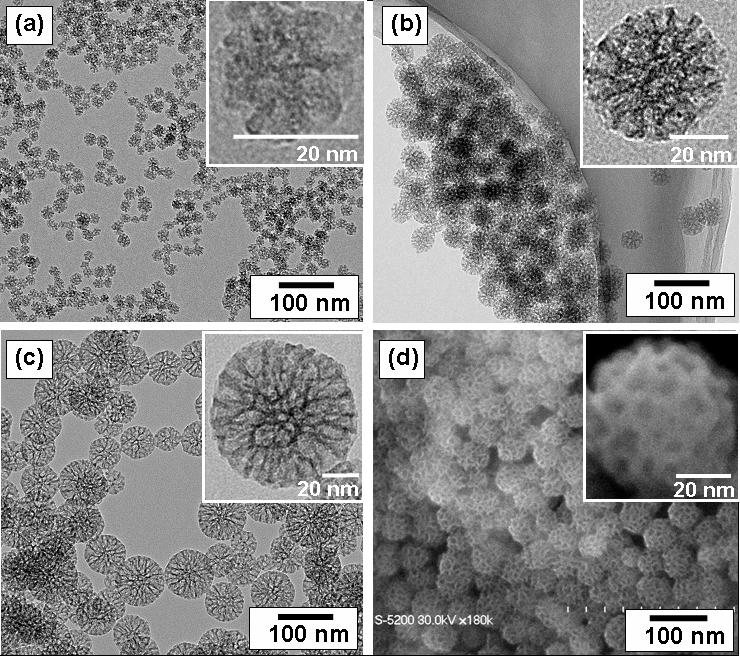
The nanoparticles are designed to cross the blood-brain barrier, a major hurdle for many neurological drugs. They carry a payload of transcription factors—proteins that regulate gene expression—that drive the conversion of astrocytes into neurons. The researchers engineered the nanoparticles to specifically target reactive astrocytes, minimizing off-target effects. This precision is critical, as the therapy must not disrupt the normal functions of other brain cells.
While the results are promising, the researchers caution that the therapy is still in preclinical stages. The mouse model used in the study recapitulates many features of human Alzheimer’s, but it does not fully replicate the complexity of the disease in people. Further studies are needed to assess the long-term safety and efficacy of the approach, as well as its potential to translate to human patients.
The findings add to a growing body of research exploring cell reprogramming as a strategy for neurodegenerative diseases. Other groups have attempted to convert glial cells into neurons using viral vectors or small molecules, but the nanoparticle approach offers a non-viral, potentially safer alternative. The nanoparticles are biodegradable and have shown low toxicity in preliminary tests, which could facilitate clinical development.
Alzheimer’s disease is the most common cause of dementia, affecting an estimated 50 million people globally, a number expected to triple by 2050 as populations age. The economic and emotional burden is immense, with no cure currently available. While the new therapy is far from clinical application, it represents a novel conceptual advance: rather than merely slowing degeneration, it aims to restore brain function by generating new neurons.
The study was published in a peer-reviewed journal, and the research team plans to conduct further experiments in larger animal models before considering human trials. They also intend to investigate whether the therapy could be combined with existing anti-amyloid antibodies to enhance its effects. The potential to reverse cognitive decline, even partially, would be a paradigm shift in Alzheimer’s research.
For now, the nano-eraser therapy remains a laboratory breakthrough, but it underscores the possibility that the brain’s own cells can be harnessed to repair damage. As the scientific community continues to unravel the mechanisms of neurodegeneration, approaches like this one offer hope for a future where Alzheimer’s is not a sentence but a treatable condition.
121