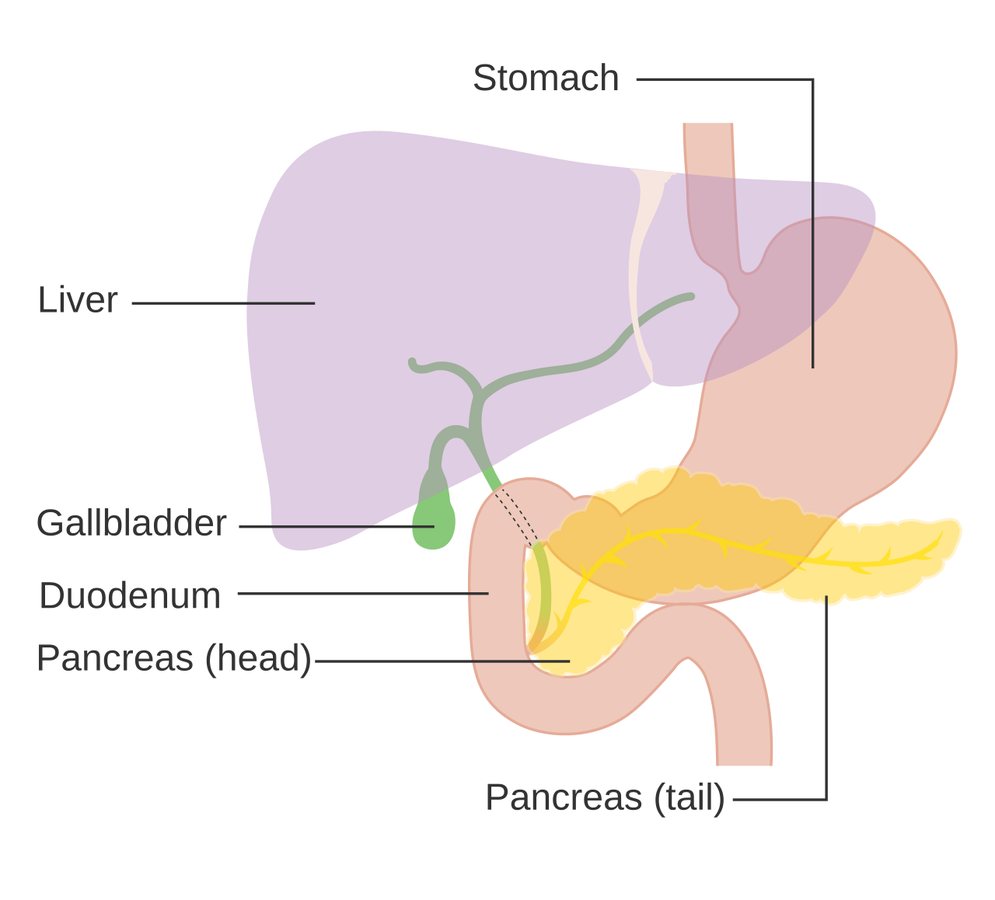
An oncolytic adenovirus engineered to express hyaluronidase, delivered intravenously alongside standard chemotherapy, prolonged overall survival in patients with treatment-naive metastatic pancreatic cancer, according to results from the randomized phase 2b VIRAGE trial published in Nature Medicine.
The experimental therapy, zabilugene almadenorepvec (VCN-01), is a genetically modified adenovirus designed to replicate selectively in tumor cells and to break down hyaluronic acid in the tumor microenvironment. In the VIRAGE trial, patients received either VCN-01 plus gemcitabine and nab-paclitaxel (GnP) or GnP alone. The combination led to prolonged overall survival compared with chemotherapy alone.
Pancreatic cancer remains one of the most lethal malignancies, with metastatic disease carrying a particularly poor prognosis. Standard first-line treatment for metastatic pancreatic cancer is typically gemcitabine plus nab-paclitaxel, but survival gains have been modest. The VIRAGE results suggest that adding an intravenously administered oncolytic virus may improve outcomes in this difficult-to-treat population.
The trial enrolled patients who had not previously received treatment for metastatic disease. The primary analysis focused on overall survival, and the VCN-01 arm showed a survival benefit over the control arm. The study was randomized and phase 2b, a design intended to provide a robust signal of efficacy before proceeding to larger confirmatory trials.
VCN-01 is designed to be administered systemically, a notable feature because many oncolytic viruses have been delivered by direct intratumoral injection. Intravenous delivery could allow the virus to reach metastatic sites throughout the body, which is particularly relevant for pancreatic cancer, where spread to the liver and other organs is common.
The hyaluronidase enzyme expressed by VCN-01 degrades hyaluronic acid, a major component of the extracellular matrix that can form a barrier around tumors and impede drug penetration. By breaking down this barrier, the virus may enhance the delivery and activity of co-administered chemotherapy. This dual mechanism—selective viral replication and matrix degradation—underlies the rationale for combining VCN-01 with GnP.
The VIRAGE trial adds to a growing body of research into oncolytic viruses as cancer therapeutics. While several such agents have shown promise in early-phase studies, randomized data demonstrating a survival benefit in a common and aggressive cancer are relatively rare. The results will likely inform the design of a phase 3 trial to confirm the findings in a larger patient population.
Pancreatic cancer is projected to become a leading cause of cancer-related death in the United States and other high-income countries in the coming decades. New treatment approaches are urgently needed, particularly for metastatic disease, where five-year survival rates remain in the single digits. The VIRAGE findings, if validated, could represent a new option for patients facing this diagnosis.
The trial also underscores the potential of combining immunotherapies or viral therapies with conventional chemotherapy. Unlike some targeted therapies that require specific genetic alterations, oncolytic viruses may be applicable across a broader patient population, though biomarkers that predict response are still being investigated.
Further analyses from the VIRAGE trial are expected to detail progression-free survival, response rates, and safety outcomes. The publication reports that the combination was associated with prolonged overall survival, but full toxicity and subgroup data will be important for assessing the risk-benefit profile of adding VCN-01 to standard chemotherapy.
The study was conducted in patients with treatment-naive metastatic pancreatic cancer, meaning the results may not apply to those who have already received prior therapy. Additional research will be needed to determine whether VCN-01 plus GnP could benefit other patient groups or be combined with different chemotherapy regimens.
For now, the VIRAGE trial provides randomized evidence that an intravenously delivered, hyaluronidase-expressing oncolytic adenovirus can extend survival when added to first-line chemotherapy in metastatic pancreatic cancer. The findings are likely to stimulate further clinical development of VCN-01 and similar agents.
14