Three pioneers of optogenetics have been awarded the 2026 Nobel Prize in Physiology or Medicine, recognizing a technique that uses light to control neurons and has fundamentally changed how scientists study the brain. The prize honors decades of work that turned a natural light-sensitive protein into a precise tool for switching brain cells on and off.
Optogenetics allows researchers to insert light-sensitive proteins, called opsins, into specific neurons. When light of a particular wavelength is shone on those cells, the proteins trigger electrical activity, enabling scientists to activate or silence neural circuits with millisecond precision. The approach has become a cornerstone of modern neuroscience, offering an unprecedented window into how brain circuits drive behavior, memory, and emotion.
The three laureates developed the method through complementary advances. Early work identified the microbial opsins that respond to light, and subsequent engineering made them safe and effective in mammalian neurons. Their combined efforts produced a toolkit that labs worldwide now use to map brain function and to investigate disorders such as Parkinson's disease, epilepsy, and depression.
Beyond basic research, optogenetics has inspired new therapeutic strategies. Clinical trials are exploring light-based stimulation to restore vision in people with degenerative retinal diseases and to modulate overactive neural circuits without drugs or invasive electrodes. While challenges remain, including delivering light deep into the brain, the technique has already demonstrated its potential to translate from bench to bedside.
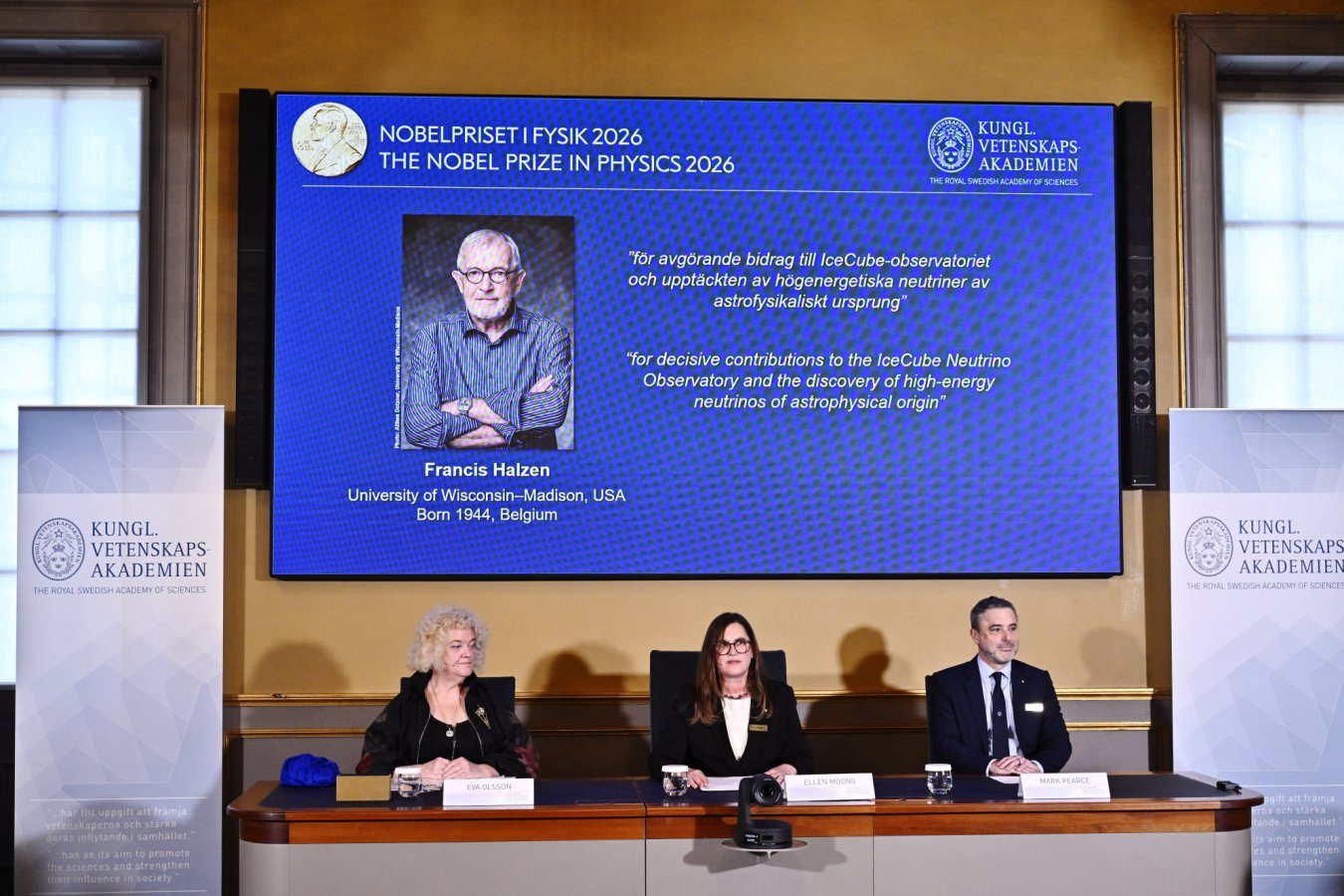
The Nobel Assembly at the Karolinska Institute in Stockholm announced the award on Monday, citing the laureates' role in establishing optogenetics as a transformative technology. The prize carries a monetary award and international recognition, and it places neuroscience at the center of this year's Nobel season.
Colleagues and scientific organizations praised the decision, noting that optogenetics has accelerated research across disciplines, from understanding how the brain processes fear to decoding the neural basis of addiction. The method's influence extends to other fields as well, including cardiology and immunology, where light-controlled cells are being tested for targeted therapies.
The 2026 medicine prize follows a tradition of honoring discoveries that reshape entire fields. Optogenetics now stands alongside other Nobel-winning breakthroughs in molecular biology and genetics, and its impact is expected to grow as researchers refine the technique and expand its applications.
The laureates will receive their awards at a ceremony in Stockholm on December 10, the anniversary of Alfred Nobel's death. In the coming months, they are expected to deliver lectures describing their work and the collaborative spirit that made optogenetics possible.
12