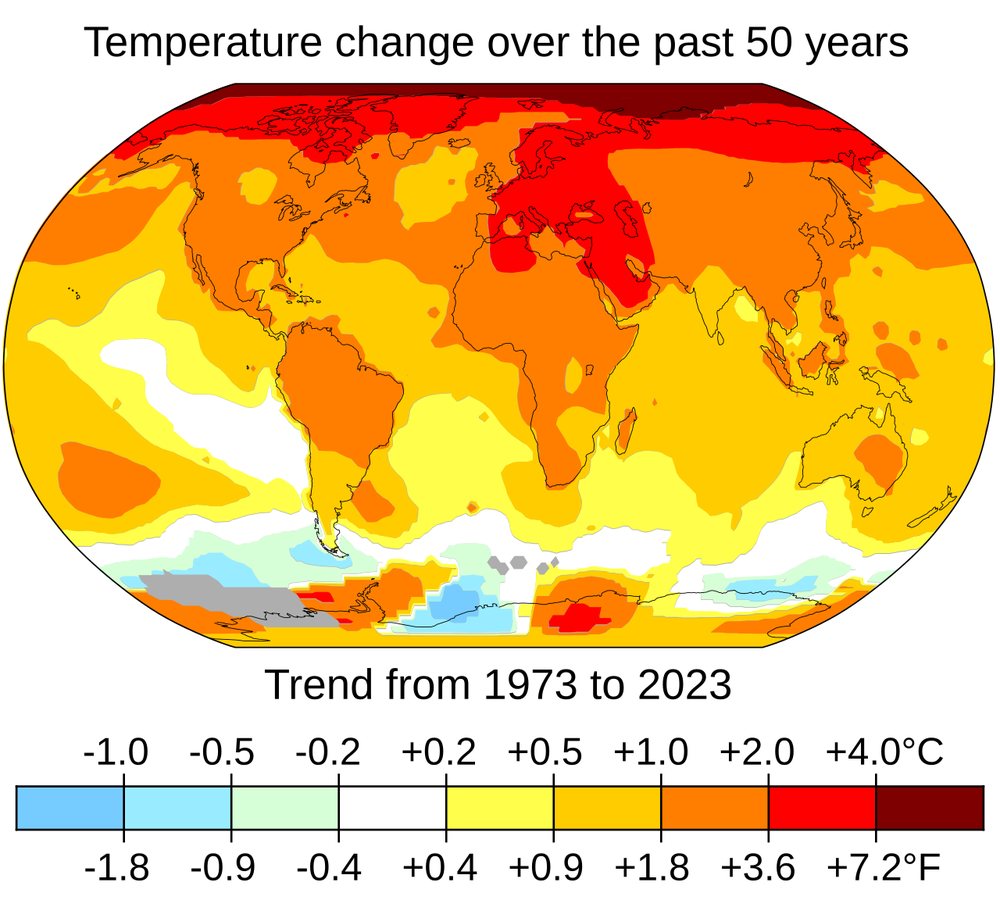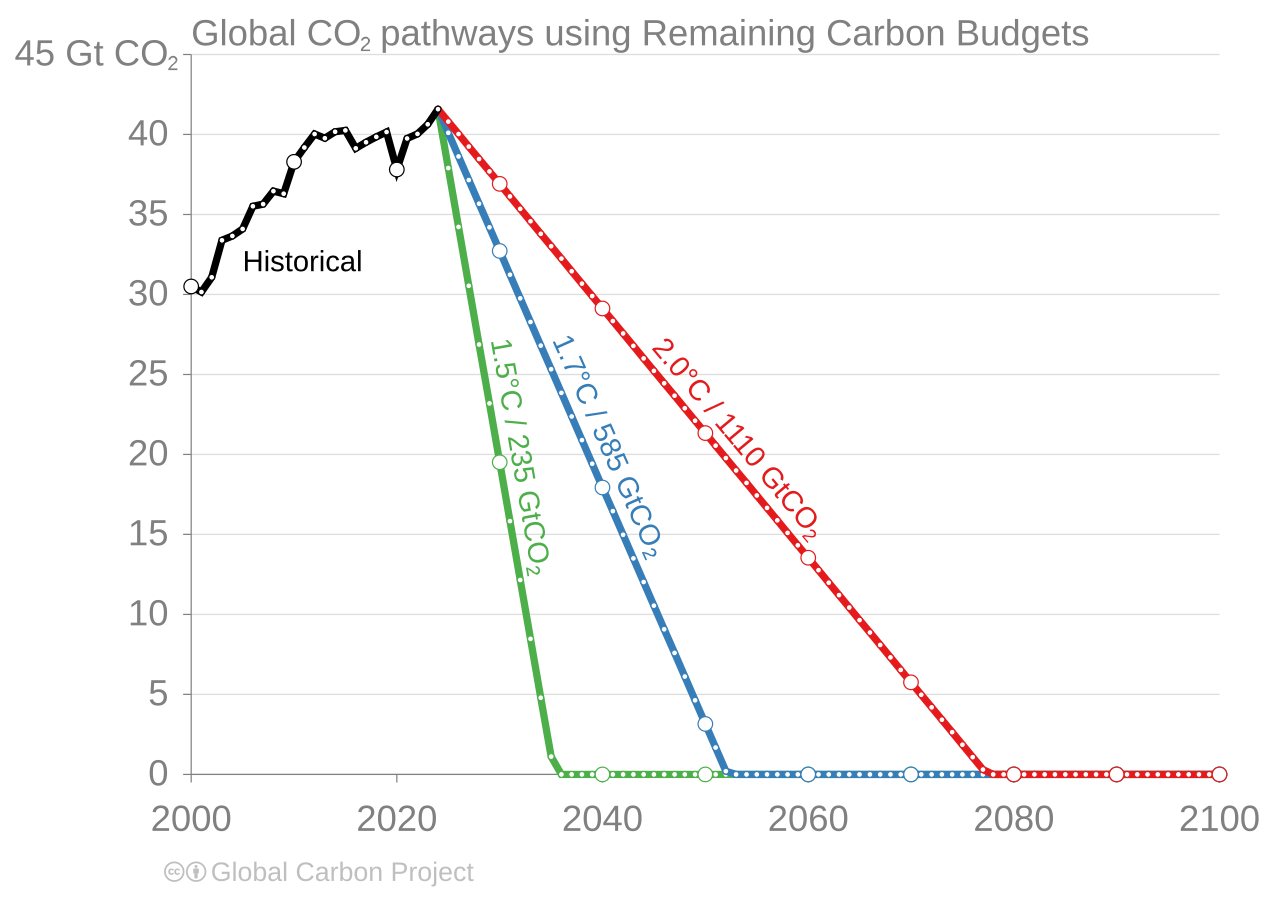
Reaching net zero emissions, the point at which greenhouse gases added to the atmosphere are balanced by those removed, would halt the rise in global temperatures. It would not, however, pull the planet back down. Once carbon is in the air it stays there for a long time, so a world that has stopped adding to it may still be left with the heat already trapped.
That gap is pushing some governments to look beyond net zero. A growing number of nations are now considering so-called net negative targets, which call for removing more carbon from the atmosphere than they emit. Such a goal would mean actively drawing down the carbon already present, rather than simply cutting new output.
The concern is that global temperatures could overshoot the 1.5 ºC limit set under the Paris Agreement before emissions are brought under control. If that happens, bringing temperatures back under the target would depend on removing carbon on a very large scale, and only after the overshoot has occurred. The reporting, published in Nature on 20 November 2026 as a news article, describes the required removal volumes as massive, though the figures are not set out in the material available.
Significant questions remain. The reporting does not say which countries are pursuing net negative goals, and it does not detail how feasible large-scale carbon removal is or what it would cost. What is clear is that the emphasis is shifting from stopping the rise in emissions toward the harder task of reversing the warming that has already occurred.
Credit. Based on reporting by James Dinneen for Nature. Is this your work? Write to us.
20