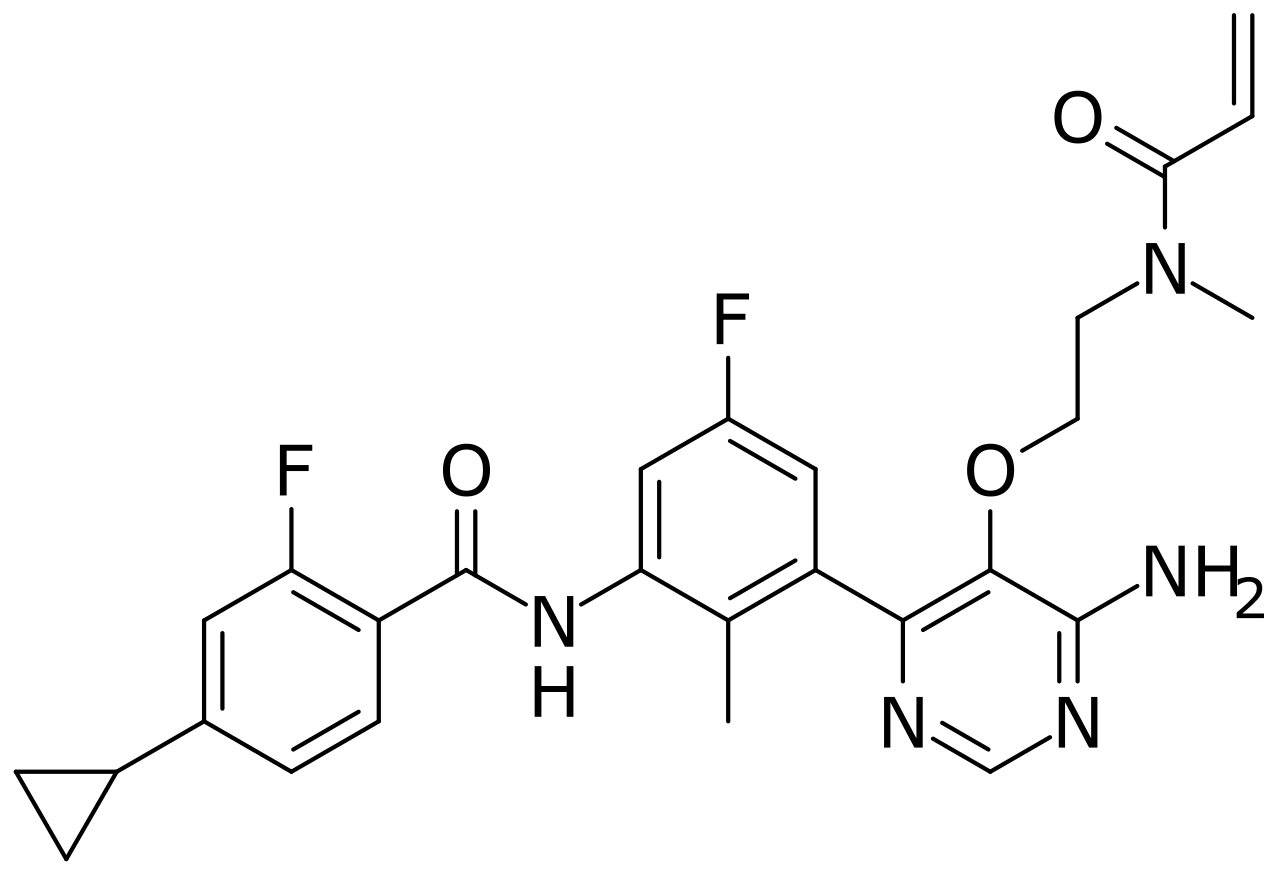
A new commentary published in The Lancet examines whether remibrutinib could become a disease-modifying treatment for relapsing multiple sclerosis, a question that has drawn growing interest among neurologists and researchers studying the disease.
Remibrutinib belongs to a class of drugs known as Bruton's tyrosine kinase, or BTK, inhibitors. These compounds work on B cells and on myeloid cells, including microglia, the immune cells that live inside the brain and spinal cord. Because the disease involves immune activity both in the bloodstream and within the central nervous system, the drug's potential lies in reaching targets on both sides of the blood-brain barrier. The commentary stresses that a key requirement is whether the drug can actually cross into the central nervous system to act where the damage occurs.
If that happens, the authors suggest, the treatment could help slow the progression of the disease rather than only reducing the frequency of relapses. Multiple sclerosis is a chronic condition in which the immune system attacks the protective myelin sheath around nerve fibers, and current therapies have been far more effective at controlling flare-ups than at halting the gradual decline that many patients experience over time.
The commentary places remibrutinib alongside three other BTK inhibitors that have been reported in clinical trials: evobrutinib, tolebrutinib and fenebrutinib. The results of those trials have now been published, giving researchers a broader body of evidence to compare across the class. Yet the picture remains unsettled. It is still unclear how much these drugs will change outcomes for people with relapsing and progressive forms of the disease, and the commentary notes that the clinical role of the entire class is still being debated.
For patients and clinicians, the central question is therefore practical rather than theoretical: whether BTK inhibitors can deliver meaningful, lasting benefit beyond what existing treatments already provide. The answer will depend on further evidence about how effectively these drugs reach the brain and how well that activity translates into slower disease progression.
Credit. Based on reporting for The Lancet. Is this your work? Write to us.
14