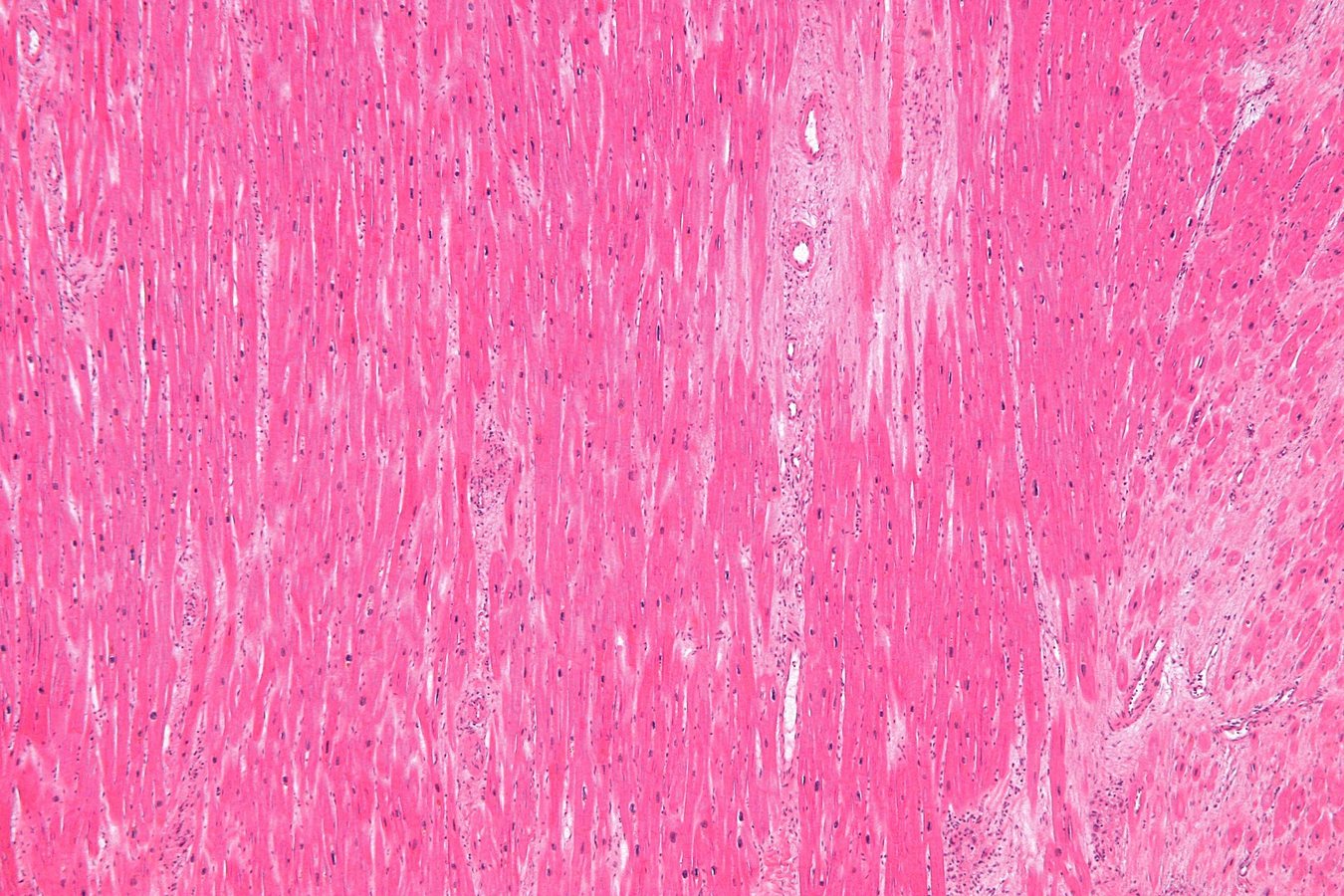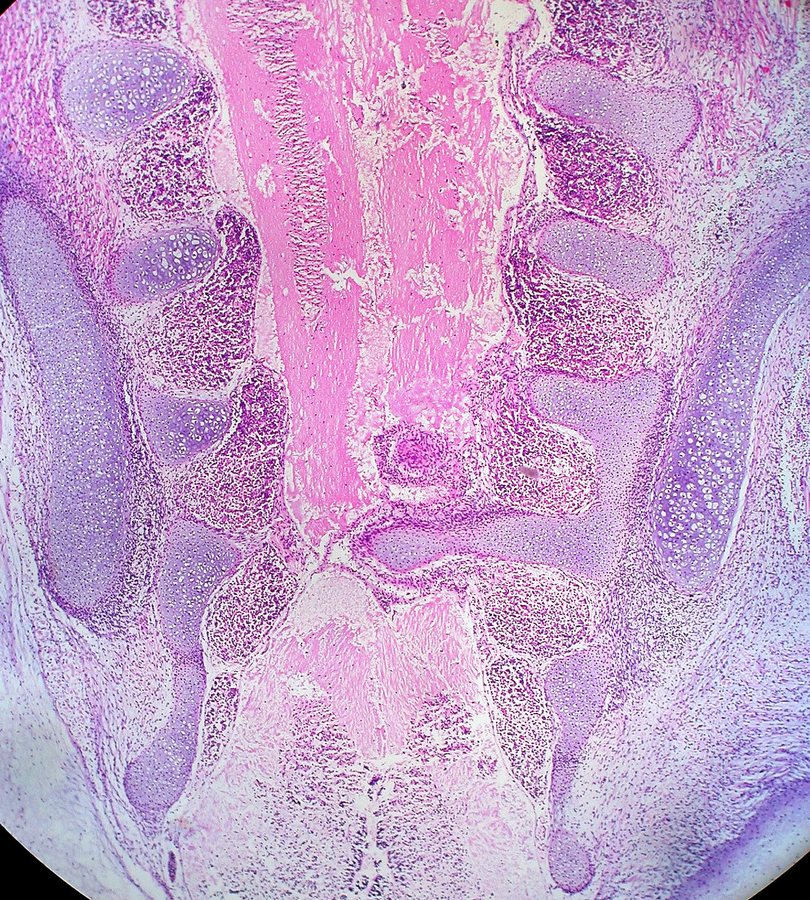
An existing osteoporosis medication prevented spinal damage in a new laboratory study, offering a possible new direction for treating one of the most common causes of chronic back pain. The work, reported by Science Daily, was carried out on zebrafish rather than people, so its relevance to human patients has not yet been established.
The research began with a genetic finding that the team did not expect. Investigators identified a link between a particular gene and spinal degeneration, the gradual breakdown of the spine that is a major source of long-term back discomfort. The result surprised the researchers, who then turned to a question with immediate practical appeal: whether a drug already approved for another condition could interfere with the process.
The team tested an osteoporosis drug, a class of medication normally used to strengthen weakened bones. In the zebrafish, the drug prevented the buildup of harmful minerals in the spine, the change that accompanied the degeneration in the animals. That suggests the treatment may be able to slow or prevent the damage rather than only easing symptoms.
Significant gaps remain. The summary of the work does not name the specific gene or drug, and it does not describe dosing or the biological mechanism behind the effect. Most importantly, the drug's effectiveness and safety in humans have not been tested. Any move toward clinical use would require further research before the findings could be applied to patients living with spinal degeneration.
Credit. Based on reporting for ScienceDaily. Is this your work? Write to us.
19