Alpha-gal syndrome is an unusual food allergy because it is triggered by a sugar molecule rather than a protein and can appear after certain tick bites. People who develop the condition may experience delayed allergic reactions after eating mammalian meat or other products containing alpha-gal. Avoidance is the main strategy today because there is no widely available treatment that specifically blocks the allergy.
A study in the Journal of Clinical Investigation has identified a possible molecular route. Researchers isolated 42 monoclonal antibodies that recognize alpha-gal and then tested whether any could interfere with the allergic pathway. Thirteen bound alpha-gal-containing allergens, and two were able to block patient IgE from binding to relevant targets in laboratory assays. One antibody, AG028, also suppressed activation of basophils, immune cells involved in allergic reactions.
The logic is competitive. In alpha-gal syndrome, IgE antibodies recognize alpha-gal and can trigger mast cells and basophils to release inflammatory mediators. A monoclonal antibody that occupies the relevant structures without triggering the same allergic cascade could potentially prevent IgE from gaining access. That is a different strategy from broadly suppressing the immune system or treating symptoms after a reaction begins.
The work remains at an early laboratory stage. Blocking IgE binding in a test system is not the same as preventing anaphylaxis in a person. A therapeutic antibody would have to remain in the bloodstream at an effective concentration, avoid creating new immune problems and work across the variety of foods, medicines and biological products that can contain alpha-gal. Researchers would also need to determine how frequently it must be administered and whether it can protect against the delayed timing that makes alpha-gal reactions distinctive.
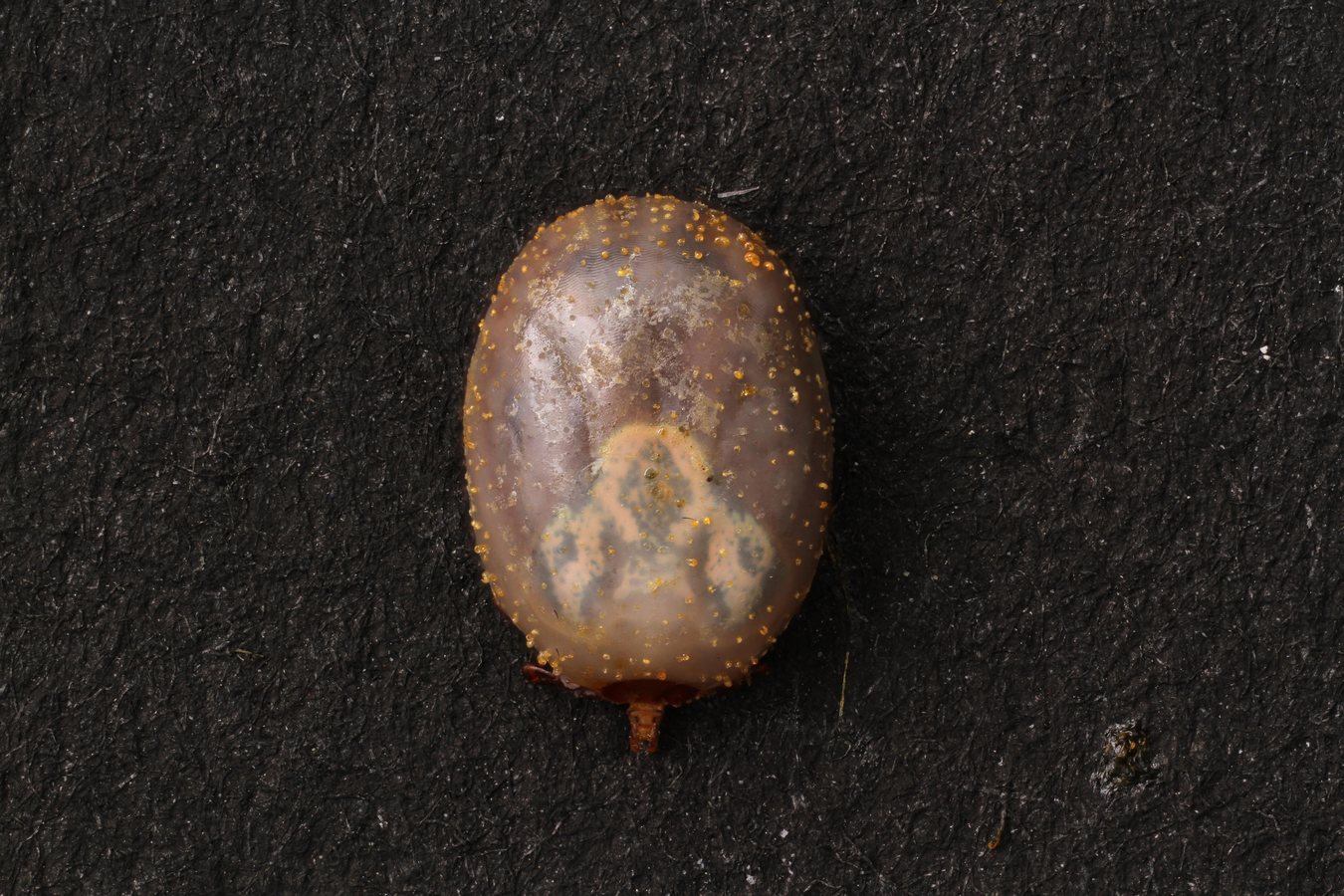
The discovery is nevertheless useful because alpha-gal syndrome has become an increasingly recognized consequence of tick exposure, particularly in regions where the lone star tick and related species are common. The condition can be difficult to diagnose because symptoms may occur hours after eating rather than immediately. For some patients, avoiding all relevant exposures is complicated by hidden mammalian-derived ingredients.
Future work will likely move through animal testing and safety studies before any human trial. The most important question is whether competitive antibodies can prevent clinically meaningful reactions without interfering with normal immune function.
If that approach succeeds, alpha-gal syndrome could become an example of precision allergy treatment: instead of asking the patient to avoid an entire category of foods indefinitely, a drug would intercept the specific antibody-allergen interaction that produces the reaction. The current study provides the molecular candidates, not yet the therapy.
83