Scientists have identified the genetic cause of a mysterious blood group antigen first detected in 1972, solving a puzzle that has persisted for more than five decades and establishing a new human blood group system called MAL. The discovery could make it significantly easier to identify the extremely rare individuals who are AnWj-negative and protect them from potentially dangerous transfusion reactions.
The AnWj antigen was originally discovered on red blood cells, but its genetic origins remained unknown for 50 years. Researchers have now determined that the antigen is carried by the MAL protein, a small molecule found in the membrane of red blood cells and other tissues. The finding establishes MAL as a new blood group system, adding to the more than 40 blood group systems already recognized by the International Society of Blood Transfusion.
For most people, the AnWj antigen is present on their red blood cells. However, a small number of individuals are AnWj-negative, meaning they lack the antigen. If these individuals receive blood from an AnWj-positive donor, they can mount an immune response that leads to transfusion reactions, which may range from mild to life-threatening. Identifying AnWj-negative patients and donors has historically been difficult because the underlying genetics were unknown, limiting the availability of reliable testing and compatible blood units.
The new discovery provides a genetic marker for the AnWj-negative phenotype. By analyzing the MAL gene, clinicians and blood banks can now identify AnWj-negative individuals with greater accuracy and speed. This is particularly important for patients who require repeated transfusions, such as those with sickle cell disease or thalassemia, who are at higher risk of developing antibodies against minor blood group antigens.
The research team behind the finding suggests that the MAL blood group system could also have implications beyond transfusion medicine. The MAL protein is involved in cellular transport and is expressed in various tissues, including the kidney and the nervous system. Understanding how the protein functions and how its variants affect human health may open new avenues for research into kidney disease and other conditions.
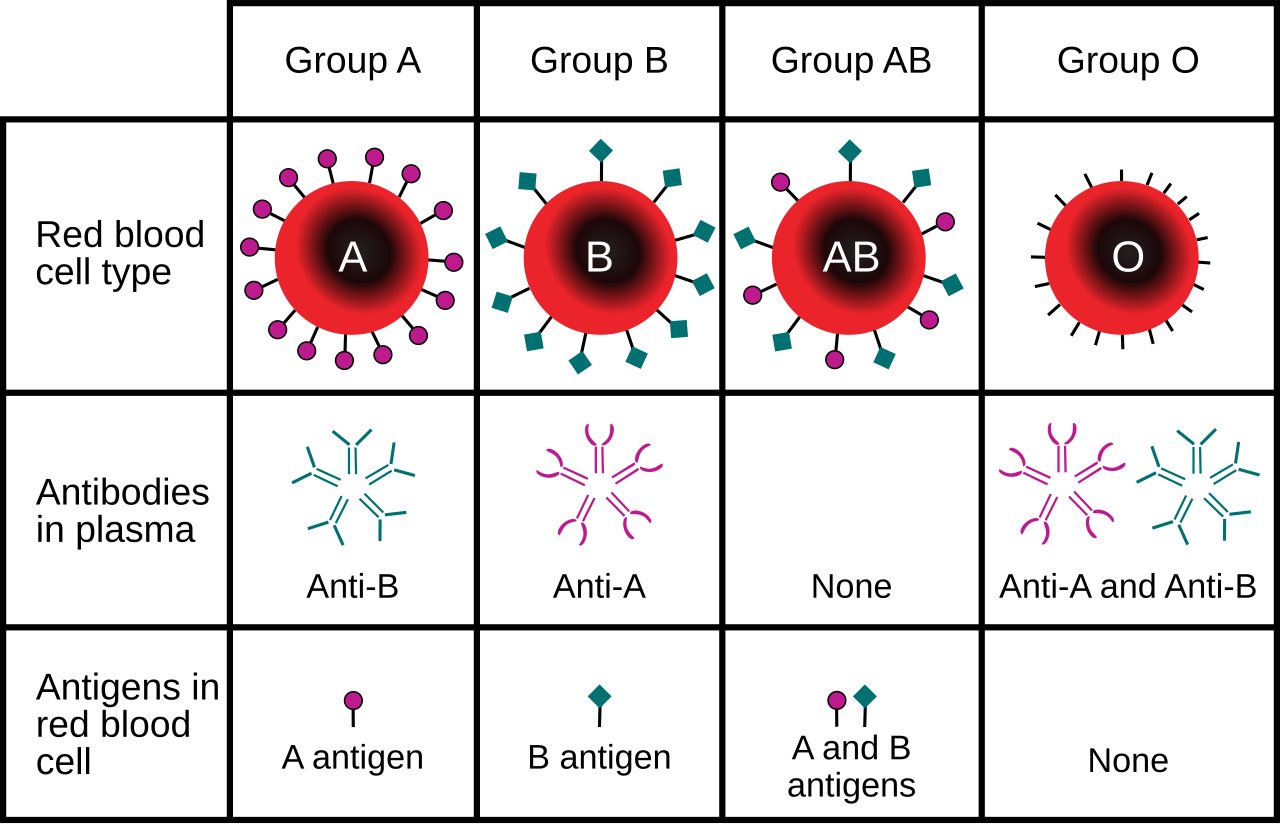
Blood group systems are defined by the presence or absence of specific antigens on the surface of red blood cells. To date, more than 350 red blood cell antigens have been described, grouped into over 40 systems. The discovery of a new system is rare, and the resolution of the AnWj mystery marks a significant milestone in immunohematology.
The findings are expected to improve blood transfusion safety and help blood banks manage rare donor registries more effectively. For patients who are AnWj-negative, the ability to confirm their status through genetic testing could reduce the risk of incompatible transfusions and simplify the search for suitable blood donors. The researchers emphasize that the discovery does not change routine blood typing for the general population but offers a critical tool for a small, vulnerable group.
Further studies are needed to determine the prevalence of AnWj-negative individuals in different populations and to explore the full clinical significance of the MAL blood group system. The team plans to investigate how MAL variants influence the expression of the antigen and whether other rare blood group mysteries can be solved using similar genetic approaches.