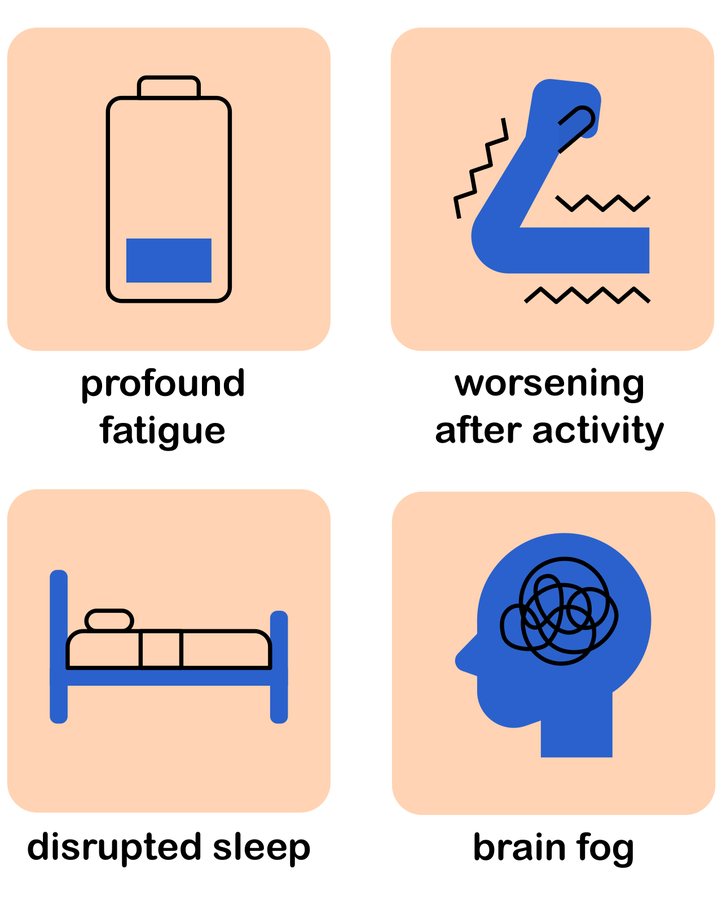
Scientists have proposed what they describe as a unifying biological explanation for a group of five conditions that have long puzzled physicians: long Covid, ME/CFS, PTSD and two other seemingly unrelated disorders may all disrupt many of the same networks governing immunity, metabolism and cellular energy. The findings, reported in a new study, could help explain why patients with these conditions often share symptoms such as profound fatigue, cognitive difficulties and exercise intolerance, and may open the door to new blood tests and treatments.
The research focused on identifying common biological pathways rather than treating each condition as an isolated disease. According to the findings, the five conditions appear to converge on overlapping disruptions in how the body regulates immune responses, produces and uses energy at the cellular level, and manages metabolic processes. That convergence, the scientists suggest, may be the reason the conditions produce such similar clinical pictures despite having different triggers and diagnostic labels.
The implications for patients could be significant. If the same underlying networks are involved, then a single blood test or biomarker panel might eventually be able to detect the shared dysfunction, potentially allowing doctors to diagnose patients more quickly and accurately. Currently, conditions such as ME/CFS and long Covid are often diagnosed only after other explanations have been ruled out, a process that can take months or years and leave patients without clear answers or targeted care.
The findings may also reshape how researchers approach treatment. Rather than developing separate therapies for each condition, scientists could focus on interventions that target the shared immune, metabolic and energy-related pathways. That approach could accelerate clinical trials and make it more feasible to test promising drugs across multiple patient groups at once, a strategy that has been difficult to pursue when each condition is studied in isolation.
The study adds to a growing body of research suggesting that post-infectious and stress-related conditions are not purely psychological or unexplained. Instead, they appear to involve measurable biological changes that can be studied, compared and potentially corrected. For patients who have often faced skepticism or a lack of effective options, the idea of a unifying theory offers both a scientific framework and a measure of validation.
Still, the scientists caution that the work is a step toward understanding, not a finished treatment. The overlapping networks identified in the study will need to be confirmed in larger groups of patients, and researchers will have to determine whether the shared disruptions are a cause of the symptoms, a consequence of the conditions, or both. The next phase of research is expected to focus on validating potential biomarkers and testing whether existing or new therapies can meaningfully alter the biological pathways involved.
If the theory holds up, it could mark a turning point in how medicine classifies and treats a set of chronic illnesses that have historically fallen between specialties. By looking at what these conditions have in common rather than what separates them, researchers may be able to move faster toward tests and treatments that address the root biological problems shared by millions of patients.
13