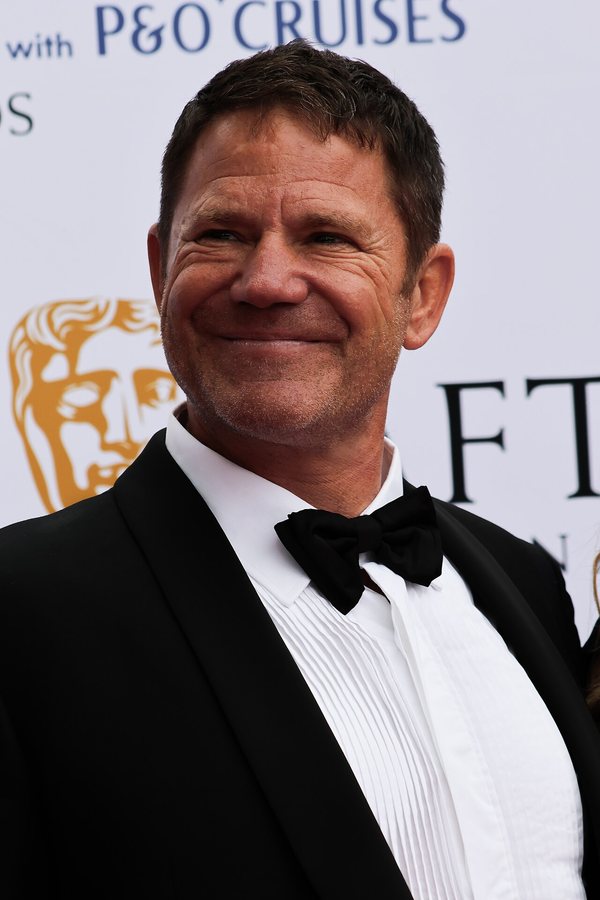
Naturalist and television presenter Steve Backshall has credited his childhood experiences with rescue animals as the foundation of his lifelong passion for the natural world, saying that early exposure to wildlife shaped both his career and his mission to inspire children.
Backshall, known for his work bringing wildlife and wild places into living rooms around the world, said that growing up with animals in need of care gave him a direct, hands-on connection to nature that formal education alone could not provide. That early immersion, he suggested, is the kind of experience that can turn a child's curiosity into a lasting commitment to conservation.
The presenter's remarks point to a broader question in science education and conservation: how to make nature feel relevant and exciting to a generation increasingly absorbed by screens and separated from the outdoors. Backshall's answer, drawn from his own life, is to present wildlife not as a distant or fragile subject but as something genuinely compelling — in his words, cool.
That approach has been central to his public work. By combining scientific accuracy with enthusiasm and a sense of adventure, Backshall has built a following that extends well beyond traditional nature documentary audiences. His programs and public appearances regularly introduce young viewers to creatures and ecosystems they might never encounter otherwise, from river systems to remote forests.
Conservation organizations have long argued that childhood experiences with nature are among the strongest predictors of environmental stewardship later in life. Research in environmental education has repeatedly found that direct contact with animals and wild places — whether through family pets, rescue work, or outdoor learning — can foster empathy for other species and a sense of responsibility for habitats under pressure.
Backshall's personal history with rescue animals fits that pattern. Caring for animals that had been abandoned or injured requires attention, patience, and a practical understanding of an animal's needs. Those lessons, he indicated, stayed with him and informed the way he communicates about wildlife today.
His message arrives at a time when biodiversity loss and habitat degradation are accelerating in many parts of the world. Scientists have warned that species are disappearing at rates far above natural background levels, driven largely by human activity including land conversion, pollution, and climate change. In that context, building public engagement — especially among young people — is seen by many conservationists as essential to sustaining political and financial support for protection efforts.
Yet the gap between children and nature has widened in many countries. Urbanization, parental concerns about safety, and the pull of digital entertainment have all been cited as factors reducing the time young people spend outdoors. Educators and conservation groups have responded with school programs, wildlife clubs, and family-oriented events designed to lower barriers to outdoor experience.
Backshall's emphasis on making nature appealing rather than merely alarming reflects a strategic choice. While the threats facing wildlife are severe, conservation communicators increasingly argue that hope and fascination motivate action more effectively than fear alone. Showing children that nature is exciting — that it is, in his framing, cool — can create the emotional investment that later translates into support for protected areas, species recovery, and sustainable practices.
His own trajectory, from a childhood filled with rescue animals to a career spent documenting wildlife, illustrates how early experiences can shape adult priorities. It also underscores a point that science educators have made for decades: that learning about the natural world is most powerful when it is personal, direct, and tied to real animals and real places.
For parents, teachers, and conservation groups, the implication is straightforward. Opportunities for children to interact with animals — through rescue organizations, nature centers, school gardens, or simply time in local parks and green spaces — may do more to build long-term environmental values than any single lesson or documentary.
Backshall's comments serve as a reminder that the future of conservation depends not only on policy and funding but also on whether the next generation grows up feeling connected to the natural world. By sharing his own story, he hopes to make that connection feel attainable — and, as he puts it, genuinely cool.
9