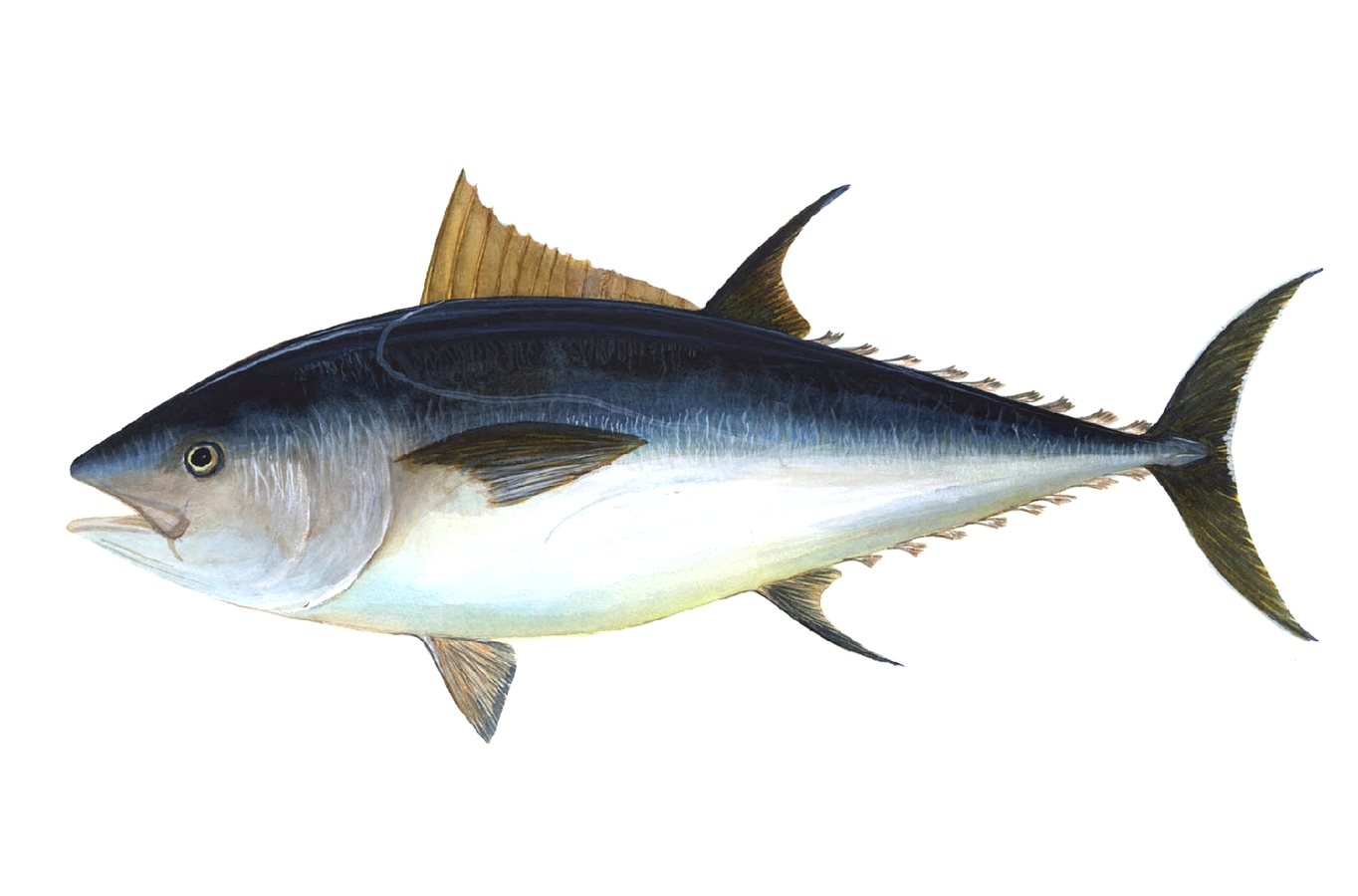
The return of bluefin tuna to British waters is being held up as proof that nature can recover when pressures ease, according to a major new report from the World Wide Fund for Nature. The conservation group says the reappearance of the large predatory fish off the UK coast is one of several wildlife recoveries documented in its latest assessment, offering a counterpoint to the generally grim picture of global biodiversity loss.
Bluefin tuna, once a common sight in the seas around Britain, had largely disappeared from the region by the middle of the twentieth century. Decades of intensive fishing across the Atlantic, combined with shifts in the availability of their prey, drove the species into steep decline. For years, sightings in UK waters were rare enough to be considered notable events. That pattern has changed in recent seasons, with increasing numbers of the fish observed in coastal waters, particularly off the southwest of England and around the Irish Sea.
The WWF report places the bluefin's comeback alongside other examples of species that have begun to recover following targeted conservation measures. While the group acknowledges that global wildlife populations continue to fall at an alarming rate, it argues that the tuna's return demonstrates that declines are not inevitable. Where fishing pressure is reduced, habitats are protected, and prey stocks recover, marine ecosystems can respond with surprising speed.
Scientists caution that the bluefin's resurgence should not be read as a full recovery. The species remains vulnerable across much of its range, and its return to UK waters may reflect broader shifts in ocean conditions and prey distribution as much as the success of any single policy. Warmer seas and changing currents have pushed many fish species northward, and bluefin are known to follow mackerel, herring, and other prey. The fish's presence in British waters is therefore both an encouraging sign and a reminder of how rapidly marine environments are changing.
The report's findings carry implications for fisheries management and conservation policy. Bluefin tuna is a highly valuable commercial species, and its reappearance has already sparked debate about whether UK fishermen should be allowed to target it. Conservationists argue that any renewed fishing must be strictly regulated to avoid repeating the mistakes that caused the collapse in the first place. They point to international management bodies, which set catch limits for the species across the Atlantic, as the key arena for deciding how the recovering population is treated.
WWF's broader message is that recovery is possible when governments, industries, and communities act together. The group highlights that many of the same pressures driving wildlife loss — overexploitation, habitat destruction, and climate change — can be addressed through coordinated effort. The bluefin tuna, a fast-swimming predator that can weigh hundreds of kilograms and cross entire ocean basins, serves as a particularly visible symbol of that argument.
For UK waters, the return of the tuna has also become a cultural and economic story. Wildlife watchers and tour operators have reported growing interest in seeing the fish, which can be spotted during summer months when they chase shoals of prey close to the surface. Some coastal communities see an opportunity in eco-tourism, while others worry about the impact on smaller fish stocks and the livelihoods that depend on them.
The WWF report does not claim that the bluefin's return signals a broader turnaround in the health of the oceans. Instead, it presents the case as a rare example of what can happen when a species is given breathing room. The group calls for stronger protections for marine habitats, better enforcement against illegal fishing, and policies that account for the shifting distributions of fish as the climate warms. Whether the bluefin becomes a lasting success story or a temporary visitor may depend on decisions made in the coming years.
11