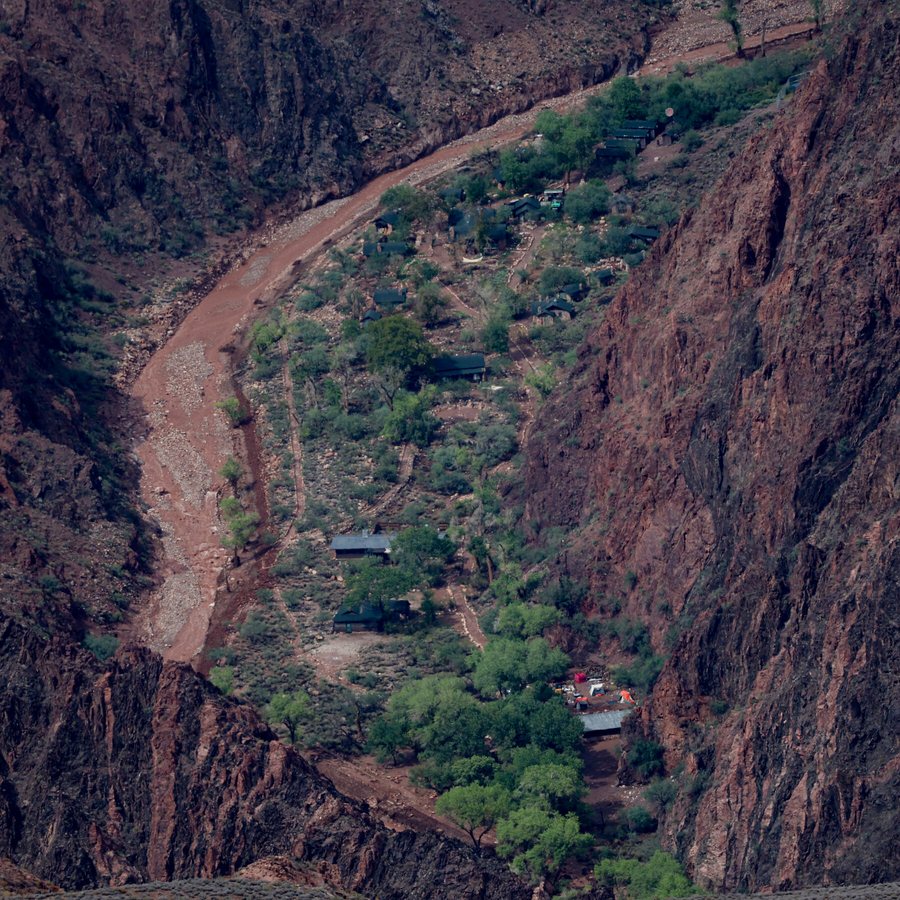
A deadly flash flood tore through Phantom Ranch, the remote lodge at the bottom of the Grand Canyon, killing two people and forcing the rescue of nearly 80 others. The incident struck the area along Bright Angel Creek, where it meets the Colorado River, a site that has served as a crucial refuge for hikers for more than a hundred years.
Phantom Ranch holds a singular place in American outdoor history. Established with the support of Theodore Roosevelt, the cluster of cabins has welcomed exhausted, overheated, and sometimes injured hikers making the arduous trek to the canyon floor. Over the decades, its reputation grew to near-mythical status among those who brave one of the nation's most spectacular and unforgiving landscapes. The lodge has also hosted some of the most famous names in history, serving as a solitary outpost of comfort in an otherwise stark environment.
The flash flood that caused the fatalities and injuries underscores the sudden violence that weather can unleash in the canyon. The region's monsoon season, which brings intense, localized downpours, can rapidly transform normally dry washes and quiet creeks into raging torrents. The narrow, steep-walled topography of the canyon funnels water with tremendous force, creating a particular hazard for those on the ground. The event has drawn attention to the delicate balance between the canyon's beauty and its inherent dangers.
Rescue operations involved a coordinated effort to reach and evacuate the dozens of people caught in the flood's path. The remote location of Phantom Ranch, accessible only by foot, mule, or raft, complicates any emergency response. The successful evacuation of nearly 80 individuals highlights the skill of park personnel and emergency teams who must navigate the challenging terrain to provide aid. The two deaths serve as a stark reminder of the power of natural forces, even in a place so familiar to park rangers and regular visitors.
The history of Phantom Ranch is intertwined with the development of the Grand Canyon as a national destination. Its establishment marked an early effort to make the canyon's depths accessible to a wider public, providing a safe haven for those attempting the demanding journey. The lodge's continued operation, despite the inherent risks of its location, speaks to its enduring significance. For many, reaching Phantom Ranch is a milestone, a sign that the hardest part of the trek is over and that rest and refreshment are at hand.
The recent flood adds a new chapter to the site's long story, one that contrasts its legacy of refuge with the raw power of the environment it sits within. As investigations into the incident continue, the focus remains on the victims and the community of hikers and staff who were caught in the sudden disaster. The canyon, as it has for centuries, will continue to demand respect from those who venture into its depths.
164