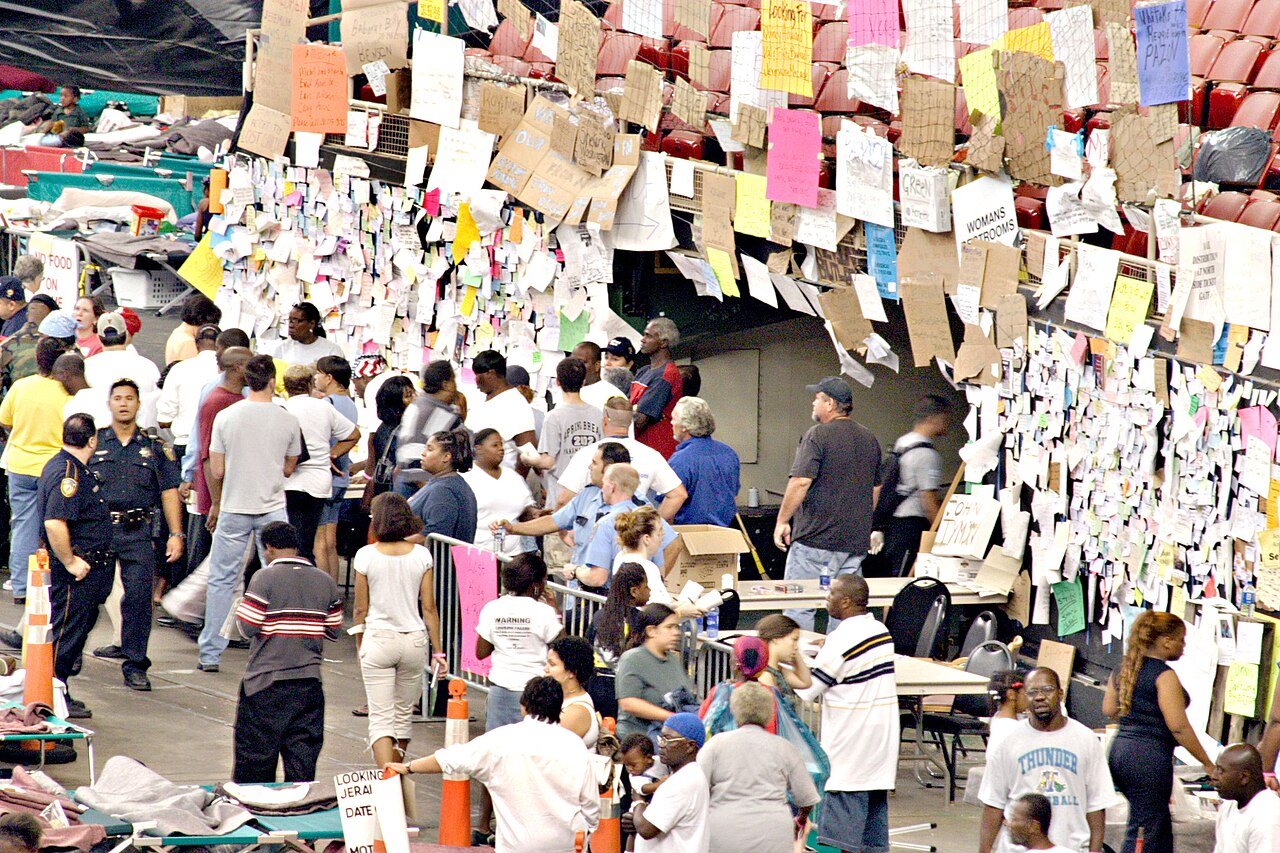
The latest episode of the National Geographic documentary series «Hurricane Katrina: Race Against Time» turns its lens on the desperate days when thousands of New Orleans residents found themselves trapped in their homes by rising floodwaters, while others were directed to the Superdome in a bid to survive one of the most destructive natural disasters in American history.
The episode, titled «A Desperate Place,» documents the persistence of rescue operations as the scale of the catastrophe became clear. Directed by Traci A. Curry and executive produced by Ryan Coogler, the installment is part of a series that reexamines the 2005 hurricane and its aftermath through firsthand accounts and archival footage. The filmmakers say the episode seeks to capture the inspiring stories of resilience that emerged even as much of the national media narrative focused on violence and disorder in the flooded city.
Hurricane Katrina made landfall on the Gulf Coast on August 29, 2005, breaching the levees that protected New Orleans and flooding about 80 percent of the city. The storm killed more than 1,800 people across the region and caused tens of billions of dollars in damage, making it one of the costliest and deadliest hurricanes in U.S. history. In the days that followed, tens of thousands of residents who had not evacuated were left stranded on rooftops, in attics, and in shelters of last resort.
The Superdome, which served as a shelter of last resort for roughly 20,000 to 30,000 people, became a focal point of the crisis. Conditions inside deteriorated rapidly as power failed, supplies ran short, and temperatures soared. The documentary series places these events in context, showing how the storm exposed deep inequalities in the city and how residents, first responders, and volunteers mounted improvised rescues under extreme conditions.
«A Desperate Place» is the third episode of the series, which is available on Disney+. The production team, working with National Geographic, draws on interviews with survivors, emergency workers, and officials to reconstruct the timeline of the disaster and the human decisions that shaped its outcome. The series has been noted for its focus on the experiences of ordinary people caught in the storm, rather than solely on the political and institutional failures that followed.
The episode also addresses the media environment of the time, in which reports of looting and lawlessness often overshadowed the ongoing rescue efforts. The filmmakers argue that these narratives distorted public understanding of what was happening on the ground and added to the trauma of survivors. By foregrounding acts of courage and mutual aid, the series aims to offer a more complete picture of how communities responded to the crisis.
National Geographic has positioned the series as part of its broader mission to document significant events in American history through rigorous storytelling. The documentary joins a growing body of work revisiting Hurricane Katrina two decades after the storm, as researchers, journalists, and filmmakers continue to assess its legacy in terms of disaster preparedness, climate risk, and social justice.
For viewers, «A Desperate Place» serves as both a historical record and a reminder of the human capacity for endurance. The episode underscores how, in the face of overwhelming destruction, residents of New Orleans found ways to help one another, often at great personal risk. The series as a whole seeks to ensure that these stories are not lost amid the broader narrative of failure and loss.
80