High winds associated with El Niño could prove deadly for trees across England that have already been weakened by a summer of extreme heat and drought, experts have warned. The head of tree collections at the Royal Botanic Gardens, Kew, said he was «very worried about this autumn» as the combination of brittle branches and strong gusts could lead to widespread damage and mortality among vulnerable species.
Much of Europe has been scorched this summer by a series of record-breaking heatwaves driven by the climate crisis. Across large parts of the English countryside, once-green landscapes have turned brown, and many trees are showing signs of «early autumn» — wilting and shedding leaves prematurely as a survival response to extreme temperatures. While this early leaf loss helps trees conserve water, it also leaves them in a weakened state, less able to withstand mechanical stress from high winds.
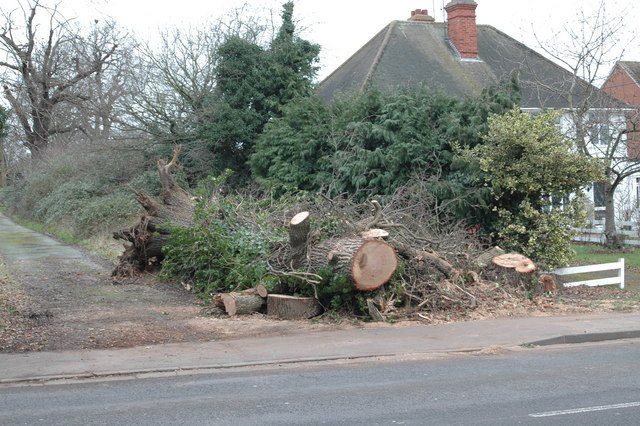
The concern is that El Niño, a natural climate pattern that can intensify weather extremes around the globe, could bring strong winds to the UK in the coming months. Trees that have spent months coping with drought are more likely to suffer broken limbs or to be uprooted entirely when hit by gusts they would normally withstand. Experts point out that stressed trees are also more susceptible to pests and diseases, compounding the risk of long-term damage to woodlands, urban forests, and historic garden collections.
Kew Gardens, home to one of the world's most diverse tree collections, is particularly vulnerable. Many of its specimens are rare or ancient, and some have been growing for centuries. The loss of even a handful of these trees would be a significant blow to both biodiversity and scientific research. The institution has been monitoring the health of its trees closely, but the combination of drought stress and autumn storms presents a challenge that is difficult to mitigate.
The situation in England reflects a broader pattern across Europe, where forests and urban trees are increasingly under pressure from climate change. Prolonged heatwaves have become more frequent and intense, and their effects are compounded by other stressors such as water scarcity and the spread of invasive pests. Scientists say that trees, which play a vital role in absorbing carbon dioxide and supporting ecosystems, are among the most visible casualties of a warming world.
While the immediate focus is on the coming autumn, experts are also calling for longer-term strategies to protect tree populations. This includes planting more resilient species, improving soil health, and managing woodlands in ways that reduce the impact of drought and wind. The warning from Kew is a reminder that the effects of climate change are not limited to distant regions or future decades — they are already reshaping the landscapes we live in, and the trees that have stood for generations are now at risk.
113