France’s natural environment is still deteriorating overall, even though some targeted conservation measures are producing measurable improvements, according to a new national assessment. The mixed picture challenges the idea that the country’s environmental situation is uniformly bad — and shows that political decisions can make a tangible difference when they are applied consistently.
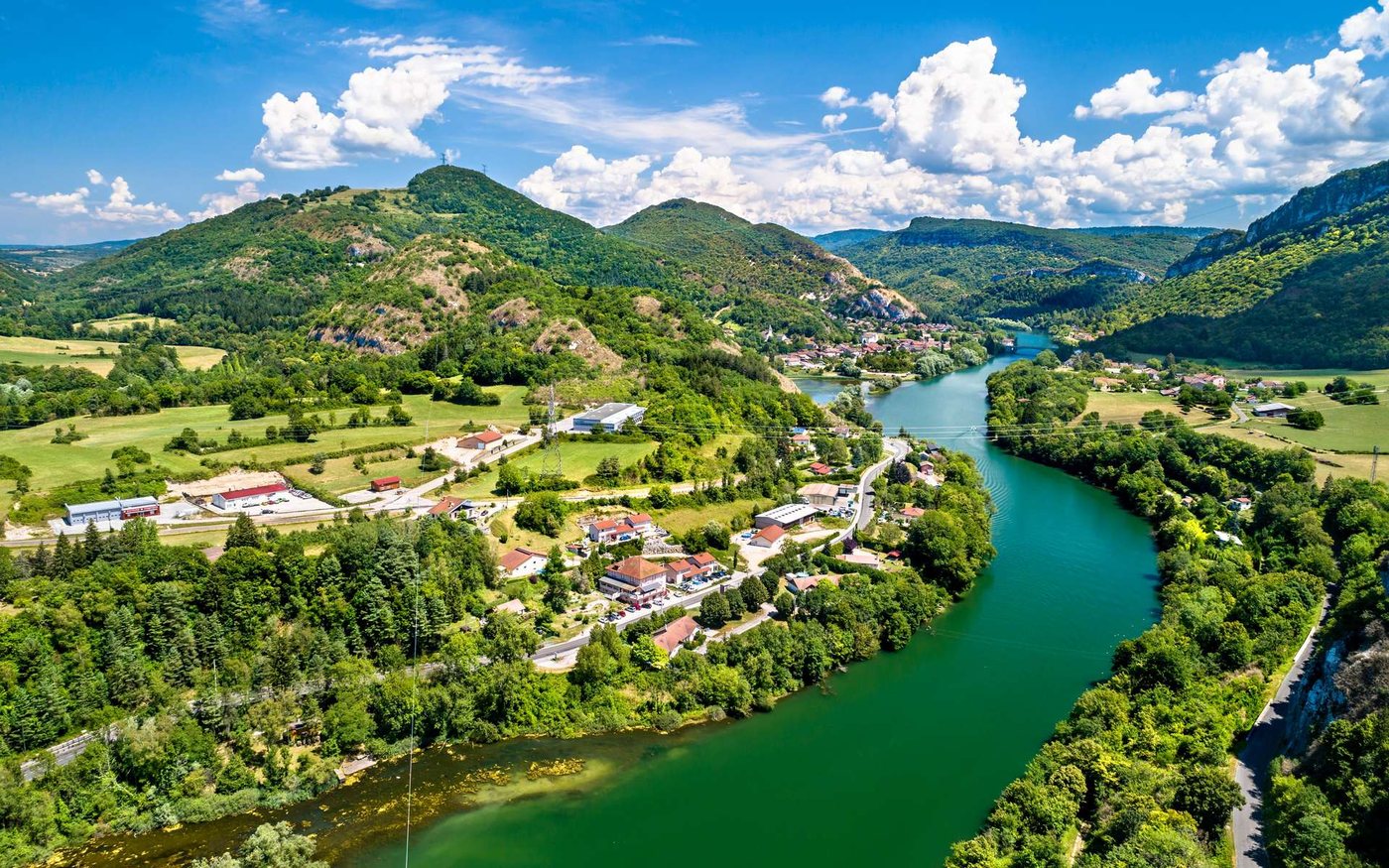
The assessment, which draws together a wide range of ecological indicators, describes a landscape under sustained pressure. Natural habitats are shrinking, many native species are in decline, and the ecosystems that remain are increasingly fragmented by infrastructure, intensive agriculture and urban expansion. These pressures are not new: they reflect decades of land-use change that has gradually eroded the natural heritage of the country.
At the same time, the report highlights several areas where conditions have improved. In particular, certain measures taken at national or European level have led to recovery in some bird populations, better water quality in specific river basins, and the restoration of selected natural zones. These gains, the report argues, demonstrate that environmental policy can work when it is backed by clear objectives and followed through over a long period.
One of the most striking findings concerns the contrast between protected areas and ordinary landscapes. Within nature reserves and other protected sites, many species have stabilized or even rebounded. Outside those boundaries, however, the same species continue to lose ground. The gap suggests that conservation efforts are currently too limited in scope to counteract the broader pressures affecting the wider countryside.
Bird populations are often used as a particularly revealing indicator because they respond quickly to changes in land use and farming practices. Farmland birds have been among the hardest hit, with several species experiencing significant population declines over recent decades. The main drivers identified in the assessment include the intensification of agriculture, the widespread use of pesticides, the disappearance of hedges and grassy margins, and the general homogenization of rural landscapes.
The assessment also draws attention to the state of wetlands, grasslands and other semi-natural habitats. These environments support a large share of the country’s biodiversity but have been reduced and degraded over time. Drainage, conversion to cropland, and urban encroachment have all played a role. The result is not only a loss of species but also a weakening of the ecosystem services that these habitats provide, such as flood regulation, water purification and carbon storage.
Climate change adds another layer of pressure. Rising temperatures and shifting rainfall patterns are altering the conditions that many species depend on. Some are already moving to higher latitudes or elevations, but others — especially those confined to small or isolated sites — may be unable to keep pace. The assessment notes that climate effects increasingly interact with habitat fragmentation, reducing the ability of species to adapt by moving across the landscape.
Despite the overall negative trend, the report emphasizes that progress is achievable. Several successful examples show that well-designed protection measures can reverse declines. The recovery of certain bird species under targeted conservation programs, the improvement of water quality following limits on pollution, and the restoration of degraded habitats through public funding all suggest that the trajectory is not fixed. The question, according to the assessment, is one of scale: whether these successful measures can be expanded enough to have a significant impact at the national level.
The findings come at a time when biodiversity is receiving increasing attention in public debate, both in France and across Europe. The report does not offer simple solutions, but it does provide a detailed baseline for measuring future progress. By combining warnings about ongoing losses with evidence that some policies are working, it offers a more nuanced picture than a purely catastrophic one — and a clear message that the future of French nature depends on decisions made today.