After a stretch of unusually pleasant summer weather, Los Angeles residents are now contending with a less welcome shift: rising humidity and a surge in mosquitoes. The change has been noticeable across coastal Southern California, where the typically dry summer air has given way to stickier conditions that have made even mild temperatures feel heavier and have created ideal breeding grounds for the insects.
Meteorologists do not track humidity as closely as they do temperature, but the available data points to a pattern of more humid air than usual in the region. The trend is consistent with broader observations of changing summer conditions along the California coast, where marine moisture and shifting weather patterns have occasionally produced muggier spells even as inland areas bake under extreme heat.
The humidity spike comes as the wider American south-west endures a punishing heat dome. Forecasters with the National Weather Service have warned that more than 45 million people across the region face daytime highs of 110 to 115 degrees Fahrenheit (43 to 46 degrees Celsius) through late August and into early September, with limited relief even at night. Wildfires are burning in parts of the region, and experts say some record highs could be tied or broken before the heat eases.
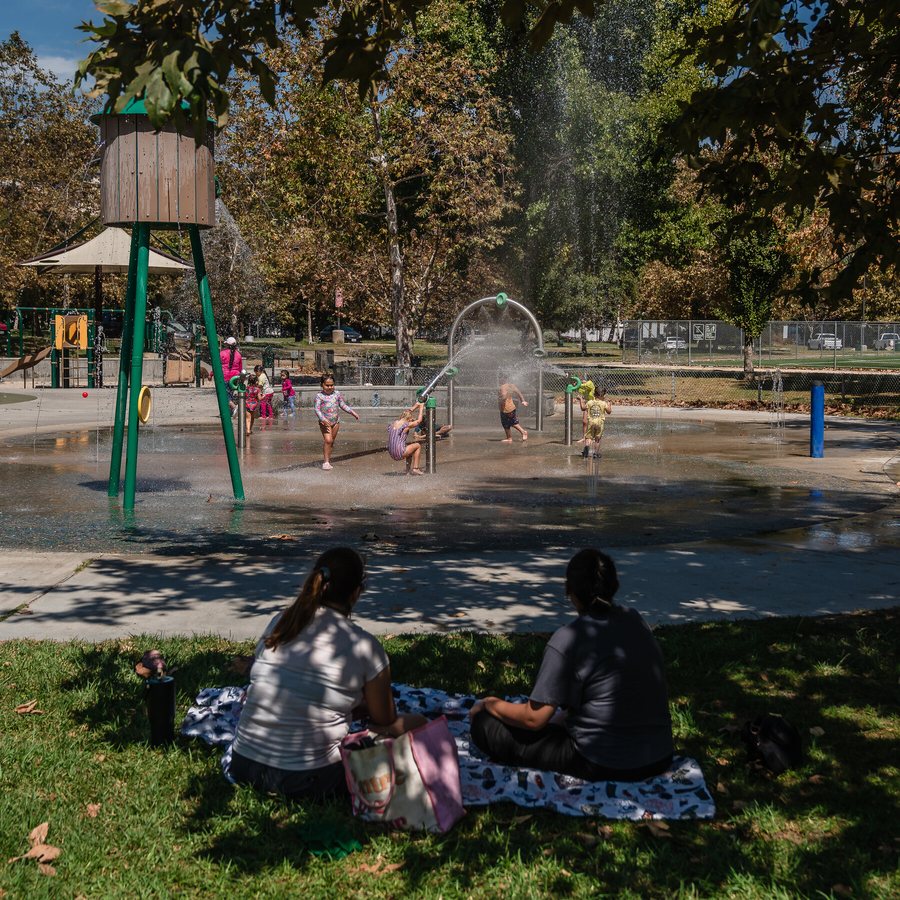
In Los Angeles, the contrast is stark. While inland communities swelter, the coastal strip has seen a summer that many residents described as close to perfect, with mild temperatures and cool ocean breezes. That comfortable stretch, however, has now been interrupted by the arrival of humid air, which has made evenings feel warmer and has coincided with a noticeable increase in mosquito activity.
The insects thrive in warm, damp conditions, and the recent humidity has provided favorable conditions for breeding. Public health officials in the region have long warned that standing water, even in small amounts, can become a mosquito breeding site, and the current weather has amplified those concerns. The combination of mild temperatures and moisture has extended the window in which mosquitoes can reproduce, leading to more encounters with the pests in parks, backyards, and near waterways.
For residents, the practical effects are familiar: more bites, more itching, and a greater need for repellent. But the shift also carries broader implications. Humid summers, if they become more common, could affect everything from outdoor recreation to public health planning. Mosquito-borne diseases, while still relatively rare in the region, are a recurring concern for local agencies, and wetter conditions can increase the risk of transmission.
The current spell of humidity is not expected to last indefinitely, and forecasters say the region will likely return to drier conditions before the end of the season. But the episode has underscored how even a mild summer can be disrupted by changes in atmospheric moisture, and how closely the comfort of daily life is tied to patterns that meteorologists are only beginning to track in detail.
For now, Angelenos are adapting as best they can, trading the perfect summer days for a stickier, buggier stretch that serves as a reminder of the region's complex relationship with its climate.
132