A former dumping ground for dredgings from the Manchester Ship Canal has become the best place in Britain for the rare black-necked grebe, hosting 64 percent of the country's breeding population. The site, Woolston Eyes in Cheshire, has been transformed since 2021 into a mosaic of freshwater pools, reedbeds, willow scrub, and rough grassland, managed jointly by the RSPB and the Woolston Eyes Conservation Group.
The restoration marks a striking reversal of fortune for an area once considered an industrial waste site. Canal dredgings had been deposited there for decades, leaving a landscape that seemed unlikely to support significant wildlife. Conservationists, however, saw potential in the nutrient-rich substrate and set about reshaping the terrain into a series of shallow pools and wetland habitats tailored to the needs of ground-nesting and water-dependent bird species.
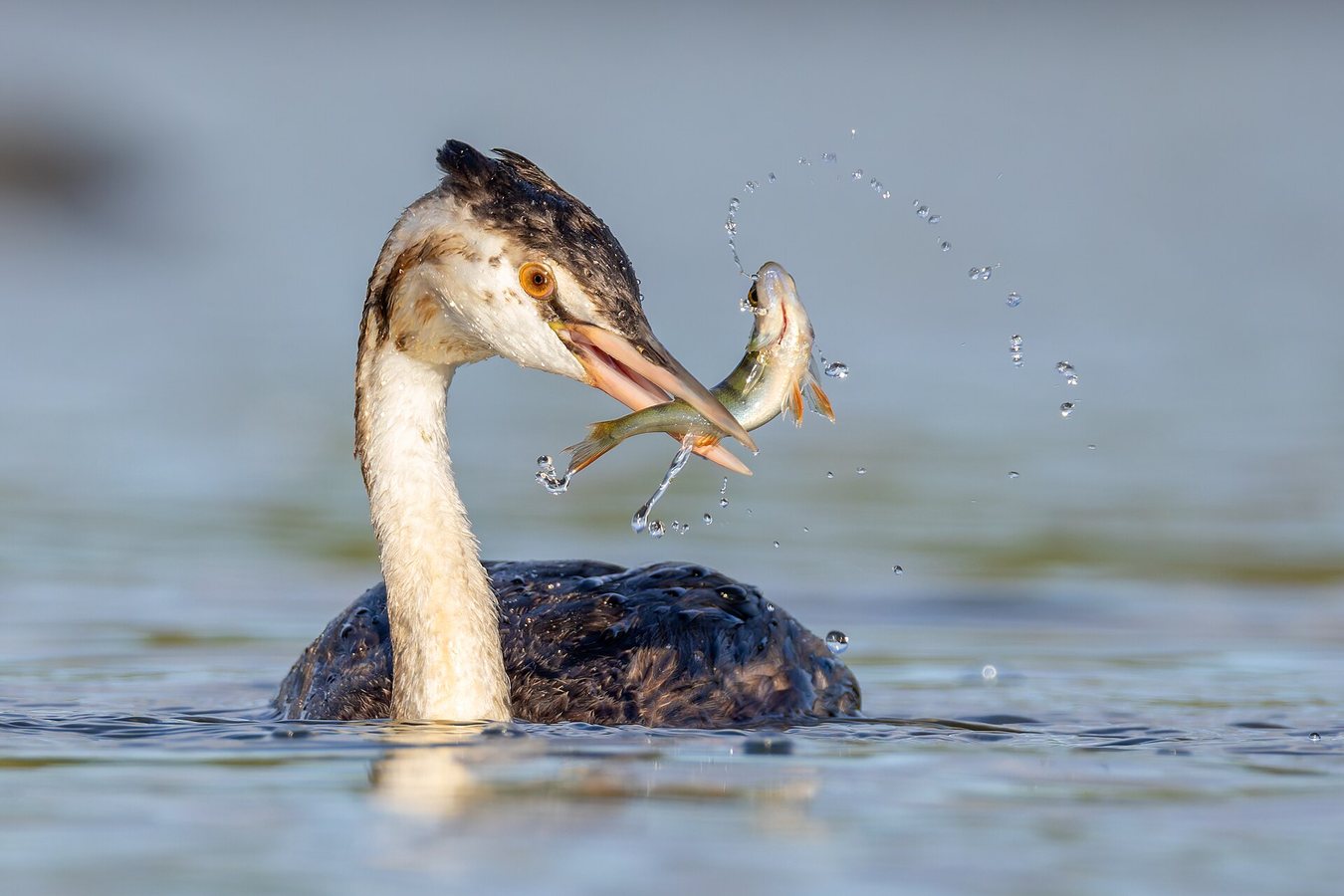
The black-necked grebe, a small waterbird with distinctive golden ear tufts during the breeding season, has responded dramatically to the habitat work. Surveys conducted this year recorded 64 percent of Britain's breeding pairs at Woolston Eyes, a figure that elevates the site above all other locations in the country for this species. The grebe typically nests in dense reedbeds and feeds on insects and small fish in open water, conditions that the restored wetland now provides in abundance.
Conservationists involved in the project described the outcome as a demonstration of what can be achieved when degraded land is given the opportunity to recover. The site now supports a diverse range of other birdlife, including bitterns, marsh harriers, and bearded tits, alongside amphibians, invertebrates, and a rich plant community. The reedbeds, in particular, have matured into a dense and healthy habitat that offers both nesting cover and foraging grounds.
The project has also involved careful water-level management, with the pools designed to remain shallow and warm through the breeding season, conditions that favour the invertebrates on which grebes and their chicks depend. Volunteers from the Woolston Eyes Conservation Group have played a central role in monitoring the birds and maintaining the habitat, working alongside RSPB staff to ensure the site remains in optimal condition.
The success at Woolston Eyes is being cited by conservation groups as evidence that wetland restoration can deliver measurable benefits for threatened species, even on land with a history of industrial use. The site is now recognised as a key stronghold for the black-necked grebe, a species that has struggled across much of its European range due to habitat loss and changing agricultural practices.
Local wildlife enthusiasts and birdwatchers have reported a steady increase in grebe sightings since the restoration began, with several pairs successfully raising chicks in each of the past three breeding seasons. The site is not open to the general public, but the conservation groups run occasional guided visits, allowing people to observe the birds without disturbing them.
The achievement at Woolston Eyes adds to a growing body of evidence that targeted habitat restoration can reverse declines in vulnerable bird populations. Conservationists hope the site will serve as a model for similar projects elsewhere in the UK, particularly in areas where former industrial land can be repurposed for nature.
152