NASA launched Apollo 7 on October 11, 1968, the first crewed flight of the Apollo program. The mission carried astronauts Wally Schirra, Donn Eisele, and Walter Cunningham into low Earth orbit aboard a Saturn IB rocket. It was a critical step toward the goal of landing humans on the Moon before the end of the decade.
The flight came after the devastating Apollo 1 fire in January 1967, which killed astronauts Gus Grissom, Ed White, and Roger Chaffee during a pre-launch test. The disaster halted crewed Apollo flights for more than 20 months while NASA redesigned the command module and implemented sweeping safety changes. Apollo 7 was designed to validate those fixes and test the spacecraft's systems in orbit.
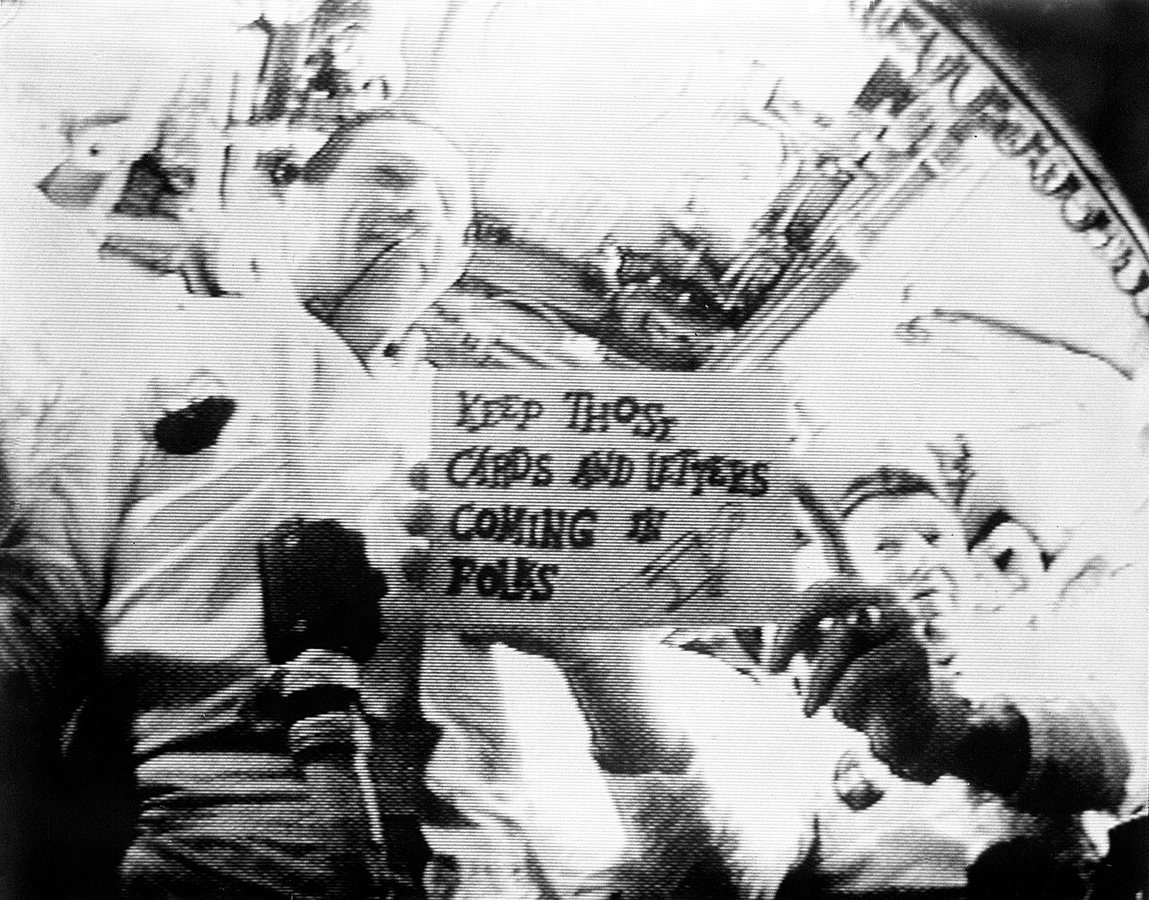
During the 11-day mission, the crew conducted the first live television broadcasts from an American spacecraft, showing viewers inside the cabin and offering tours of the vehicle. They also performed rendezvous maneuvers with the Saturn IB's second stage, tested the service propulsion system, and carried out navigation and communication checks. The mission logged 163 orbits around Earth.
Despite technical successes, the flight was marked by tension between the crew and Mission Control. Schirra, the commander, developed a head cold that spread to the other astronauts, making it difficult to equalize pressure in their ears. The crew resisted some instructions and refused to wear helmets during reentry, a decision that later led NASA to bar Schirra from future flights. Still, the mission was deemed a success.
Apollo 7 splashed down in the Atlantic Ocean on October 22, 1968, about 200 miles south of Bermuda. The recovery was carried out by the USS Essex. The mission's achievements gave NASA the confidence to accelerate its schedule, and just two months later, Apollo 8 carried astronauts around the Moon. Apollo 7 thus played a pivotal role in the broader effort to land humans on the lunar surface, which was achieved with Apollo 11 in July 1969.
The mission also demonstrated the importance of human factors in spaceflight, from medical issues to crew psychology. The lessons learned informed future Apollo missions and contributed to the success of the program. Apollo 7 remains a landmark in space exploration, remembered as the flight that returned American astronauts to space after tragedy and set the course for the Moon.
13