A nature reserve in Staffordshire is set to double in size after Staffordshire Wildlife Trust acquired a neighboring expanse of wet woodland, marsh and pastureland through a gift left in a will.
The trust announced the acquisition as a significant addition to its conservation estate, saying the land will be managed to protect and enhance habitats that are increasingly scarce across the British countryside. The bequest connects directly to an existing reserve, effectively expanding the protected area without the need for a lengthy fundraising campaign or compulsory purchase.
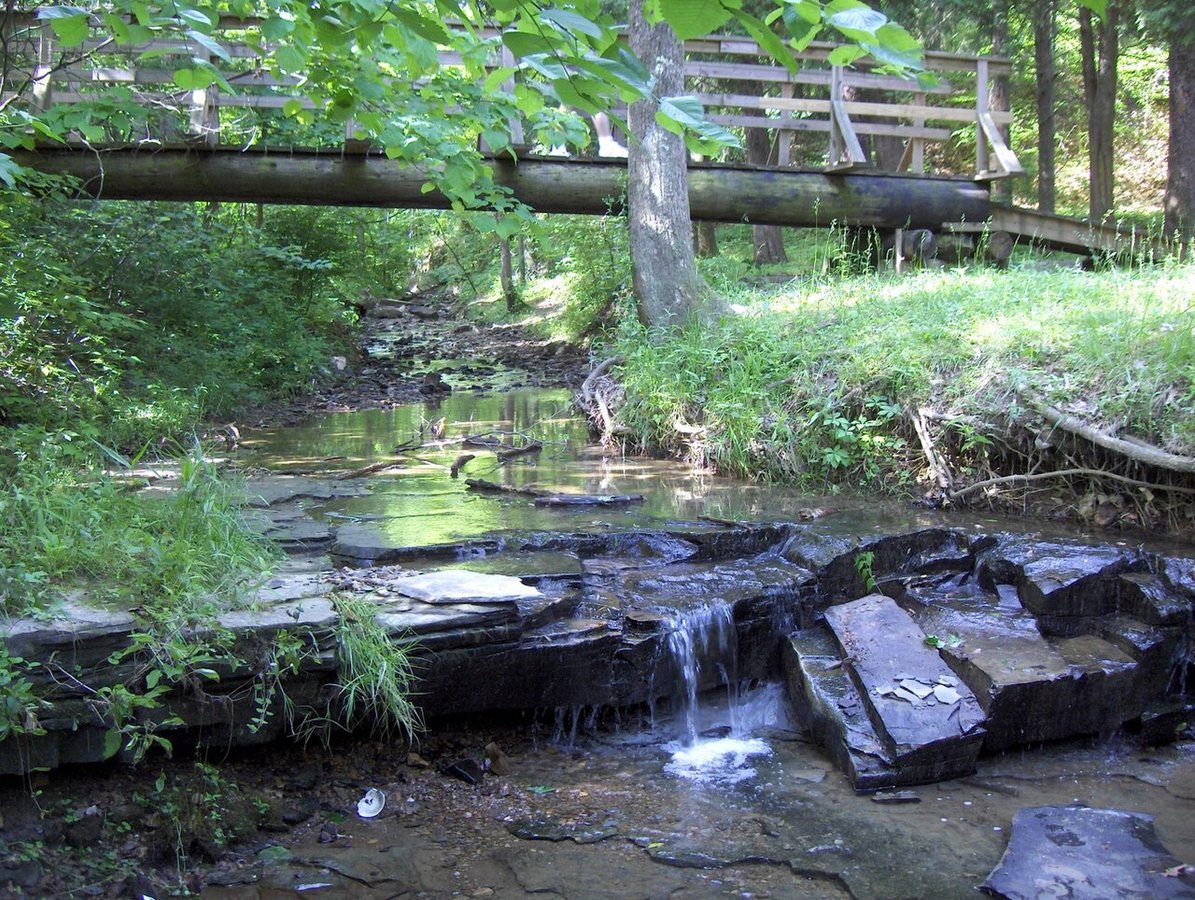
Wet woodland, marsh and pastureland together form a mosaic of habitats that support a wide range of species, from amphibians and wading birds to insects and rare plants. Wet woodland, also known as carr woodland, typically occurs on poorly drained soils and is dominated by species such as alder, willow and birch. Marshland provides breeding grounds for invertebrates and feeding areas for birds, while pastureland can support wildflowers and pollinators when managed with low-intensity grazing.
The trust said the land came to it through a will, a mechanism that has become increasingly important for conservation organizations as public funding for nature remains under pressure. Legacy gifts allow charities to secure land that might otherwise be sold for development or intensive agriculture, and they often come without the conditions attached to grant funding.
Staffordshire Wildlife Trust is one of 46 wildlife trusts across the United Kingdom that together manage thousands of nature reserves. The trusts rely on a combination of membership income, grants, donations and legacies to care for sites that range from small urban meadows to large moorland and wetland complexes. The expansion of this reserve fits a broader pattern of conservation groups trying to connect fragmented habitats so that wildlife populations can move and adapt as the climate changes.
Conservation scientists have long argued that isolated patches of habitat are less resilient than larger, connected landscapes. When a reserve doubles in size, it can support larger populations of vulnerable species, reduce edge effects such as disturbance and pollution from surrounding land, and provide more varied microclimates that help species survive extreme weather. For wetland species in particular, larger areas of marsh and wet woodland can improve water retention, filter runoff and reduce flooding downstream.
The trust has not yet outlined a detailed management plan for the newly acquired land, but such sites typically require work to control invasive species, restore water levels and reintroduce grazing where appropriate. Wet woodland and marsh can degrade quickly if drainage ditches are left unmanaged or if invasive plants such as Himalayan balsam take hold. Pastureland may need to be brought back into a traditional grazing regime to maintain its wildflower diversity.
Local wildlife enthusiasts and trust members are likely to welcome the news, as access to nature has become a growing public health priority. Many wildlife trusts aim to provide quiet footpaths and viewing areas so that people can experience wetland birds, dragonflies and wildflowers without disturbing sensitive breeding sites. The trust has not said whether the new land will be opened to the public or kept as a quieter refuge for wildlife.
The bequest also highlights the role that individual donors play in conservation. While large government schemes and corporate partnerships attract headlines, smaller legacy gifts often make the difference in securing land that adjoins existing reserves. For Staffordshire Wildlife Trust, the gift means a single reserve can now offer a larger, more varied habitat block, strengthening the case for protecting the wider landscape.
Details of the donor and the exact location of the reserve have not been disclosed, in line with the trust's usual practice of respecting the privacy of those who leave land in their wills. The trust is expected to begin surveying the site and consulting with local members before finalizing how the new land will be managed.