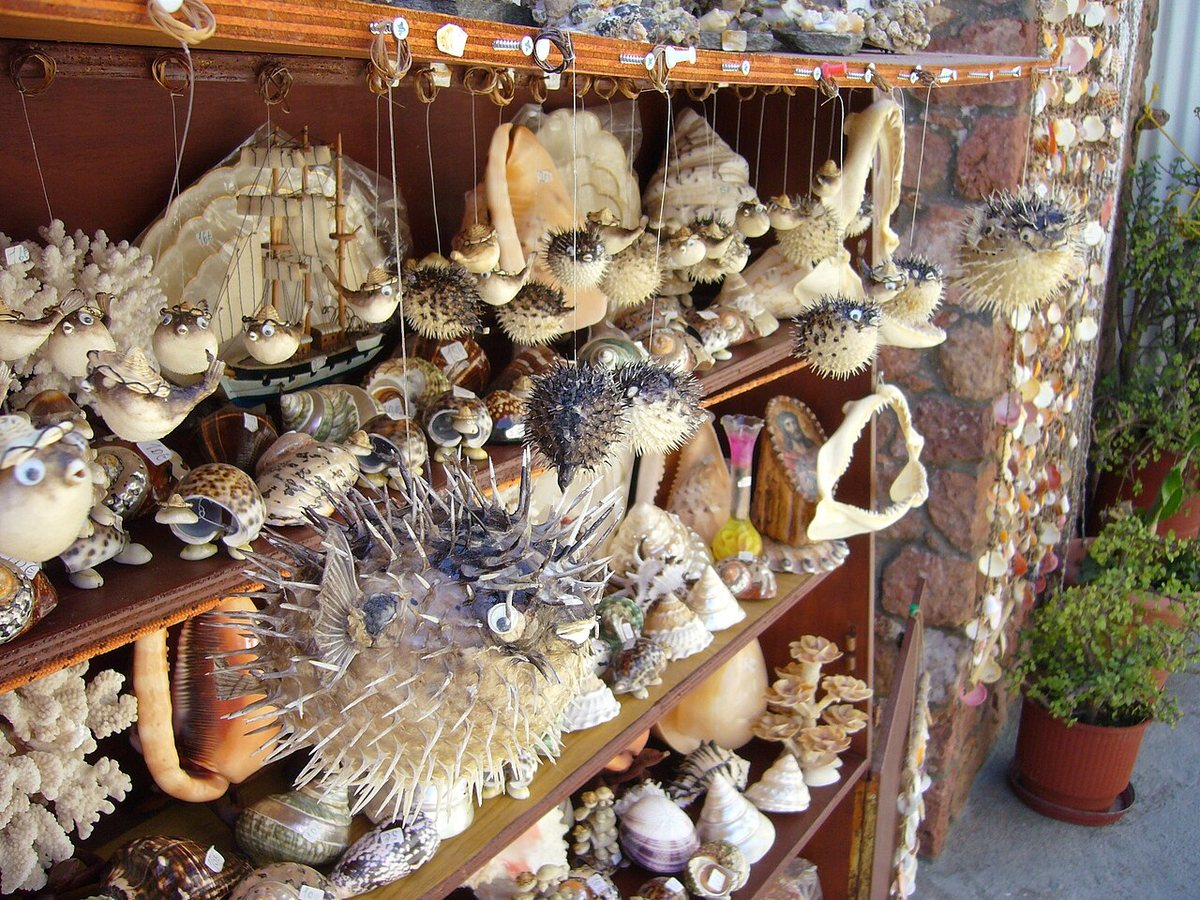
Researchers have found that the number of plant and animal species used or sold in the wildlife trade is more than twice as high as previously estimated. A study published in the journal Science Advances puts the figure at more than 100,000 species traded globally, whether through illegal smuggling, legal sales as ornaments, or use in fisheries, timber and fashion industries.
The authors warn that large gaps exist in global assessments of how wildlife is traded. Past estimates, they say, have not kept pace with major shifts in the market, most notably the rapid growth of the online exotic pet trade. Sellers can now offer to post spider eggs across borders or move reptiles through air travel with little more than a click, making the trade harder to observe and measure.
The findings suggest that existing monitoring systems capture only a fraction of the species involved. Because the wildlife trade spans legal and illegal channels and a wide range of sectors, from food and medicine to decorative goods and clothing, the researchers argue that a fuller picture requires closing these data gaps. Accurate counts matter for conservation planning, since species that are harvested or sold in large numbers can face declining populations if trade is not controlled.
The study arrives as governments and conservation groups continue to debate how to regulate wildlife commerce. Trade in wild animals and plants is linked both to the survival of threatened species and to the livelihoods of communities that depend on it, which is why researchers stress that better data can inform policies that balance protection with sustainable use.
Separately, the Guardian's weekly wildlife photo feature this week highlighted images from around the world, including a fishing anhinga, a northern nutcracker and cuddling seals. Those images are not part of the trade study, but they are a reminder of the wide range of species that depend on healthy habitats.
10