President Sergio Mattarella presented the 2026 Eni Awards at the Quirinale Palace in Rome, honoring researchers whose work addresses decarbonization, environmental protection and access to energy. The ceremony took place in the Sala degli Specchi and marked the eighteenth edition of the prize, which was established in 2008 and is aligned with the United Nations' seventeen Sustainable Development Goals.
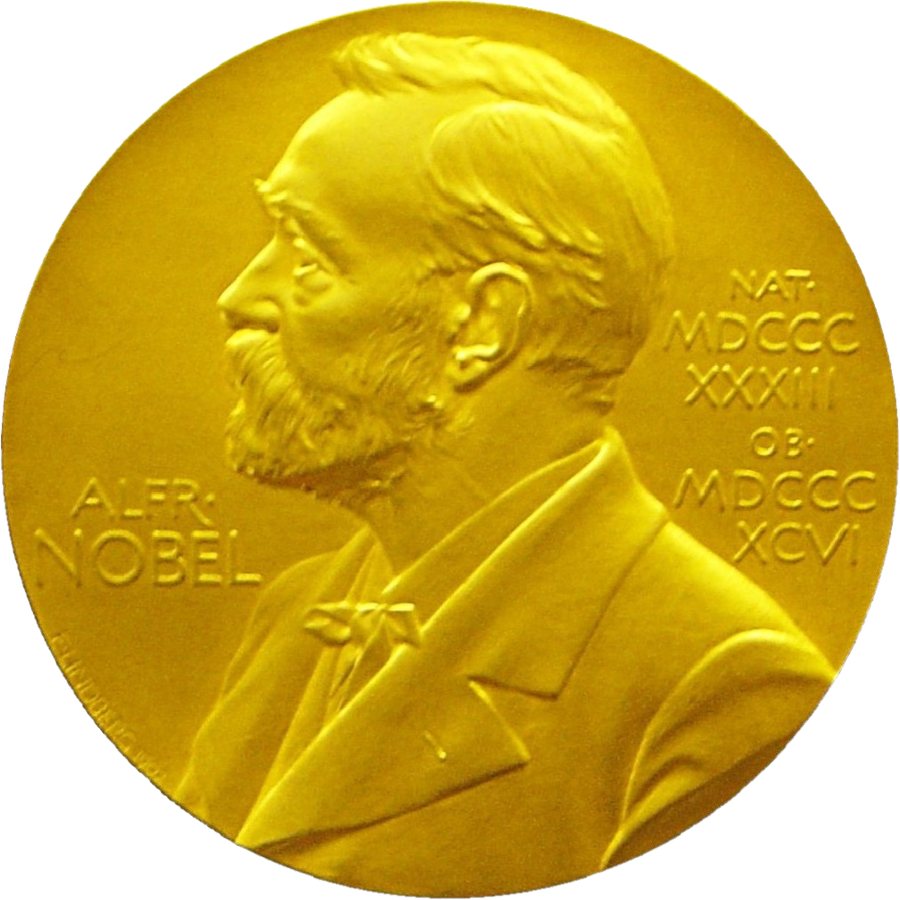
The event opened with remarks from Giuseppina Di Foggia, chair of Eni, and Claudio Descalzi, the company's chief executive. Mattarella received the commemorative medal of the edition before personally handing out the prizes to the selected researchers. The jury that chooses the laureates has included six Nobel laureates over the years, according to the ceremony's organizers.
The Energy Transition award went to Véronique Gouverneur of the University of Oxford. Her pioneering work opened new pathways in fluorine chemistry, allowing the synthesis of compounds essential for batteries, pharmaceuticals and agriculture without producing hydrogen fluoride, a highly toxic substance that is difficult to handle. Her research also demonstrated the feasibility of recovering fluorine from industrial wastewater within a circular economy framework.
The Energy Frontiers award was assigned to Laura Gagliardi of the University of Chicago. She develops advanced quantum and mathematical models that can predict how materials will behave before they are synthesized in the laboratory. Her molecular framework structures act as chemical sponges, designed to absorb carbon dioxide directly from the air and capture atmospheric humidity to produce water, while improving the efficiency of industrial catalysts.
The Advanced Environmental Solutions award went to John F. Hartwig of the University of California, Berkeley. He developed a sustainable and scalable catalytic process capable of breaking down polyethylene and polypropylene, the two most widely used plastic polymers in the world, and converting them back into their original monomers without loss of quality. The work points toward genuine circular recycling of plastics.
Young researchers received significant attention during the ceremony. The Young Researcher of the Year award, reserved for doctoral theses discussed at Italian universities, was given to Leonardo Magherini of the Politecnico di Torino for his studies on the transport dynamics of aquatic particles, relevant to environmental risk prevention and remediation. Filippo Trevisi of the Politecnico di Milano was also honored for a project on so-called wind planes, high-altitude aircraft tethered to the ground by cables that generate wind energy where conventional turbines cannot be installed.
The Young Talents from Africa section, created in 2017 to promote researchers from the continent, recognized Nosakhare Jeremiah Aigbedion, a doctoral student at the Pan African University in Kenya, for his study of high-strength metal alloys for thermal storage in concentrated solar power plants. The award also went to Gosego Keotshepile Mapula Sedikelo of the University of South Africa, who devised an ultrasound-based technology to recover critical metals such as lithium, cobalt and nickel from spent batteries.
Internal awards under the Eni for Innovation category were also presented to company teams. They were recognized for methods to recover energy from food waste, pyrolysis technologies for mixed plastics developed by Versalis, and systems to optimize large language models on corporate digital platforms. Through its Joule business school, Eni also gave special mentions to three emerging companies: Alkelux, for a nanopolymer derived from agricultural waste used in food packaging; Hypermeteo, for high-precision weather and climate indices produced with artificial intelligence; and Algae Scope, which is working to replace perfluorinated compounds (PFAS) with non-toxic powders made from seaweed for flame-retardant and waterproof fabrics.
On the margins of the ceremony, the organizers announced that applications are open for the Eni Award 2027, with calls for proposals remaining accessible until November 20, 2026.
11