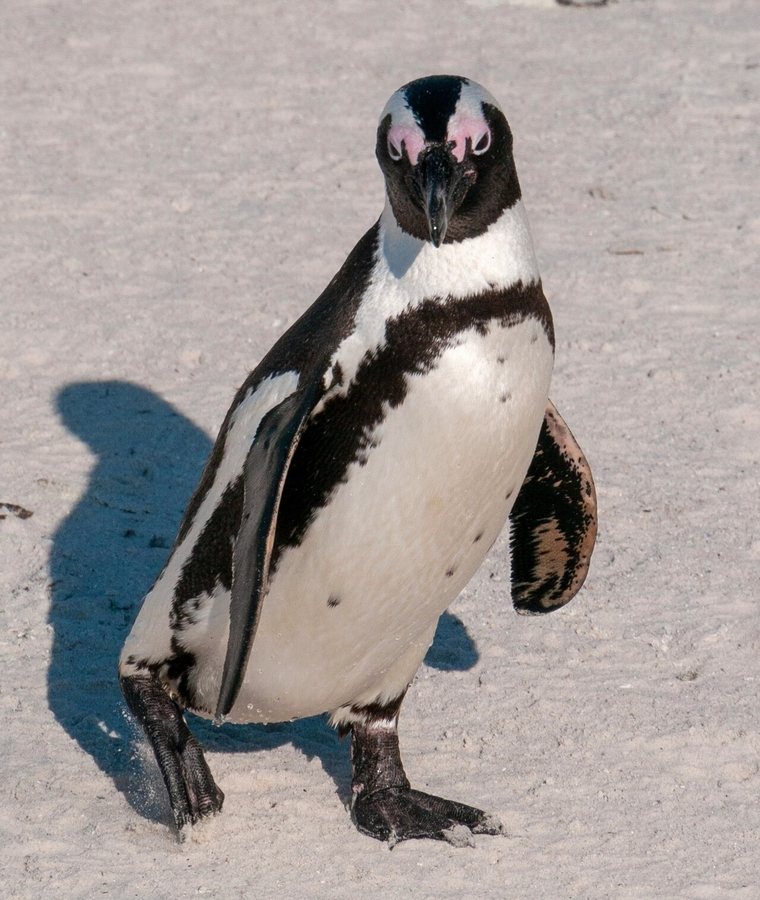
More than 1,000 little penguins on Australia’s Phillip Island have received their first dose of a bird flu vaccine in what is believed to be the world’s largest vaccination program targeting wild birds. The effort, led by Phillip Island Nature Parks, aims to protect one of the country’s most iconic wildlife populations from the threat of highly pathogenic avian influenza.
Catherine Basterfield, chief executive of Phillip Island Nature Parks, said vaccinations began early last week and were already ramping up. The program is a logistical challenge, she acknowledged, describing the task as “really tricky” because the penguins are small, wild, and must be handled carefully to minimize stress. The vaccine is administered to each bird individually, requiring teams to locate, capture, and release the penguins in their natural habitat.
The little penguin, also known as the fairy penguin, is the smallest penguin species in the world, standing about 30 centimeters tall and weighing around one kilogram. Phillip Island, located off the southern coast of Victoria, hosts a breeding colony that attracts hundreds of thousands of visitors each year, making the birds both an ecological and economic asset. A severe bird flu outbreak could devastate the colony, which is already vulnerable due to its small size and concentrated population.
Bird flu, particularly the H5N1 strain, has caused mass die-offs in wild bird populations across Europe, Asia, and the Americas in recent years. While Australia has so far avoided the worst of the current global outbreak, scientists warn that the virus could arrive via migratory birds, posing a significant risk to native species that have no prior immunity. Vaccinating wild birds is rare and logistically complex, but the Phillip Island program is being watched closely by conservationists worldwide as a potential model for protecting other vulnerable species.
The vaccination effort is part of a broader preparedness strategy that includes surveillance, biosecurity measures, and public education. Basterfield emphasized that the program is not a guarantee against infection but rather a risk-reduction measure. “We are doing everything we can to give these penguins the best chance,” she said. The first dose is expected to be followed by a booster shot, and researchers will monitor the birds’ immune responses to assess the vaccine’s effectiveness in the wild.
Local authorities and wildlife experts have collaborated on the project, which has required careful planning to avoid disrupting the penguins’ breeding and foraging routines. The timing of the vaccinations was chosen to coincide with a period when the birds are more accessible, but still requires teams to work in challenging conditions, often at night when the penguins return to their burrows. Each vaccination takes only a few minutes, but the process of finding and handling the birds is labor-intensive.
The program has drawn international attention, as it represents one of the first large-scale attempts to vaccinate a wild bird population against avian influenza. If successful, it could inform similar efforts for other endangered species, such as the California condor or the African penguin, which face similar threats. Conservationists stress that vaccination is only one tool in a larger toolkit, and that habitat protection and disease surveillance remain essential.
For now, the little penguins of Phillip Island are returning to their burrows with a new layer of protection, and the world is watching to see whether this ambitious experiment can help shield wildlife from a virus that has already reshaped bird populations across the globe.
118