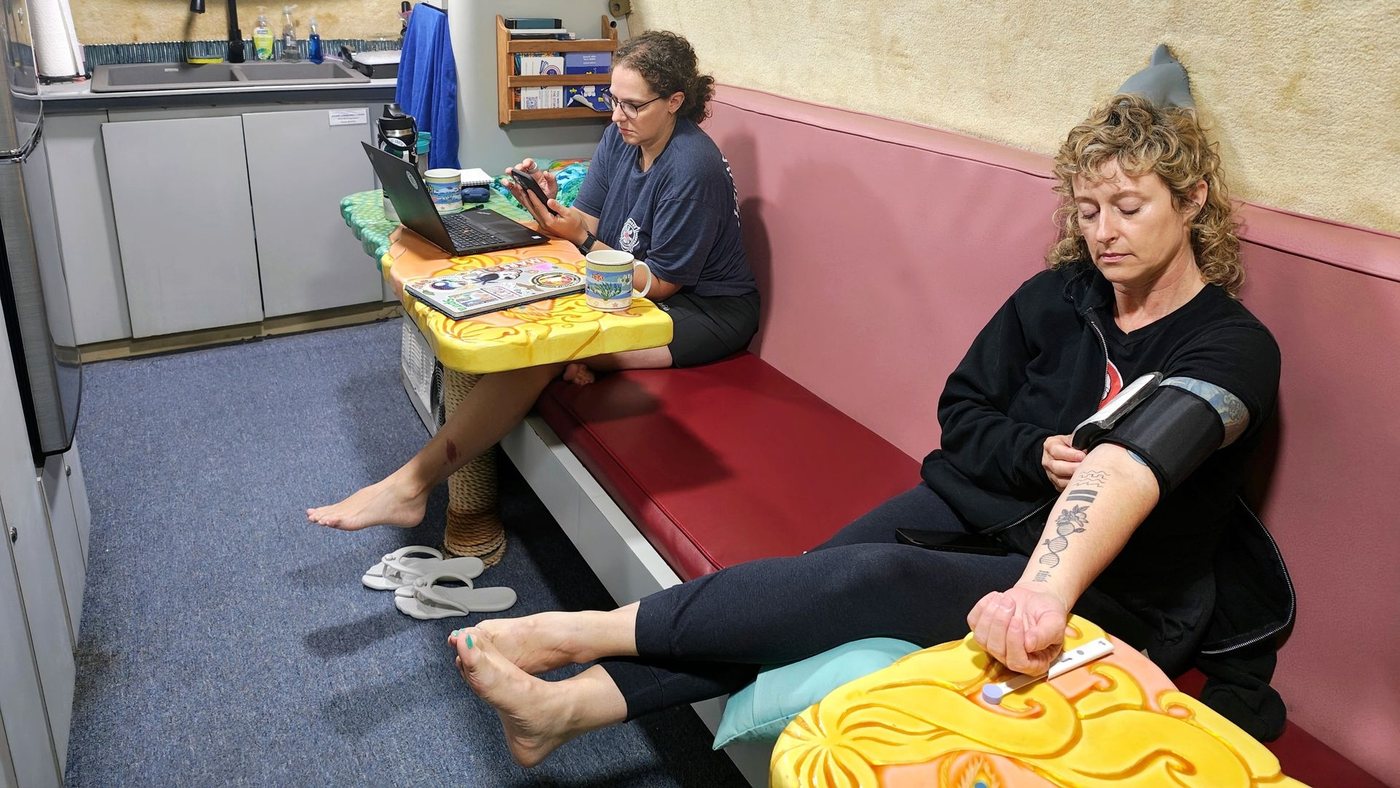
Astrobiologist and explorer Michaela Musilova has described what it is like to come home after time spent in an undersea research habitat, a setting often compared to a space station. Her account, written from her own perspective, focuses on the physical and mental readjustment that follows a long stay in an isolated, confined environment far from the surface.
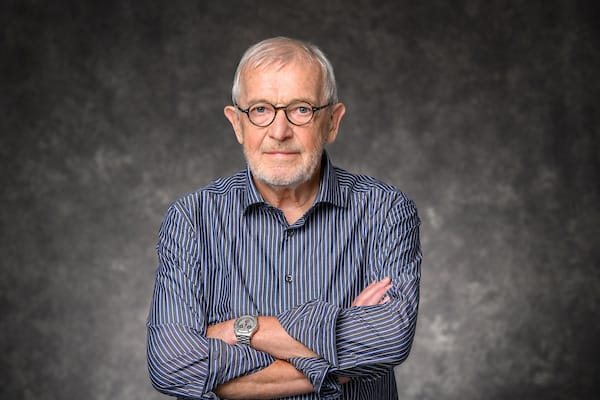
Musilova is an award-winning astrobiologist who has conducted space-related research at institutions around the world, including NASA, ESA, the California Institute of Technology and the Canada-France-Hawaii Telescope. She has served as commander of 40 simulated missions to the Moon and Mars, the largest number led by any person to date, and is the president and founder of the nonprofit XtremeFrontiers. She is also one of very few people to have led research projects on all seven continents.
Her current flagship effort is a project called Astro Seven Summits, which she describes as a world first in combining expeditions to the highest mountain on each continent with scientific research carried out in collaboration with NASA and institutions worldwide. The project also includes educational activities and the filming of documentaries, extending her work beyond the laboratory and the simulation chamber.
Her professional life spans science communication, consulting and education. She has advised companies on topics ranging from Mars missions to museum exhibitions, including work for the Smithsonian, and she is regularly invited to give keynote presentations and carry out outreach activities globally. Her work has been recognized with honors including a Forbes 30 Under 30 listing, a place among the Top 100 Women in Aerospace and Aviation, and an Emerging Space Leaders Grant. She has given interviews to international media for more than 20 years, writes scientific and educational articles, and co-authored her biography, Woman from Mars.
Her reflections on returning from an undersea habitat draw on the same kind of analog work that has defined her career. Such missions allow researchers to study how crews adapt to isolation, confinement and limited contact with the outside world, conditions that astronauts also face. Her experience as a seasoned commander of simulated missions gives weight to her account of the transition back to ordinary life, in which the body and mind must readjust to gravity, daylight and everyday routines after a prolonged period away from the surface.
14