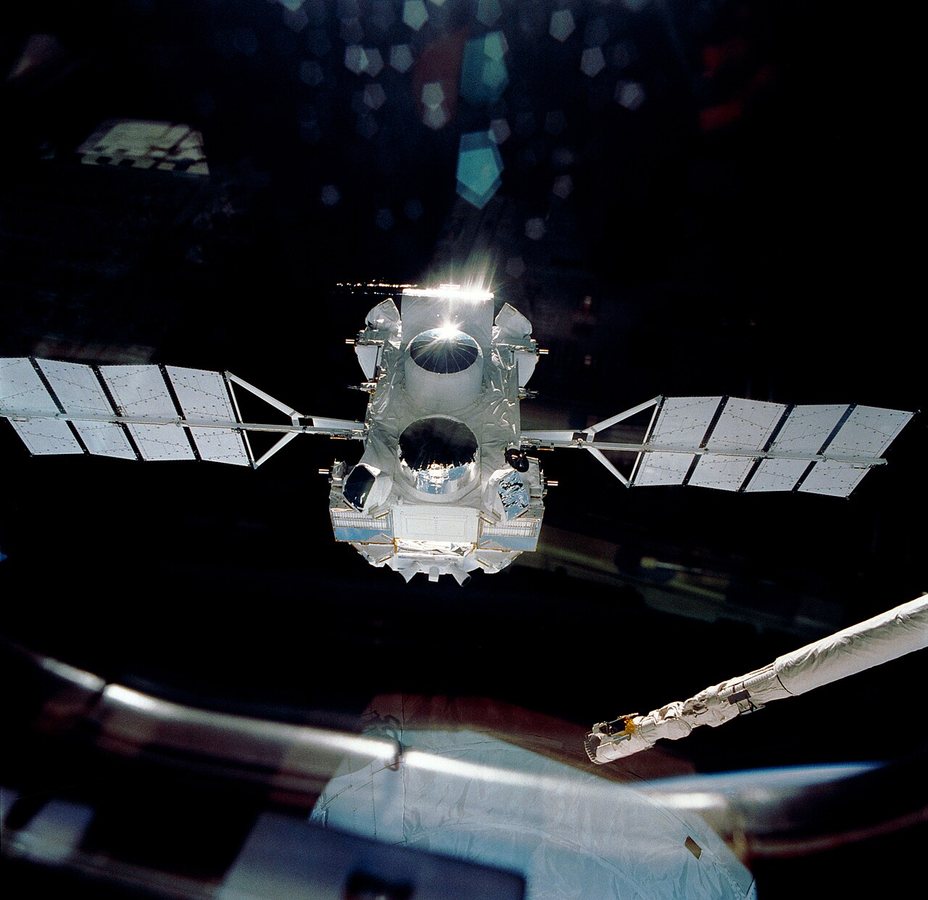
NASA's Swift Observatory, an aging space telescope, is expected to fall back to Earth on or around Friday after a failed rescue effort left it sinking steadily lower. The U.S. Space Force predicts the reentry date, and most of the roughly 1.5-ton spacecraft is expected to burn up in the atmosphere.
A handful of components could survive the descent. NASA's Brad Cenko, the mission's chief scientist, said some pieces made of tungsten, a metal denser than lead, along with some mirror parts, may reach the ground. Any surviving wreckage will most likely fall into the ocean. Still, large swaths of Africa, Australia, India, Southeast Asia, and Central and South America lie within the reentry zone, and the Space Force is tracking the telescope's dwindling path.
Swift launched on Nov. 20, 2004, to hunt for some of the most powerful explosions in the universe, including gamma-ray bursts and supernovas. Over its 22 years in orbit, the telescope's final tally included more than 2,000 gamma-ray bursts and 1,400 exploding stars, as well as numerous comets, asteroids and black holes that tear apart stars. Its defining capability was the ability to swivel quickly toward erupting cosmic events, which is why it was named Swift.
The mission's decline accelerated because of intense solar activity over the past few years, which dragged the spacecraft down faster than expected. NASA hired Katalyst Space a year ago to mount a rapid rescue. The company's three-armed robot, named Link, ran into trouble after launching in July and never got closer than 7 to 9 miles (12 to 15 kilometers) to the telescope. Link plunged back to Earth in September.
Swift resumed observations after the rescue attempt was called off and continued to detect gamma-ray bursts and other high-energy events. By late October, however, the telescope was too low to hold steady for observations, and its systems were shut down.
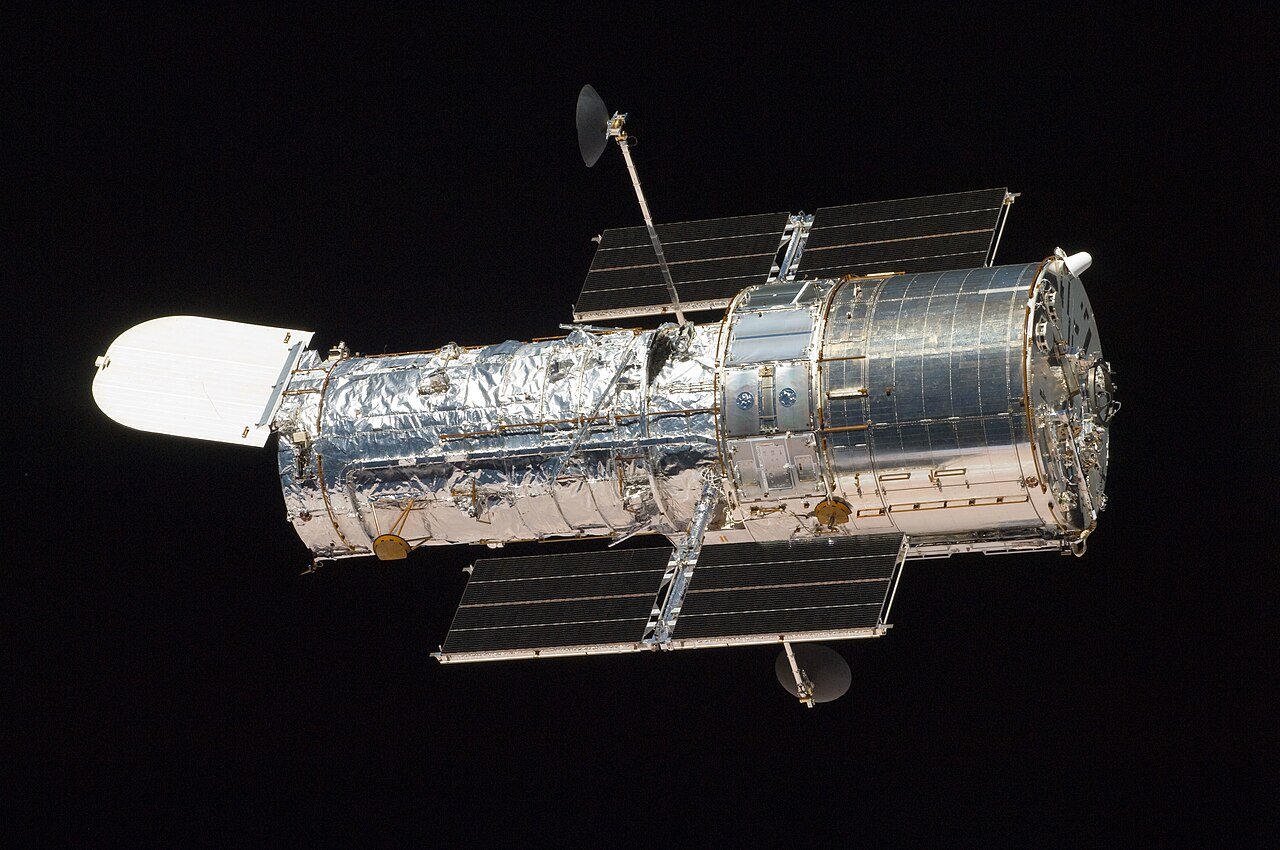
Members of the Swift team have expressed mourning alongside gratitude for the telescope's contributions. Pennsylvania State University astronomer John Nousek, who led the control team, said the team had known the day would come since before launch. « At least in low-Earth orbit, what goes up must come down. And that end is catastrophic, » he said. Nousek added in an email that the lessons from Swift's success could guide new generations of space missions. NASA had long viewed Swift as a first responder for larger observatories such as Hubble and Webb, which follow up on its alerts with deeper investigations, and scientists are still working out how to fill that gap.
39