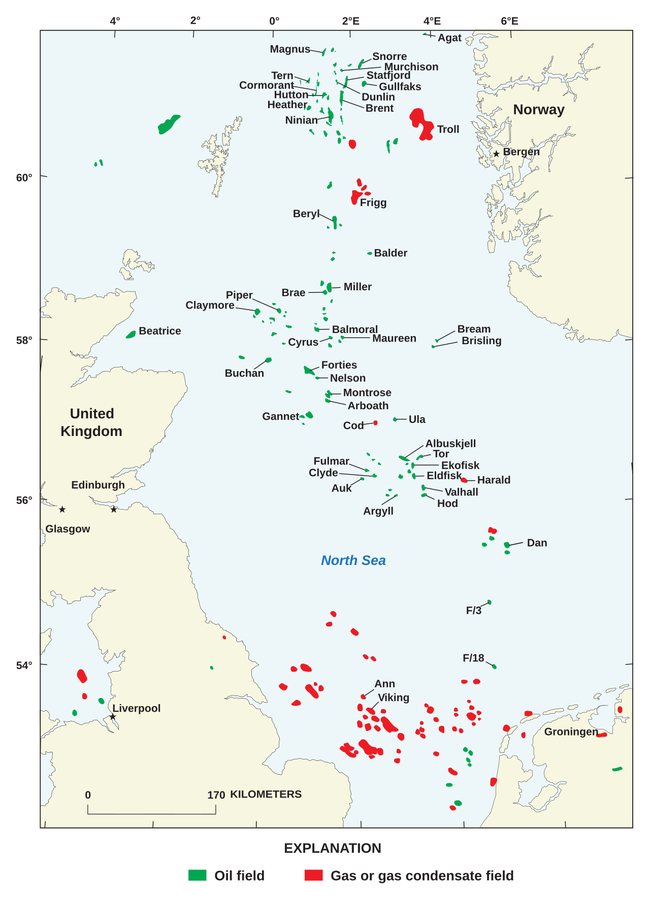
Developing the Rosebank and Jackdaw oil and gas fields under consideration by the UK government would cause climate damage that obliterates their economic benefits many times over, according to a new analysis. The economic harm from carbon pollution produced by these fields is forecast to reach between £119bn and £336bn in the coming decades, compared with the £28.7bn in value to the UK estimated by Adura, the fossil fuel company promoting the projects.
The analysis, which focuses on the two fields currently awaiting approval, highlights a stark discrepancy between private economic returns and the broader social and environmental costs. While Adura has emphasized the potential boost to the UK economy, the new figures suggest that the long-term financial burden of climate-related damage would far exceed any short-term gains. The findings come as the UK government weighs decisions on new fossil fuel developments against its legally binding commitment to reach net-zero carbon emissions by 2050.
Rosebank, located west of Shetland, is one of the largest untapped oil fields in UK waters, with an estimated 500 million barrels of oil. Jackdaw, a smaller gas field in the North Sea, has also been promoted as a way to bolster domestic energy security. Both projects have drawn significant opposition from environmental groups, who argue that approving them would contradict the UK's climate pledges and international obligations under the Paris Agreement. The new analysis adds a quantitative dimension to those concerns, translating the climate impact into direct economic terms.
The methodology used in the analysis applies a social cost of carbon, a metric that estimates the economic damage caused by each tonne of carbon dioxide emitted. This includes impacts on agricultural productivity, human health, and the increased frequency and severity of extreme weather events. When applied to the projected lifetime emissions of the two fields, the resulting damage figures dwarf the developer's estimates of economic value. The analysis also notes that the economic value cited by Adura does not account for the costs of climate adaptation or the potential loss of export markets as other countries transition away from fossil fuels.
The UK government has defended its approach to North Sea licensing, arguing that domestic production can reduce reliance on imports and that the country's overall emissions trajectory remains on track. However, the new analysis challenges that position, suggesting that the climate costs alone — without considering other environmental or geopolitical factors — make the projects economically unviable from a societal perspective. The decision on Rosebank and Jackdaw is expected to set a precedent for future licensing rounds and will be closely watched by both the energy industry and climate campaigners.
The analysis comes at a time of intense debate over the role of fossil fuels in the UK's energy mix. While the government has expanded renewable energy capacity, it has also continued to support oil and gas extraction. Critics argue that this dual approach undermines the credibility of the UK's climate leadership, particularly as it prepares to host major international climate negotiations. The findings are likely to intensify pressure on ministers to reject the new fields and to accelerate the transition to cleaner energy sources.
102