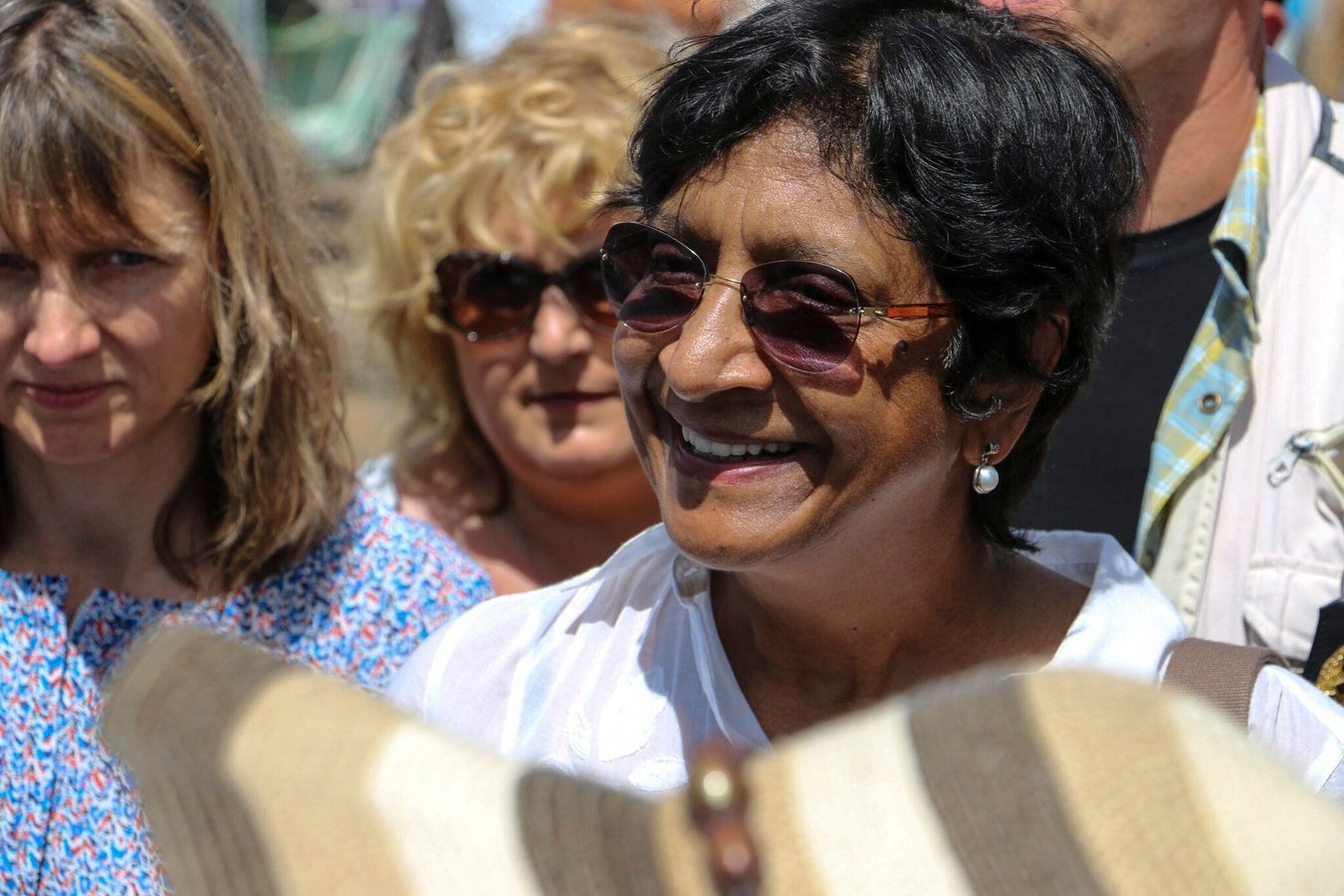
The Norwegian Nobel Committee awarded the 2026 Nobel Peace Prize to South African jurist Navanethem « Navi » Pillay on Friday, October 9, in Oslo, citing her lifelong efforts to promote peace and international law. The announcement places one of the world's most prominent legal voices against apartheid, war crimes, and impunity at the center of this year's Nobel season.
Pillay, 85, is best known internationally for chairing the United Nations independent commission of inquiry that accused Israel of committing genocide in the Gaza Strip. The committee's decision, announced in the Norwegian capital, recognizes a career that has moved from confronting structural discrimination in her native South Africa to leading international legal bodies.
Born into a family of Indian Tamil origin in Durban under apartheid, Pillay experienced segregation and exclusion firsthand. She turned that lived experience into a legal career, becoming one of the first women of color to serve as a judge in South Africa after the end of apartheid. She later served as a judge at the International Criminal Court and as UN High Commissioner for Human Rights, roles that cemented her reputation as a defender of international justice.
The Nobel Committee said her « firm moral compass » has been a constant throughout her long career. The prize, which comes from the will of Swedish inventor Alfred Nobel signed in 1895, is intended to recognize work promoting fraternity between nations, reducing or abolishing standing armies, and advancing peace efforts.
This year, 287 candidates were nominated for the Peace Prize, including 208 individuals and 79 organizations. The award to Pillay is the most closely watched of the 2026 Nobel Prizes, which have already honored researchers in medicine, physics, chemistry, and literature. The economics prize, to be announced on Monday, October 12, will close the season.
Pillay's selection is likely to draw attention to the role of international law in contemporary conflicts, particularly in Gaza, where the commission she chaired concluded that genocide had been committed. The finding remains a subject of intense international debate, and the Nobel Committee's decision to honor its chair signals continued support for legal accountability in war.
For South Africa, the award also highlights the country's post-apartheid legal tradition and its ongoing engagement with international institutions. Pillay's career spans the transition from domestic resistance to apartheid to global human rights advocacy, making her one of the most recognized legal figures to emerge from that era.
The Nobel Peace Prize is the fifth of the 2026 Nobel Prizes to be announced. The medicine prize went to Karl Deisseroth, Peter Hegemann, and Georg Nagel; the physics prize to Francis Halzen; the chemistry prize to Henri Kagan and Kenso Soai; and the literature prize to Canadian poet and writer Anne Carson. The economics prize will conclude the week on Monday.
16