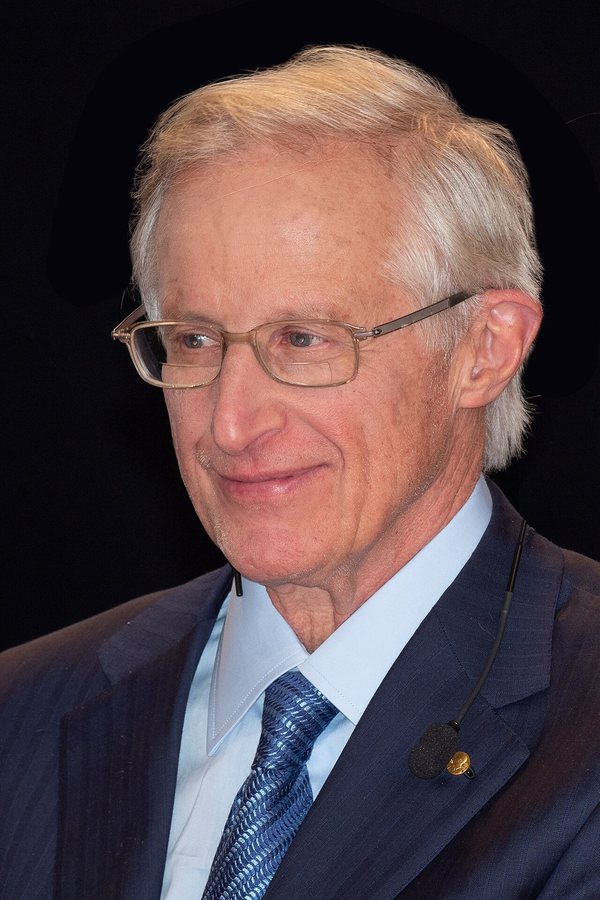
William D. Nordhaus, the economist whose analytical tools reshaped how governments and researchers weigh climate change against economic growth, has died. Nature, the science journal, published an obituary of him in November 2026 that traces the influence of his work on climate policy debates around the world.
Nordhaus built models that connected economic activity to environmental conditions. Rather than treating the climate as a separate problem, his approach placed it inside the same framework used to measure output, investment and welfare. That made it possible to put numbers on the costs of emissions and the benefits of reducing them, a step that turned climate policy into a question that policymakers could compare directly with other economic choices.
His work also examined how innovation improves human welfare. By studying technological progress as a driver of living standards, he offered a way to think about how societies might grow while managing environmental risks. The obituary credits him with changing how climate policy is costed and discussed, influencing the vocabulary and methods that analysts use when they debate the trade-offs involved.
The obituary notes that his tools remain central to the field, even as researchers continue to debate their assumptions and conclusions. The published excerpt does not state the cause or date of his death, and it does not list the institutions, awards or specific models associated with his career. What it makes clear is that his contribution lies in giving economists and policymakers a shared, quantitative way to discuss a problem that spans markets, ecosystems and generations.
Credit. Based on reporting by Eli P. Fenichel, Lint Barrage and Robert J. Gordon for Nature. Is this your work? Write to us.
8