A renowned forensic scientist has warned that some victims of the Nepal-Tibet flood disaster may never be found, and that others recovered may never be identified, due to what he describes as the event's «extreme challenges».
Prof Richard Bassed, head of forensic medicine at Monash University in Melbourne, said the scale and force of the flooding presented identification teams with conditions unlike those of more contained disasters. Bassed speaks from direct experience: he spent three months in Thailand helping identify victims of the 2004 Boxing Day tsunami and also worked on the identification of those killed in Victoria's Black Saturday bushfires in 2009.
«They'll be finding bodies next year,» Bassed said, referring to the likely long duration of the recovery effort. He described the «randomness of this massive flood» as a particular psychological burden for those involved in the work. «That gets to you,» he added.
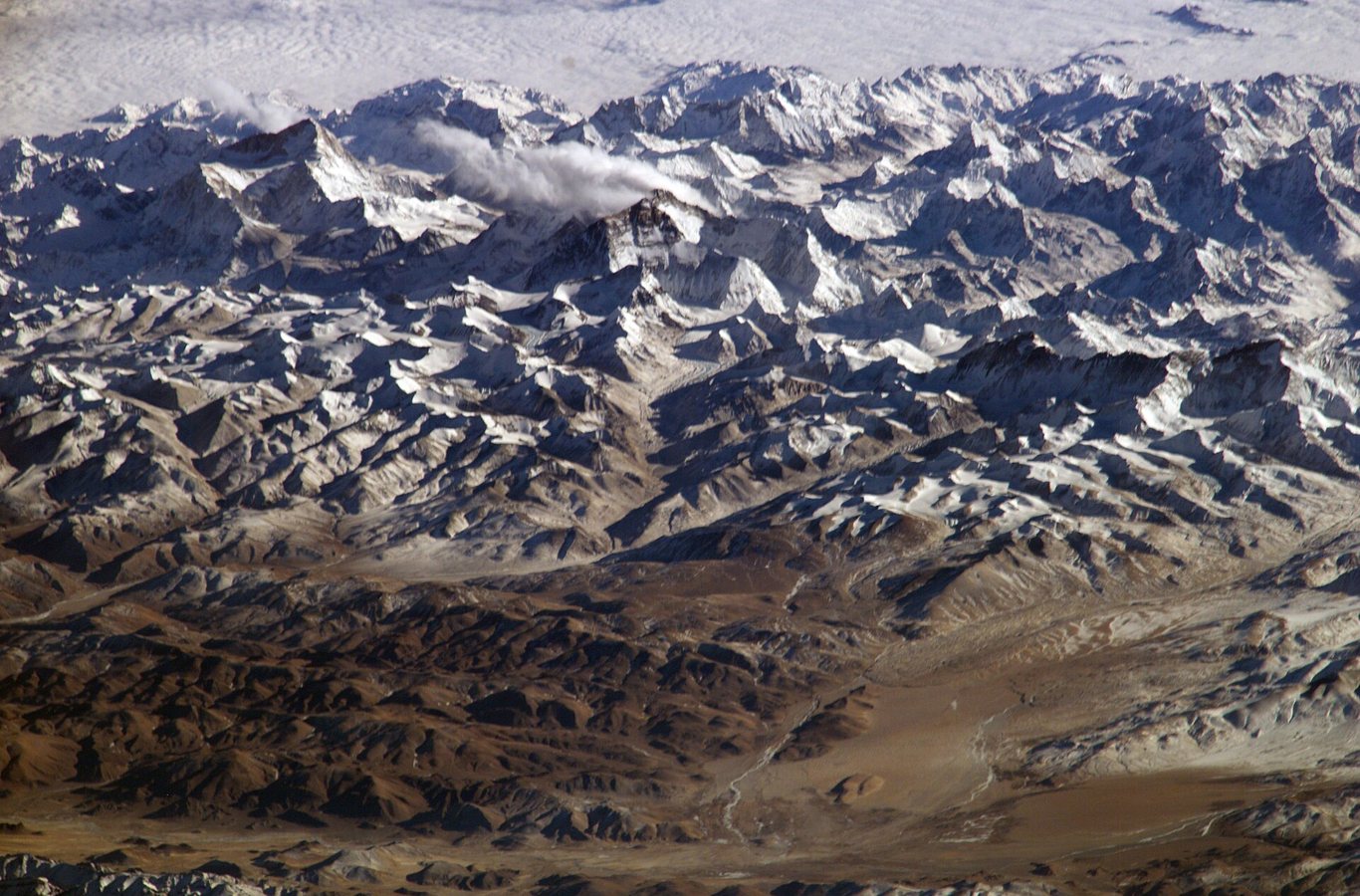
The disaster struck when a glacial lake outburst flood swept through the mountainous border region between Nepal and the Tibet Autonomous Region. The sudden release of water devastated downstream communities, destroying homes, infrastructure, and entire settlements in its path. The precise death toll remains uncertain, with hundreds of people still listed as missing.
Bassed explained that the sheer power of the water would have scattered remains over a wide area, complicating search efforts. Debris, sediment, and the remote, rugged terrain of the Himalayas further hinder access for recovery teams. In such conditions, he noted, the standard processes of forensic identification — fingerprinting, dental records, and DNA matching — become significantly harder to apply.
The scientist also highlighted the emotional dimension of the work, noting that the arbitrary nature of who survived and who perished in a sudden catastrophic flood weighs heavily on forensic personnel. Unlike a building collapse or a transport accident, where victims are often confined to a known location, a flood of this magnitude disperses victims unpredictably across kilometres of difficult landscape.
International disaster victim identification protocols typically rely on ante-mortem data — medical records, dental charts, and DNA samples from relatives — to confirm identities. In rural regions of Nepal, where such records are often sparse or nonexistent, the task becomes considerably more complex. Bassed suggested that some families may never receive confirmation of what happened to their loved ones.
The warning comes as Nepalese authorities continue to coordinate search and rescue operations with international partners. The disaster has renewed attention on the risks posed by glacial lakes in the Himalayas, which are expanding as global temperatures rise. Scientists have repeatedly cautioned that communities downstream of these lakes face growing threats from outburst floods.
Bassed's comments underline the long-term humanitarian consequences of the event, extending well beyond the immediate emergency response. The process of recovering and identifying victims is expected to stretch on for months, possibly into the next year, as teams work through the difficult terrain and the slow, painstaking work of forensic analysis.
132