Most of what scientists know about ancient atmospheric methane comes from ice cores drilled in Antarctica and Greenland. Those records are extraordinarily valuable, but they sample air trapped at high latitudes. An ice core from Peru's Nevado Huascarán now provides an approximately 2,000-year methane record from the tropics, giving researchers a new geographic perspective on how the gas has changed through history.
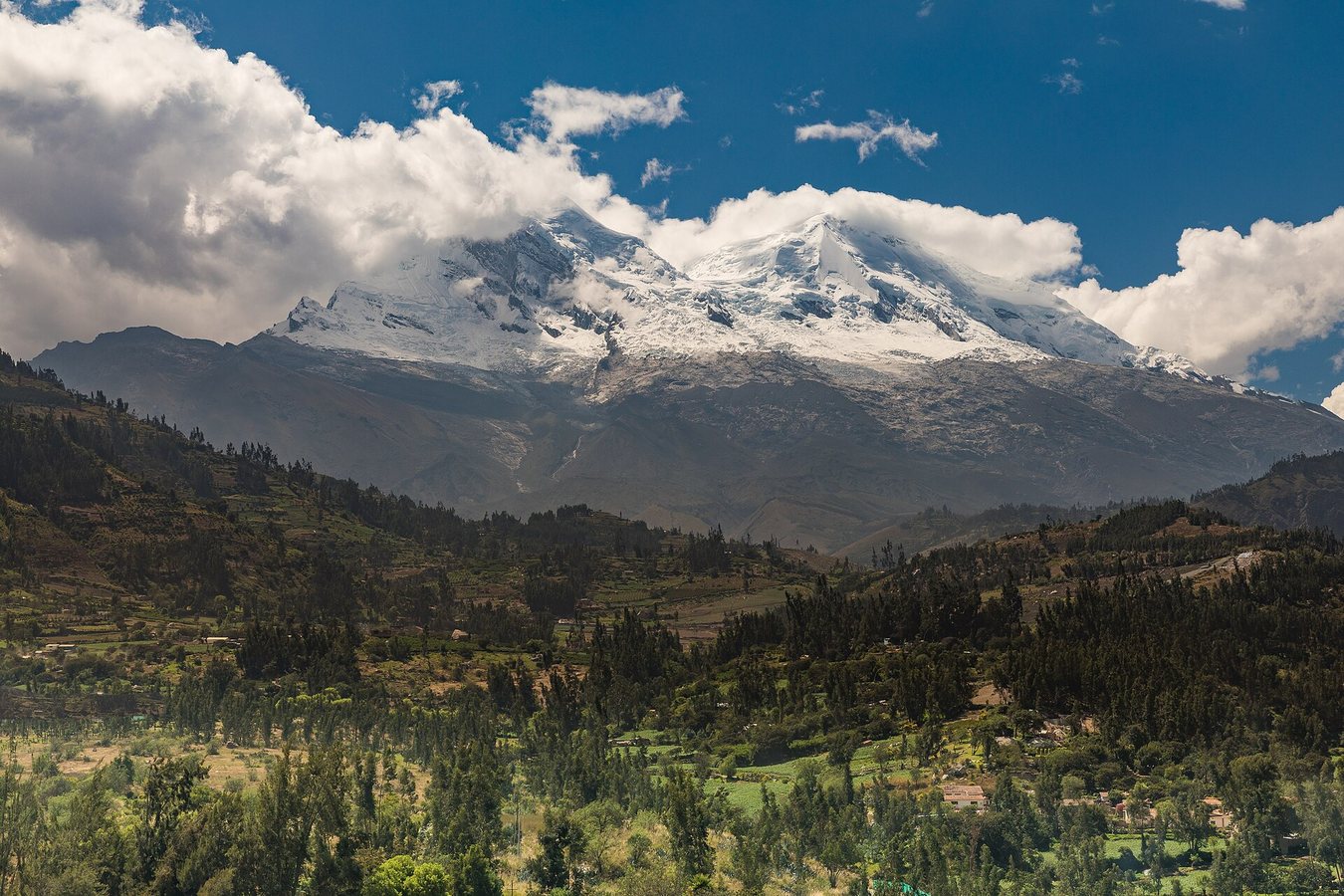
The core comes from the summit region of Huascarán, more than 6,700 metres above sea level. At that altitude, layers of snow and ice can preserve bubbles containing old air. By measuring methane concentrations and isotopic composition in those trapped samples, researchers can compare a tropical record with polar cores and ask whether changes reflect global atmospheric trends or shifts in regional sources.
The concentration history broadly agrees with major features seen in polar ice. Methane mixes through the atmosphere, so large global changes should appear in different regions. The added value comes from isotopes and location. Tropical wetlands are a major natural methane source, and tropical biomass burning and other processes also contribute. A low-latitude archive can help constrain how those sources varied before and during the industrial era.
Methane is a powerful greenhouse gas with a much shorter atmospheric lifetime than carbon dioxide. Its concentration rose dramatically after industrialization as agriculture, fossil-fuel extraction, waste and other human sources expanded. Understanding the natural background is important for separating human influence from climate-driven changes in wetlands and other ecosystems.
Tropical glacier records are difficult to obtain and preserve. Warm temperatures increase the risk of meltwater moving through layers and disturbing the original gas signal. Researchers therefore have to establish the chronology carefully and assess whether gases have diffused or been altered. Huascarán is especially valuable because its high elevation and long ice history provide one of the few opportunities for this kind of record outside the poles.
The core also has a finite future. Tropical glaciers are shrinking as the climate warms, and some archives may disappear before they are fully sampled. Ice-core drilling can therefore function as both climate research and scientific preservation, storing material for analyses that may become possible with future techniques.
By adding a tropical methane history to a field dominated by Greenland and Antarctica, the Huascarán record makes the global picture less dependent on two regions. It can refine estimates of past source changes and improve tests of atmospheric models. The mountain has preserved centuries of air in its ice; the scientific task now is to use that archive before the glacier itself loses more of the record.
96