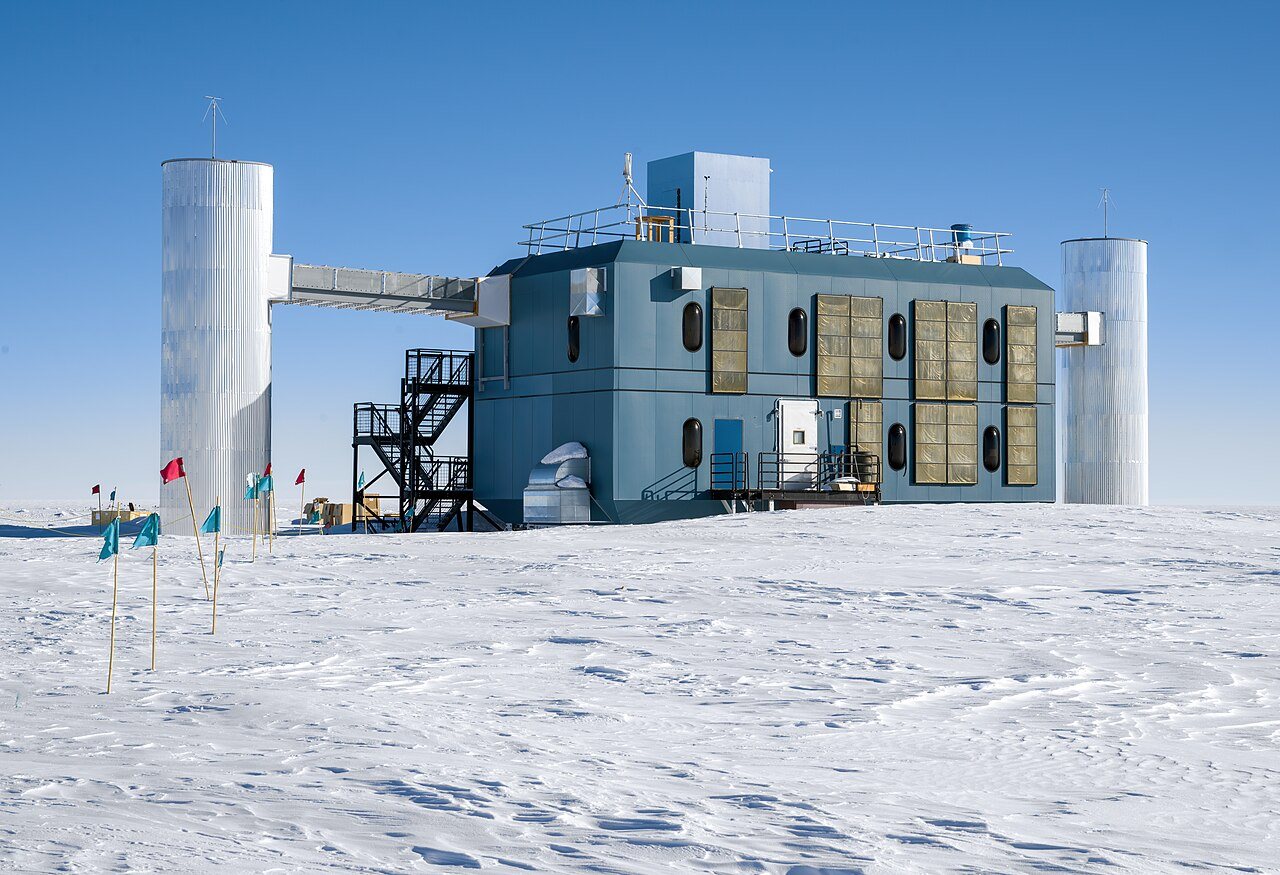
The Nobel Prize in Physics awarded to the IceCube Neutrino Observatory has become a rallying point for scientists who argue that high-risk, high-reward astroparticle physics projects deserve sustained financial backing. The experiment, which detected cosmic neutrinos from beyond the solar system, was initially a gamble that many considered unlikely to succeed. Its recognition with a Nobel Prize demonstrates that such bets can pay off, and researchers are now urging funders to keep supporting similarly ambitious endeavors.
IceCube, buried deep in the Antarctic ice at the South Pole, was designed to catch neutrinos — nearly massless particles that rarely interact with matter. Building it required drilling thousands of sensors into a cubic kilometer of ice, a logistical and financial challenge that took years to complete. At the time, critics questioned whether the investment would yield meaningful results. The Nobel Prize, awarded in 2026, validates the vision of the scientists who pushed for the project and the agencies that financed it.
The recognition comes at a critical moment for astroparticle physics, a field that sits at the intersection of astronomy, particle physics, and cosmology. Researchers warn that without continued support for large-scale, long-term experiments, the momentum generated by IceCube's success could stall. They point out that the next generation of neutrino telescopes, cosmic-ray observatories, and dark-matter detectors will require similar levels of risk-taking and patience from funding bodies.
Scientists involved in the field emphasize that the IceCube story is not just about one experiment. It is a case study in how transformative science often emerges from projects that appear speculative at the outset. The neutrino detections have opened new windows on violent cosmic events such as supernovae and active galactic nuclei, providing insights that no other instrument could deliver. Without the willingness to fund such endeavors, those discoveries would have remained out of reach.
The call to protect astroparticle physics projects echoes broader debates about how science is financed. Funding agencies often favor incremental research with predictable outcomes, while bold proposals can struggle to secure long-term support. IceCube's Nobel Prize is being cited as evidence that the calculus should shift, especially as global competition in neutrino astronomy intensifies. Other countries are investing in similar facilities, and researchers argue that sustained commitment is necessary to maintain leadership in the field.
For now, the prize serves as both a celebration and a warning. It honors the scientists who built IceCube and the funders who took a chance on it, but it also raises the question of whether the next IceCube will ever get off the drawing board. The answer, researchers say, depends on whether the scientific community and its patrons remain willing to embrace risk in the pursuit of discovery.
7