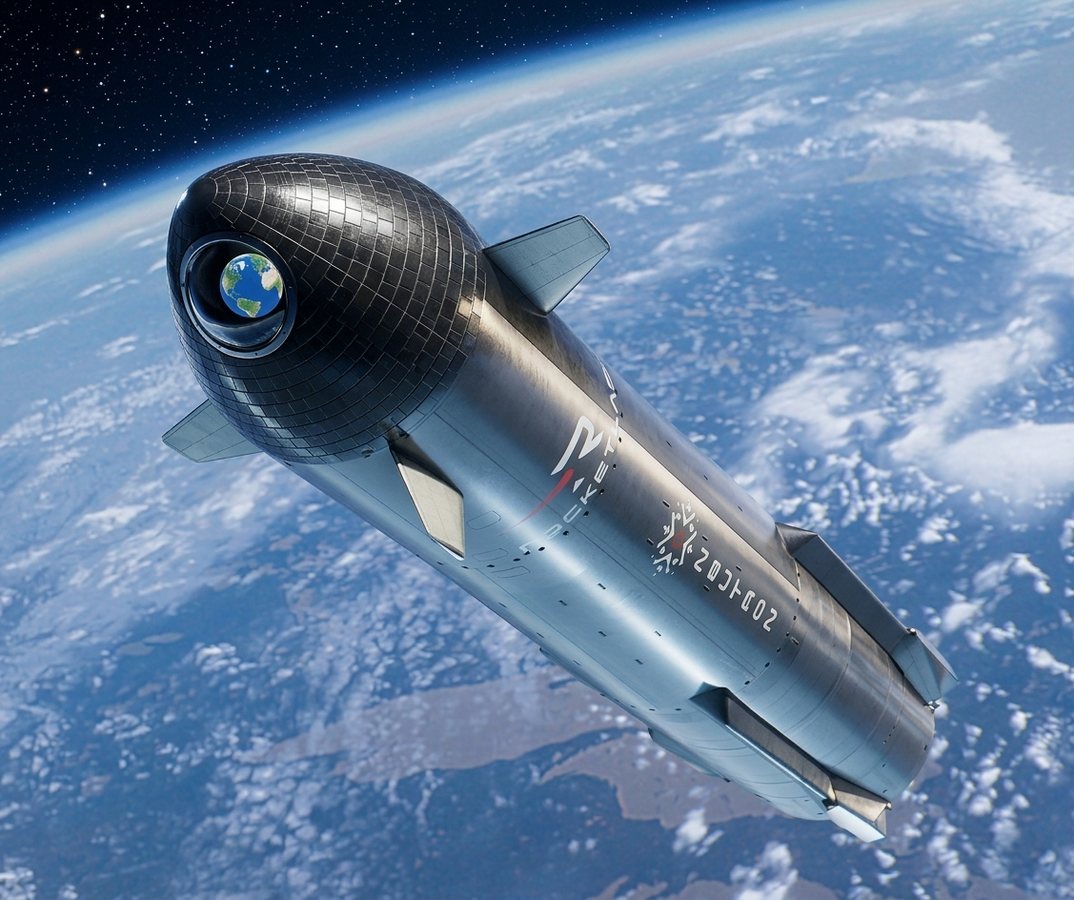
Rocket Lab has delayed the maiden flight of its Neutron rocket to 2027 after uncovering manufacturing defects in carbon fiber tank domes, the company confirmed, pushing back a vehicle intended to challenge SpaceX and other providers in the medium-lift launch market.
The problem centers on the composite structures that form the domes of Neutron's propellant tanks. Carbon fiber composites are prized in aerospace for their strength-to-weight ratio, but they are notoriously sensitive to flaws introduced during layup, curing, or machining. Defects in those domes can compromise the tank's ability to withstand the extreme pressures and cryogenic temperatures of launch, making them a critical safety and performance item.
Rocket Lab has not disclosed the precise nature or extent of the defects, nor how many units were affected. The company has said the issue was identified during manufacturing and testing, and that resolving it requires additional time before the rocket can be cleared for flight. The first launch is now targeted for 2027, a slip from the previously anticipated schedule.
The delay is a significant moment for Rocket Lab, which built its reputation on the small-lift Electron rocket and has been positioning Neutron as its entry into the larger, more lucrative medium-lift segment. Neutron is designed to carry substantially heavier payloads and to serve markets including commercial satellite constellations, national security missions, and potentially crewed or cargo flights. A first flight in 2027 pushes those ambitions further out.
Medium-lift launch is a crowded and competitive field. SpaceX's Falcon 9 dominates much of the market, while United Launch Alliance, Blue Origin, and others are also vying for contracts. For Rocket Lab, demonstrating that Neutron can fly reliably and on schedule is essential to winning customers who need assured access to orbit. A manufacturing defect serious enough to force a multi-year slip raises questions about the maturity of the production process for the vehicle's composite structures.
Carbon fiber tank domes are among the more demanding components to produce at scale. The manufacturing process involves precisely placing fiber layers, curing them under controlled conditions, and then verifying the result through non-destructive testing. Even small voids, delamination, or inconsistencies can escape early inspection and only surface under pressure testing or later structural analysis. Aerospace manufacturers often must iterate on tooling and process controls before achieving the consistency required for flight hardware.
Rocket Lab has not said whether the delay will affect its broader production timeline, its contracted launch manifest, or its financial guidance. The company has previously emphasized vertical integration and in-house manufacturing as advantages that allow it to move quickly and control quality. The carbon fiber issue tests that model, requiring the company to diagnose and correct a problem in a core structural component before proceeding.
The setback also comes as the launch industry faces rising demand for medium-lift capacity, driven by satellite megaconstellations, defense priorities, and commercial space station plans. Any gap in available launch options can ripple through schedules for operators that depend on timely access to orbit. Rocket Lab's customers and partners will be watching closely for updates on the revised timeline and on the corrective steps the company takes.
For now, the company's focus is on resolving the manufacturing issue and requalifying the affected hardware. The path to Neutron's first flight now runs through 2027, with the rocket's debut contingent on demonstrating that the composite tanks and domes meet the standards required for launch.
12