Francis Halzen, who has been awarded the 2026 Nobel Prize in Physics, built much of his scientific career around a particle so hard to catch that physicists nickname it the ghost particle. Coverage of his work describes the decision to pursue it as a wager, one that required committing years to a detector buried in the ice of Antarctica.
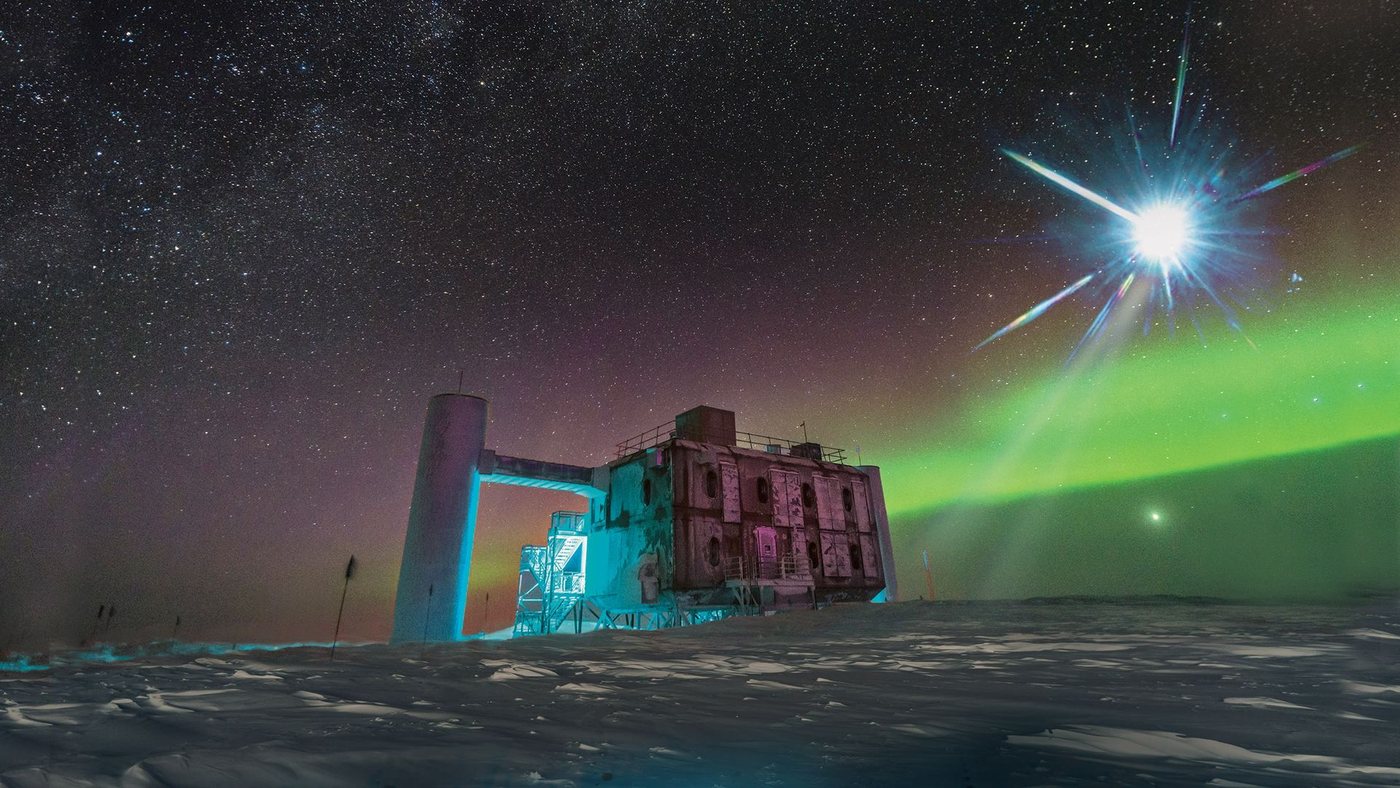
The particles at the center of his work are neutrinos. They are produced in enormous numbers by stars, nuclear reactions and cosmic events, yet they pass through ordinary matter almost without interacting with it, which is why they are so difficult to observe. Reports on Halzen's career point to a detector installed beneath the South Pole, widely referred to as IceCube, as the instrument that made his approach workable.
The reporting available for this story is limited. The full account of how the discovery was made, how the project was funded and how it unfolded over time could not be verified in detail, so the specifics of his path to the prize remain beyond what can be confirmed here. What is clear from the coverage is the central theme: a scientist willing to stake his career on a phenomenon that many of his peers considered speculative.
For a general reader, the story offers a lesson in how major advances in physics often begin with a bet on a signal that is barely there. Neutrinos carry information about some of the most energetic events in the universe, and capturing them opens a new window onto astronomy. Halzen's recognition with the Nobel Prize underlines how such long-term gambles can eventually reshape a field.
Credit. Based on reporting by Ben Turner for Live Science. Is this your work? Write to us.
15