Theorists applying quantum information theory to neutrino physics have concluded that the next generation of flavour measurements faces built-in limits, and that the experiments now being planned may not be optimized to answer one of the field's most important questions: why the universe contains more matter than antimatter. The analysis, reported by Physics World, treats neutrino experiments as information-processing systems and asks how much a measurement can actually reveal about the particles' flavour behaviour.
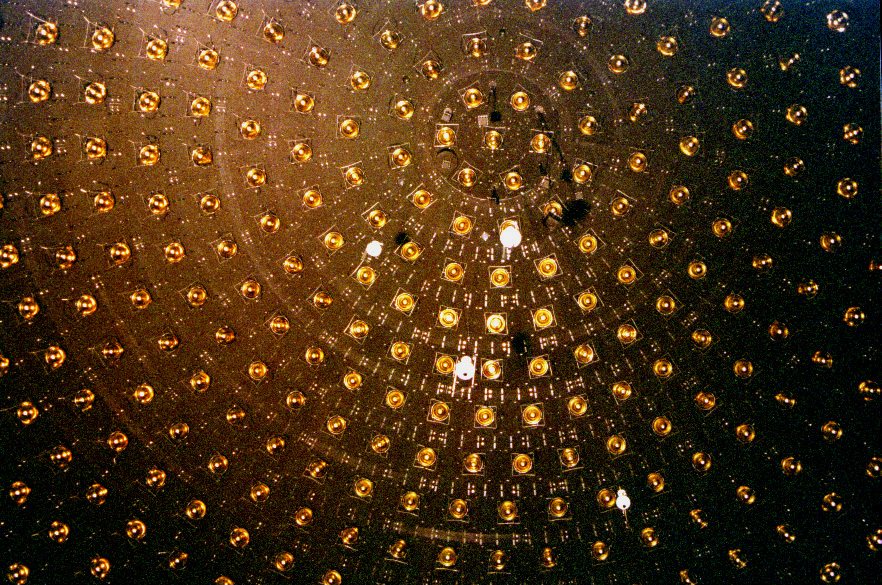
The two projects at the centre of the argument are DUNE, the Deep Underground Neutrino Experiment, and Hyper-Kamiokande, both large facilities designed to study neutrinos in greater detail than earlier instruments. Both are still in planning or construction, and both are expected to play a major role in the coming decade of particle physics. The concern raised by the theorists is not that these machines will fail to collect data, but that the measurements they are set up to make may not be the ones most likely to expose differences between neutrinos and their antimatter counterparts.
Matter-antimatter asymmetry remains the central open question in this area. Neutrino oscillation, the process by which neutrinos change between flavours as they travel, is one of the few places where physicists might find the kind of subtle difference between matter and antimatter needed to help explain the present cosmic imbalance. If the experiments are not optimized for that purpose, the theorists suggest, researchers could gather large volumes of data without gaining a decisive answer.
The available account is a brief preview of the research, and the full analysis, including detailed quantitative results, is not yet available to report. What is clear is the broader message: quantum information methods offer a way to judge in advance what an experiment can and cannot tell scientists, and that assessment may shape how the next neutrino projects are designed and prioritised.
Credit. Based on reporting for Physics World. Is this your work? Write to us.
9