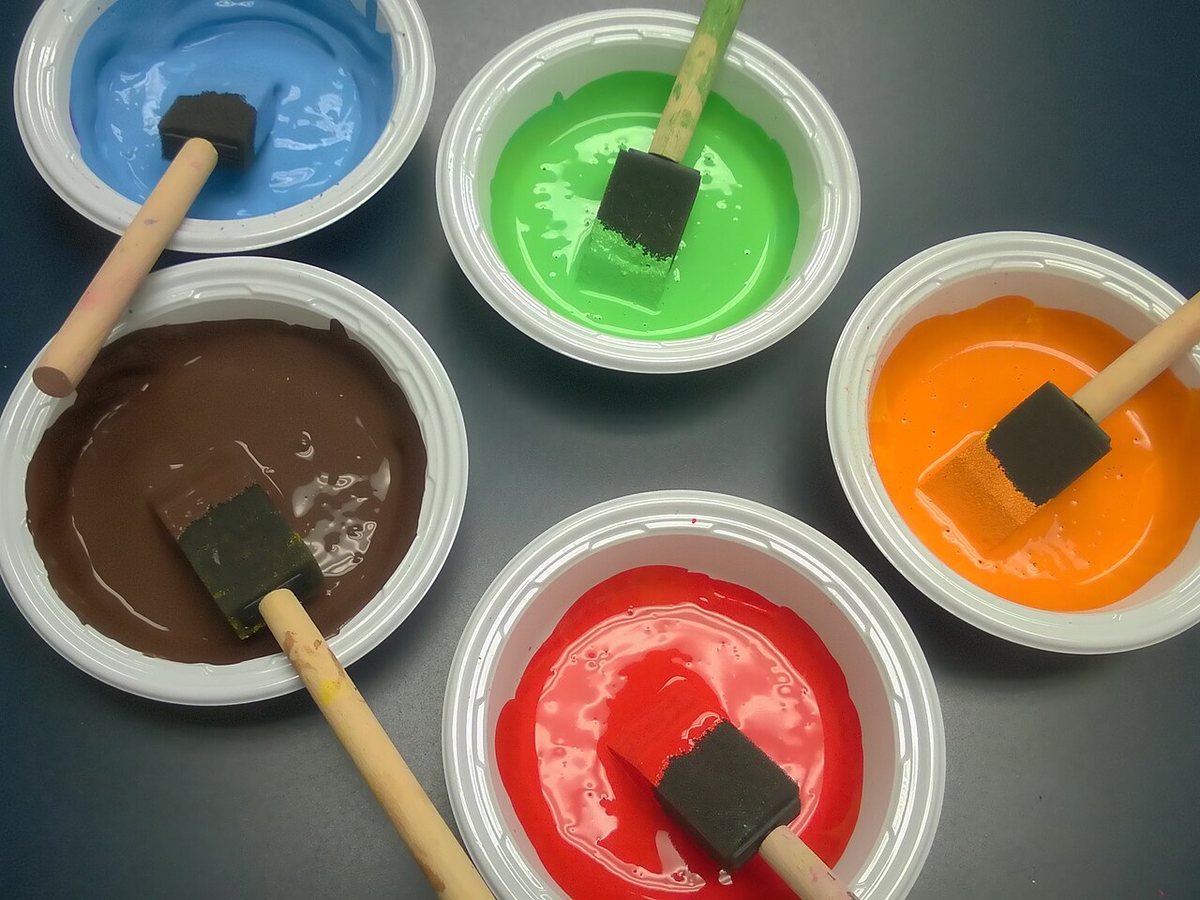
Color without pigment may sound like a contradiction, yet a new coating shows it can be done. Researchers have developed a finish that mimics the glossy look of automotive paint while containing no colorants at all. Instead, the hue comes from the way light interacts with tiny structures engineered into the surface.
The approach draws on structural coloration, the same principle behind the shimmer of some butterfly wings and beetle shells. In those natural examples, color arises from the physical arrangement of microscopic features rather than from dyes. The team applied this idea using microscopic silicon spheres, which scatter light in controlled ways to produce the desired color.
Because the color depends on structure rather than chemistry, the researchers report that it does not fade over time, a long-standing weakness of conventional pigments exposed to sunlight and weathering. The appearance also stays consistent when the surface is viewed from different angles, a challenge for many pigment-based and effect finishes.
The team also points to an unusual implication for weight. According to the reporting, a color layer of this kind could theoretically weigh less than a milk carton when applied across a full passenger airliner. That figure is a theoretical estimate, and the source does not describe a practical demonstration of the coating on an aircraft.
Several questions remain open. The reporting does not say when the coating might become commercially available or what it would cost to produce at scale. Until those details and practical tests are published, the work stands as a promising laboratory result rather than a ready product. The findings, reported by ScienceDaily, offer a new route for coatings that could one day combine durability with lighter weight.
Credit. Based on reporting for ScienceDaily. Is this your work? Write to us.
22