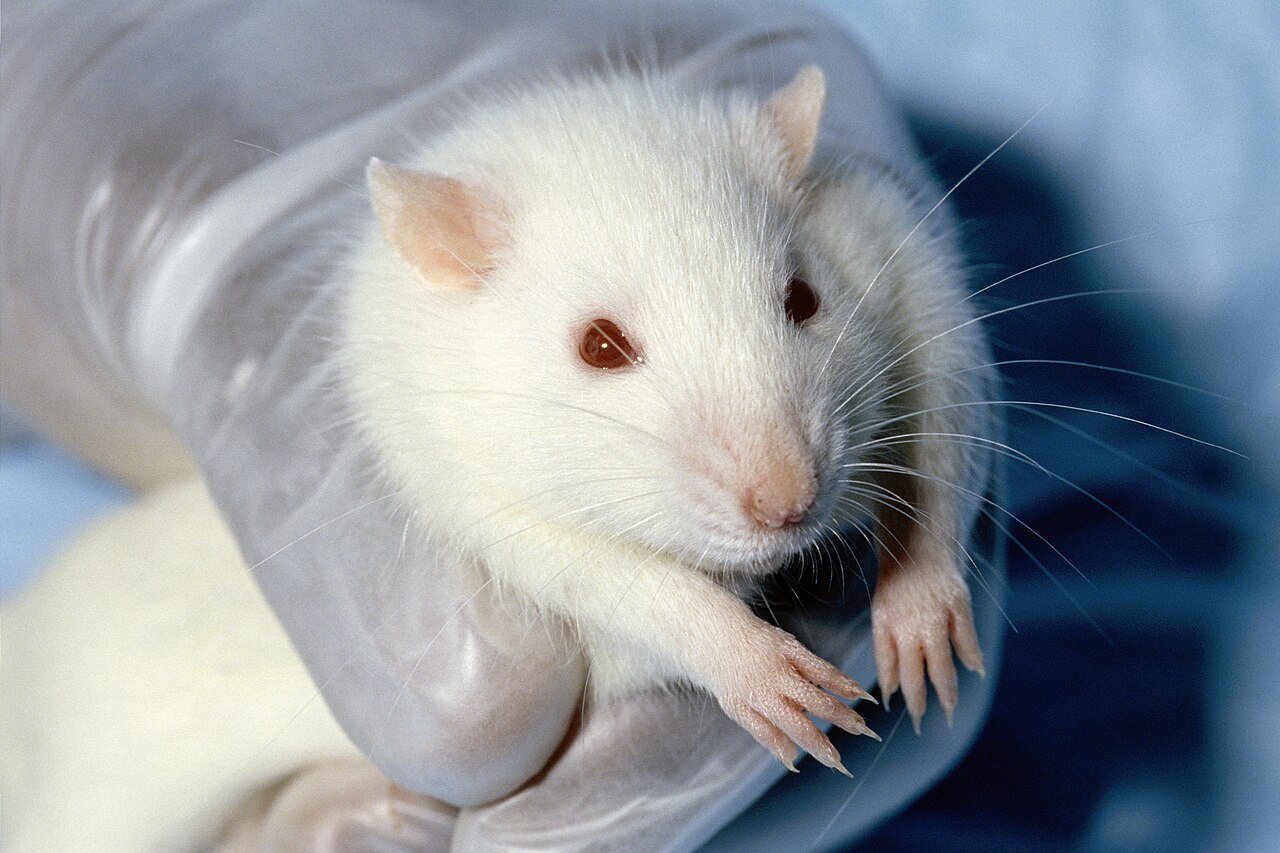
Governments in the United States, the United Kingdom, and the European Union have each released road maps in the past year aimed at phasing out animal testing, a goal that until recently seemed politically unthinkable. The shift reflects real advances in technological alternatives, some of which are more revealing than the animal experiments they replace. But scientists are now warning that the policy language overstates what is achievable, and that the consequences of that overstatement could be severe.
The concern is not with the push to reduce animal testing where safe and possible, which researchers broadly welcome. It is with the suggestion that animal testing can be ended entirely. According to the scientific case being restated, certain kinds of animal research will always be needed — both to answer fundamental biological questions and to ensure drug safety. Prematurely abandoning those tests, for which no reliable alternatives exist, would put human health and safety at risk.
The historical precedent is stark. In the late 20th and early 21st centuries, extreme animal rights activists violently harassed and intimidated scientists. Researchers had their property set on fire. Molotov cocktails were used. National newspapers reported on calls to murder people who carried out animal experiments. Scientists who continue this work today say that if governments send the message that animal testing can be phased out, they risk painting those researchers as wilfully causing harm to animals — a misunderstanding that could take the field back to those dark and violent times.
The problem, critics argue, is visible not only in news headlines but in the titles of policy documents themselves. Some speak of «phasing out» animal testing when the truth is that it cannot and will not be ended entirely. The coming of age of technological alternatives is to be celebrated, and a few of these alternatives are actually more revealing than the animal experiments they replace. But the gap between what is possible and what is promised is where the danger lies.
What is needed, according to this view, is a clear-eyed position. The push to reduce animal testing where safe and possible is truly welcome. But the end of animal testing as a whole remains impossible. Nations that overstate what is possible risk reigniting a heated and painful row — and, worse, abandoning the kinds of animal tests for which there are no reliable alternatives. The scientific community is now restating the case for why certain animal research remains essential, even as it pursues every available reduction.