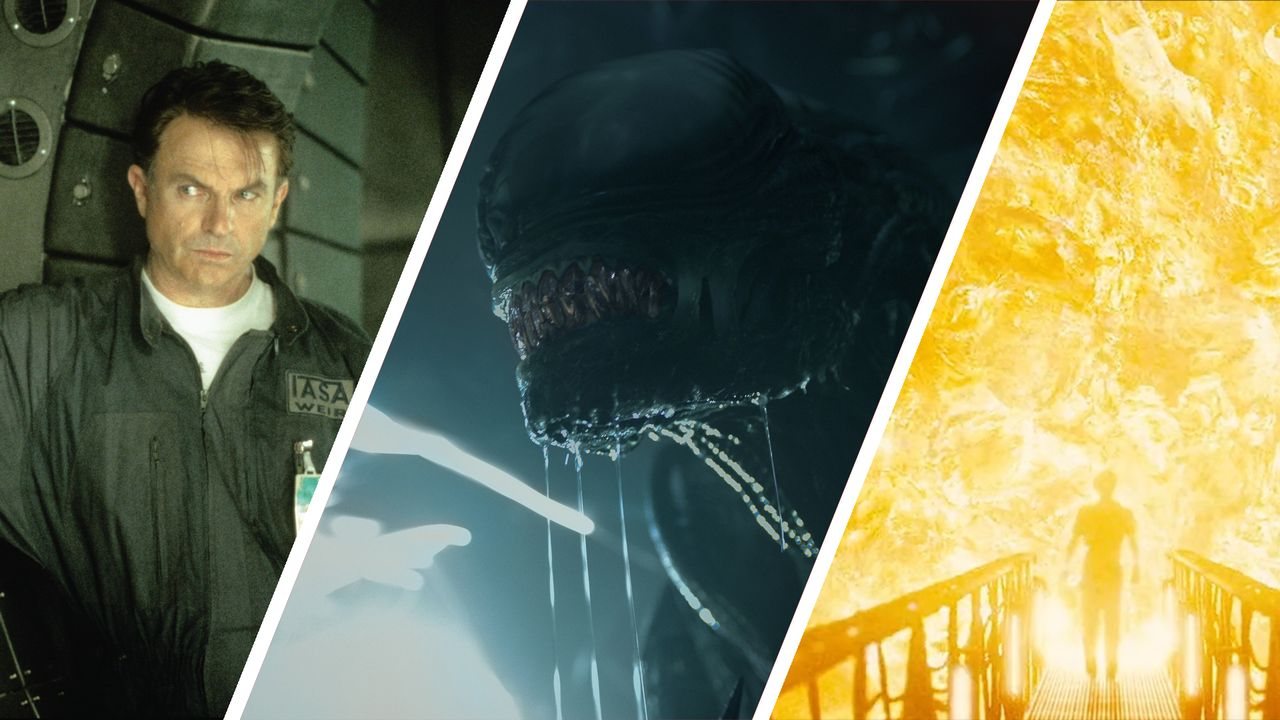
Space horror movies, a subgenre that once delivered some of cinema's most terrifying and critically acclaimed films, have become increasingly rare in Hollywood. From the claustrophobic terror of Ridley Scott's 1979 classicAliento the psychological dread of Paul W.S. Anderson's 1997 filmEvent Horizon, these movies combined the vast unknown of outer space with primal human fears. Yet in the past decade, only a handful of major studio space horror films have been released, leaving fans and critics asking what happened to this once-thriving genre.
Industry observers point to several structural reasons behind the decline. The production costs for a convincing space environment — whether through practical sets, visual effects, or a combination of both — are high. Unlike a terrestrial horror film that can be shot in a single house or forest, a space horror movie often requires expensive spaceship interiors, zero-gravity effects, and detailed extraterrestrial landscapes. Studios have become increasingly risk-averse, preferring to allocate large budgets to established franchises with guaranteed returns, such as superhero films or animated features, rather than original genre experiments.
Changing audience preferences have also played a role. The past two decades have seen a shift toward faster-paced, action-oriented blockbusters, while the slow-burn tension that defined classic space horror — long sequences of silence, creeping dread, and minimal monster reveals — can feel outdated to modern viewers accustomed to rapid editing. Streaming platforms have partially filled the gap with lower-budget independent productions, but these rarely achieve the cultural footprint of a theatrical release. Titles such asLife(2017) andAlien: Covenant(2017) attempted to revive the formula but received mixed reviews and modest box office returns, further discouraging studios from investing.
The convergence of science fiction and horror has also become more diffuse. Elements of space horror now appear embedded in other genres — for example, the body horror ofAnnihilation(2018) or the existential terror ofUnder the Skin(2013) — blurring the lines and making it harder to market a film purely as a space horror movie. Meanwhile, video games have taken up much of the narrative space, with titles such asDead SpaceandAlien: Isolationdelivering immersive space horror experiences that films have struggled to match.
Despite the challenges, some signs suggest the genre may not be dead. The success of smaller-scale projects on streaming services, combined with a nostalgic appetite for 1980s and 1990s aesthetics in film, could create opportunities for a revival. Directors such as Alex Garland and filmmakers working under the A24 banner have demonstrated that genre-bending horror can still attract audiences. Furthermore, the recent announcement of several independent space horror films in development indicates that interest remains among creators, even if the major studios remain cautious.
The future of space horror likely depends on whether a new film can capture the same cultural lightning in a bottle thatAliendid in 1979. That will require not just a strong script and direction, but also a studio willing to take a risk on a genre that has fallen out of fashion. For now, space horror remains a beloved niche — waiting, perhaps, for its next great scream in the void.